
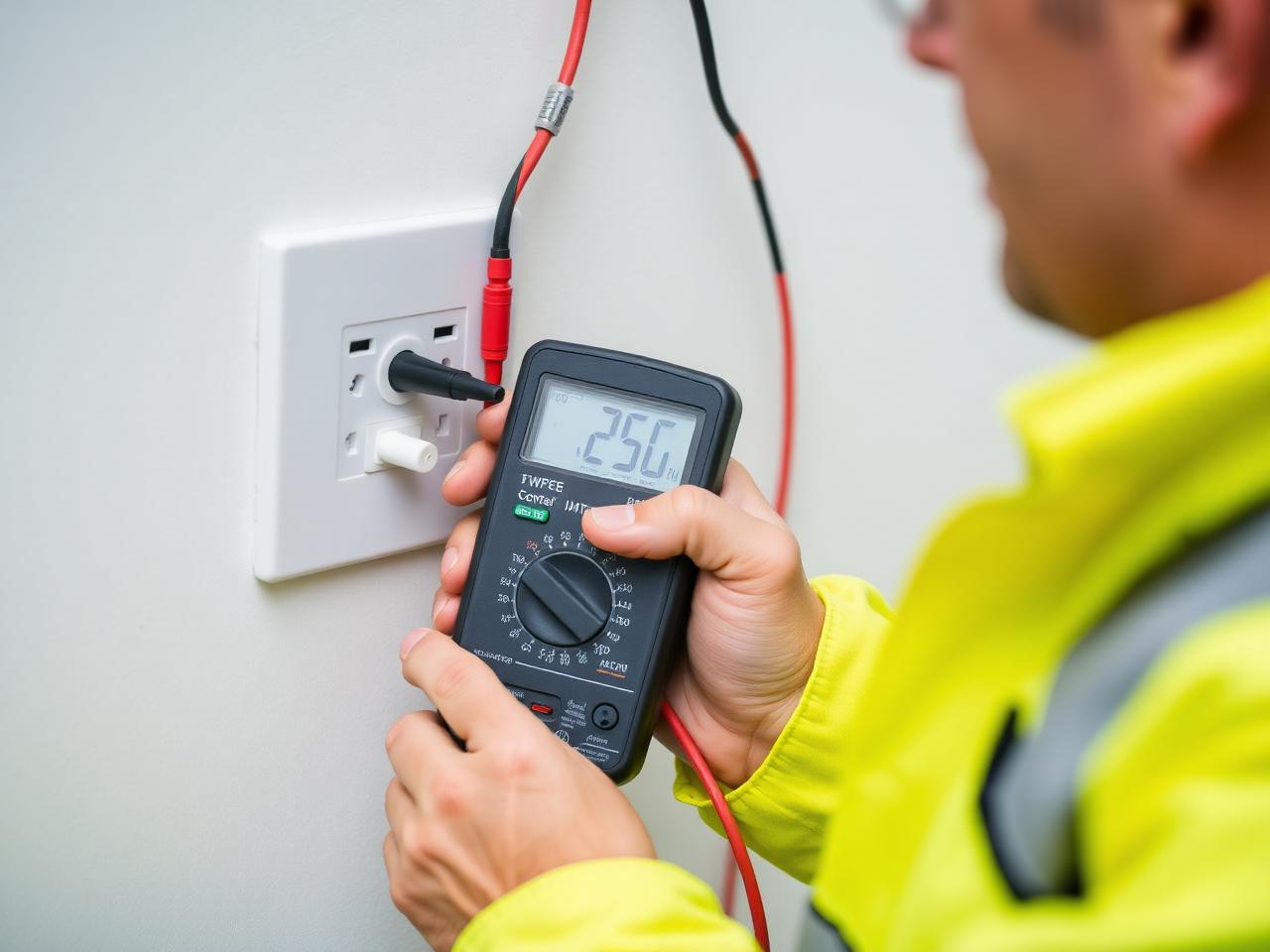
What Does Resetting a Circuit Breaker Actually Involve?
Knowing how to reset a circuit breaker after a power outage is a straightforward skill every Victorian homeowner should have. In most cases, you locate your switchboard, identify the tripped breaker — it sits in the middle or “off” position — switch it fully off, then firmly switch it back on. This restores power to the affected circuit within seconds.
That said, there are situations where resetting a breaker is not the right move. Understanding the difference could protect your home and your family.
Why Circuit Breakers Trip During a Power Outage
Victoria’s weather is notoriously unpredictable. Summer storms, bushfire-related grid stress, and sudden temperature swings can all cause fluctuations in your electricity supply. When power is restored after an outage, a surge of current can trip one or more circuit breakers in your switchboard.
Circuit breakers are designed to do exactly this — they interrupt the circuit to prevent overheating, electrical fires, and damage to your appliances. A tripped breaker is a safety mechanism working as intended, not necessarily a sign of a serious fault.
Common reasons a breaker trips during or after an outage include:
- A voltage surge when grid power is restored
- Multiple appliances restarting simultaneously and overloading the circuit
- A pre-existing fault that the outage has exposed
- A damaged appliance drawing excessive current
- Moisture ingress into the switchboard during a storm
How to Reset a Circuit Breaker After a Power Outage: Step-by-Step
Before you touch your switchboard, make sure your hands are dry and you’re standing on a dry surface. While resetting a breaker is a task most homeowners can safely perform, basic precautions matter.
- Locate your switchboard. In most Victorian homes, the switchboard (also called the meter box or fuse box) is mounted on an exterior wall, in the garage, or in a hallway cupboard.
- Identify the tripped breaker. A tripped breaker will be in the centre or “off” position, visually out of line with the others. Some models have a small orange or red indicator window.
- Unplug high-draw appliances. Before resetting, turn off or unplug appliances like air conditioners, electric ovens, and washing machines. This reduces the load when power returns and prevents an immediate re-trip.
- Switch the breaker fully to “off”. Push the tripped breaker firmly to the off position first. This resets the internal mechanism.
- Switch it back to “on”. Push the breaker firmly to the on position. You should feel a solid click.
- Test your power. Check lights and power points in the affected area. If power is restored, gradually reconnect your appliances one at a time.
- Monitor for re-tripping. If the breaker trips again immediately or within a short time, stop and investigate further — do not keep resetting it.
If you have an older Victorian home with a ceramic fuse box rather than modern circuit breakers, the process is different. Replacing a blown fuse wire requires specific knowledge and materials — if you’re unsure, call a licensed electrician.
Residual Current Devices (RCDs) — Don’t Confuse Them With Breakers
Your switchboard may also contain Residual Current Devices, commonly called RCDs or safety switches. These look similar to circuit breakers but have a small “Test” button on the front. Under Australian Standard AS/NZS 3000 (the Wiring Rules), RCDs are mandatory in new and significantly renovated Victorian homes to protect against electrocution.
An RCD trips when it detects a leakage of current to earth — often caused by a faulty appliance or water contact. You reset an RCD the same way as a breaker: off first, then on. However, if your RCD trips repeatedly, it’s detecting a genuine earth leakage fault that needs professional attention. You can learn more about switchboard repairs and safety switch issues to understand what’s involved.
What to Check Before and After Resetting
A quick visual inspection of your switchboard before resetting can save you a lot of trouble. Look for signs of scorching, melted plastic, or a burning smell — these are red flags that mean you should not attempt a reset yourself.
After restoring power, check that your appliances are functioning correctly. Pay particular attention to refrigerators and freezers, which may have been off for an extended period. Also inspect any outdoor power points or garden lighting, as moisture from a storm can cause ongoing issues.
If you live in areas prone to storm activity — such as the Bellarine Peninsula or outer Geelong suburbs — it’s worth having your switchboard inspected periodically. Residents across the region can contact an electrician in Lara or nearby areas for a professional switchboard health check.
When to Call a Professional
There are clear situations where attempting to reset a circuit breaker yourself is not appropriate. If your breaker trips immediately every time you reset it, if you notice burning smells or visible damage inside the switchboard, or if multiple circuits have failed at once, these are signs of a deeper electrical fault.
Similarly, if you’re unsure which breaker has tripped, or your switchboard is old and unfamiliar, it’s always safer to call a licensed electrician. In Victoria, all electrical work beyond basic tasks must be performed by a licensed professional under the Electricity Safety Act 1998.
SmartPower Electrical services homes across Victoria, including the Geelong region and surrounding suburbs. If you’re dealing with a persistent tripping breaker or need a full switchboard assessment, the team at SmartPower Electrical on the Bellarine is ready to help. Don’t ignore repeated faults — contact a licensed electrician promptly.
Conclusion
Understanding how to reset a circuit breaker after a power outage gives you the confidence to restore power safely and quickly in most everyday situations. The key steps are: identify the tripped breaker, switch it fully off, reduce your appliance load, then switch it back on firmly.
However, repeated tripping, visible damage, or unfamiliar switchboard configurations are all reasons to step back and call a professional. SmartPower Electrical is here to ensure your home’s electrical system is safe, compliant, and reliable all year round. Get in touch today for expert advice or a switchboard inspection.
Frequently Asked Questions
Is it safe to reset a circuit breaker yourself in Victoria?
Yes, in most cases it is safe for a homeowner to reset a tripped circuit breaker, provided your hands and the surrounding area are dry and there are no visible signs of damage or burning. However, if the breaker trips repeatedly or you notice any scorching or unusual smells, stop and call a licensed electrician immediately.
Why does my circuit breaker keep tripping after a power outage?
If your breaker keeps tripping after you reset it, it’s likely detecting an ongoing fault — such as an overloaded circuit, a faulty appliance, or an earth leakage issue. Try unplugging all appliances on that circuit before resetting. If it still trips with nothing connected, there may be a wiring fault that requires a licensed electrician to diagnose.
What’s the difference between a circuit breaker and a safety switch (RCD)?
A circuit breaker protects your wiring from overload and short circuits, while a safety switch (RCD) protects people from electrocution by detecting earth leakage current. Both can be found in your switchboard and both can trip after a power outage. They reset the same way, but repeated RCD tripping always warrants professional investigation.
How often should a Victorian home’s switchboard be inspected?
There is no fixed legal requirement for routine switchboard inspections in existing homes, but industry best practice suggests having your switchboard checked every five to ten years, or after any significant electrical event such as a major storm, flood, or repeated tripping. Older homes with ceramic fuse boxes should be assessed sooner, as they may not meet current Australian Standards. For more about what we do, visit our homepage.