
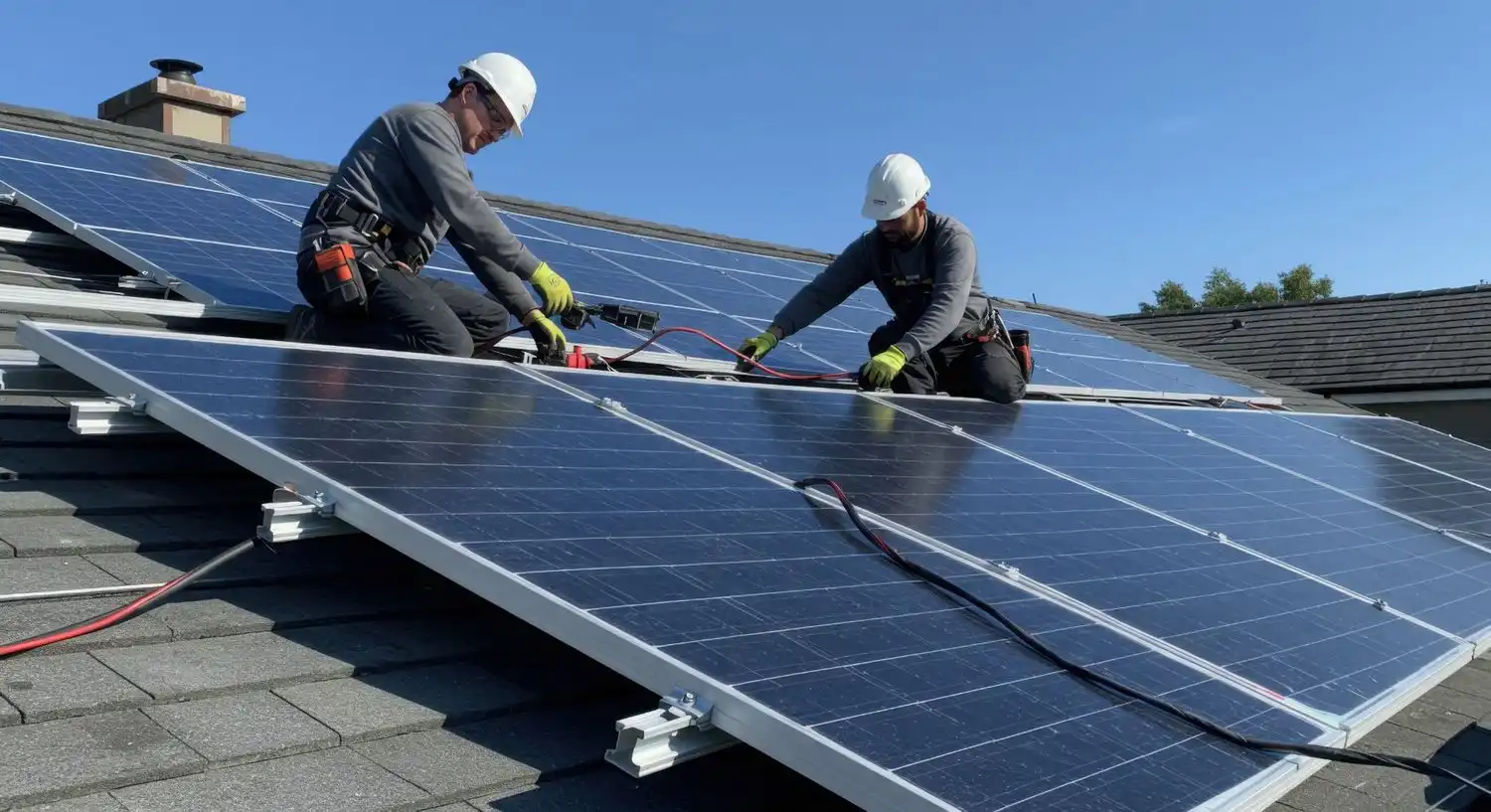
How to Tell If Your Solar Panels Are Working Properly at a Glance
Knowing how to tell if your solar panels are working properly comes down to a few key checks: monitor your inverter display for fault codes, compare your daily energy generation against your system’s expected output, review your electricity bills for rising grid usage, and visually inspect panels for dirt, shading, or physical damage. If something looks off, it usually is.
Solar panels are a significant investment for Geelong homeowners, and with electricity prices continuing to climb in Victoria, you want every kilowatt your system can produce. The good news is that most performance issues are easy to spot once you know what to look for — and many don’t require a tradesperson to identify.
Start With Your Inverter — It’s the Brain of Your System
Your inverter is the first place to check when something seems wrong with your solar system. Most modern inverters have a display panel or indicator lights that tell you whether the system is operating normally. A steady green light generally means all is well, while a red or flashing amber light signals a fault.
Common inverter error codes relate to grid voltage issues, isolation faults, or communication errors. Check your inverter’s manual or the manufacturer’s app to decode any error messages. Many brands — including SolarEdge, Fronius, and Enphase — offer smartphone apps that give you real-time generation data, which makes monitoring far simpler.
Check Your Energy Monitoring App or Meter
If your system came with a monitoring platform, use it daily — or at least weekly. Compare your actual generation figures against what your installer projected for your system size and Geelong’s solar irradiance levels. A 6.6 kW system in Geelong should typically generate somewhere between 24 and 28 kWh on a clear summer day.
You can also check your smart meter data through your energy retailer’s portal. If your solar export figures have dropped noticeably without a change in the weather or your household usage, that’s a strong indicator something isn’t right. Seasonal variation is normal — you’ll always generate less in winter — but a sudden unexplained drop mid-season warrants investigation.
Review Your Electricity Bills
One of the simplest ways to gauge solar performance is to compare your electricity bills quarter over quarter. If your bills are creeping up despite similar household habits and no major rate increases, your system may not be generating what it should. Look specifically at:
- Your grid import figures (how much power you’re buying from the grid)
- Your solar feed-in credits (how much excess power you’re selling back)
- Your overall bill total compared to the same period in previous years
A well-performing system should show consistent feed-in credits during sunny months. If those credits have shrunk significantly without explanation, it’s worth digging deeper.
Visually Inspect Your Solar Panels
A physical inspection of your panels can reveal a surprising amount. From the ground or a safe vantage point, look for the following issues:
- Dirt and grime build-up — Geelong’s coastal and semi-rural areas mean panels can accumulate salt, dust, bird droppings, and pollen. Even a thin layer of grime can reduce output by 10–25%.
- Shading from new growth — Trees that weren’t an issue when your system was installed may now be casting shadows during peak generation hours.
- Micro-cracks or discolouration — Yellowing, browning, or visible cracks in the glass or cells indicate physical degradation.
- Loose or damaged wiring — Visible wiring that appears frayed, disconnected, or chewed by pests (a real issue in some Geelong suburbs) can cause significant power loss or safety hazards.
If your panels are accessible and safe to reach, a gentle clean with water and a soft brush on a cool morning can make a noticeable difference to output. Never use abrasive materials or high-pressure washers, as these can damage the panel surface.
Understanding Normal Degradation vs. a Real Problem
Solar panels naturally lose a small amount of efficiency over time — typically around 0.5% per year, which is entirely normal. A system that’s five years old might produce around 2–3% less than it did when new. This gradual decline is built into manufacturer warranties and shouldn’t alarm you.
What you’re looking for is a sudden or significant drop in output — say, 20% or more — that can’t be explained by weather, shading, or seasonal change. That kind of drop usually points to a faulty panel, a failing inverter, or a wiring issue that needs professional attention. If you’re in the Lara or Bellarine Peninsula area, local electricians familiar with coastal conditions can be particularly helpful — an electrician in Lara or an electrician on the Bellarine will understand the specific environmental factors affecting your system.
When to Call a Professional
Some solar issues are genuinely DIY-friendly — cleaning your panels, checking your inverter display, or reviewing your monitoring app. But others require a licensed electrician or Clean Energy Council-accredited solar technician. Call a professional if you notice any of the following:
- Persistent inverter fault codes that don’t resolve after a reset
- Visible damage to wiring, panels, or mounting hardware
- Your system has completely stopped generating power
- You suspect an isolation fault or earth leakage issue
- Your switchboard or meter is showing unusual behaviour
Electrical faults in solar systems can be serious safety hazards — they’re not something to leave unattended. The team at SmartPower Electrical services Geelong and surrounding areas including Newtown, Hamlyn Heights, and Herne Hill. If you’re concerned about your system’s performance, you can also explore our switchboard repair and inspection services, which are often relevant when solar systems show signs of electrical faults. Don’t wait until a small issue becomes a costly repair — get in touch with SmartPower Electrical for an honest assessment.
Conclusion
Learning how to tell if your solar panels are working properly doesn’t have to be complicated. Start with your inverter, check your monitoring data, review your bills, and give your panels a visual once-over every few months. These simple habits can help you catch problems early, protect your investment, and keep your energy savings on track throughout 2026 and beyond.
Geelong’s variable climate — from scorching summer days to blustery winter mornings — means your system works hard all year round. Regular checks ensure it’s always working hard for you. If you ever spot something that doesn’t look right, don’t hesitate to reach out to a qualified local professional. Visit SmartPower Electrical to learn more about how we can help keep your solar system performing at its best.
Frequently Asked Questions
How often should I check if my solar panels are working properly?
A quick check of your inverter display or monitoring app once a week is ideal. A more thorough review of your electricity bills and generation data should happen each quarter. A physical inspection of the panels — including cleaning if needed — is recommended at least once or twice a year, ideally before summer and after winter.
Why is my solar system generating less power in winter in Geelong?
Reduced winter output is completely normal. Geelong receives significantly fewer daylight hours and lower sun angles between May and August, which means your system will generate less energy during these months. Expect your system to produce roughly 40–60% of its summer output in the depths of winter. If the drop seems more severe than that, it’s worth investigating further.
Can dirty solar panels really make a big difference to output?
Yes — studies have shown that soiled panels can lose anywhere from 10% to 25% of their generating capacity depending on the level of contamination. In Geelong, bird droppings, coastal salt deposits, and seasonal pollen are common culprits. A careful clean with water and a soft cloth on a cool morning can restore lost output surprisingly quickly.
Is it safe to reset my inverter myself if it shows a fault code?
For minor, transient faults — such as a grid voltage fluctuation — a simple inverter reset (switching it off and back on at the isolator) is generally safe and often resolves the issue. However, if the fault code returns repeatedly, or if it indicates an isolation or earth fault, do not continue resetting the system. Contact a licensed electrician, as these faults can pose a genuine safety risk.