
The Short Answer: Is Home Battery Storage Worth It in Victoria?
Is home battery storage worth it for Victorian homeowners in 2026? For most households with an existing solar system, yes — but only when the numbers stack up. A home battery lets you store excess solar energy and use it at night, reducing your reliance on the grid and cutting electricity bills significantly over time.
That said, it’s not a one-size-fits-all decision. Your energy usage patterns, roof orientation, current tariff structure, and available incentives all play a role. This guide breaks it all down honestly so you can make the right call for your home.
How Home Battery Storage Actually Works
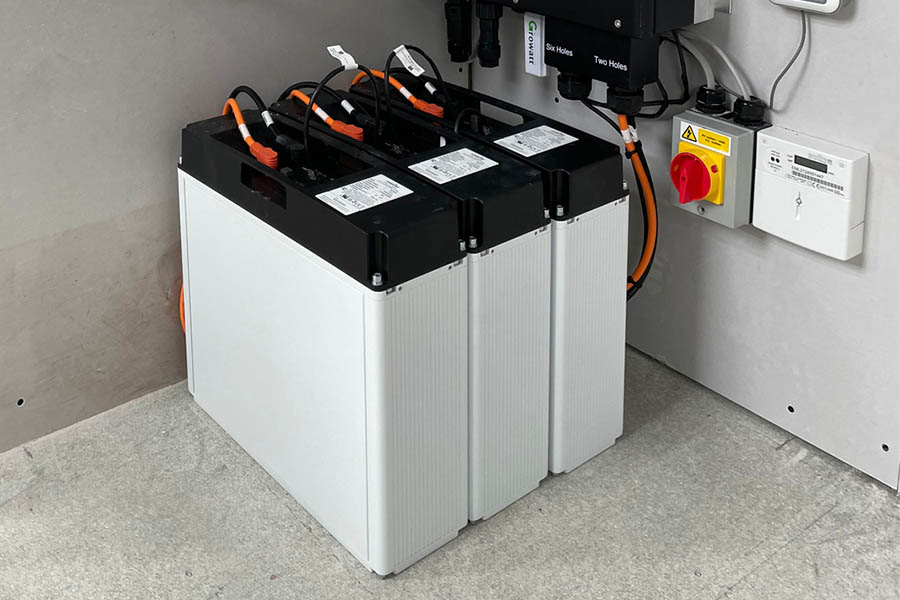
A home battery system — typically a lithium-ion battery like the Tesla Powerwall or BYD Battery-Box — connects to your solar panels and stores energy that would otherwise be exported to the grid. When the sun goes down or demand spikes, your home draws from the battery instead of paying peak grid rates.
Most systems also include smart energy management software, which can automatically charge the battery during off-peak periods and discharge during peak times. This is particularly useful in Victoria, where time-of-use tariffs can see peak rates climb well above 40 cents per kilowatt-hour.
The Real Costs of Battery Storage in Victoria
In 2026, a quality home battery system in Victoria typically costs between $8,000 and $15,000 fully installed, depending on capacity and brand. A 10–13 kWh battery is the most common size for an average Australian household consuming around 20 kWh per day.
Installation costs vary depending on your switchboard setup, the location of your inverter, and whether any upgrades are required. If your switchboard is older or needs compliance work, that can add to the overall project cost — you can learn more about what’s involved with switchboard repairs and upgrades before committing to a battery install.
Victorian Rebates and Incentives That Change the Equation
Victoria has one of Australia’s most generous battery incentive programmes. The Solar Homes Programme, administered by Solar Victoria, offers rebates and interest-free loans specifically for battery storage. In 2026, eligible homeowners can access rebates of up to $2,950 on battery installations, which meaningfully reduces the upfront cost.
To check your eligibility and current rebate amounts, visit the Solar Victoria battery storage rebate page. Eligibility depends on household income, property value, and whether you already have a solar system installed. Taking advantage of these incentives is one of the most important steps in determining whether is home battery storage worth it for your specific situation.
Is Home Battery Storage Worth It? Key Factors to Consider
Before making a decision, run through these critical considerations:
- Your solar export rate: If your retailer pays you only 4–8 cents per kWh for exported energy but charges you 35–45 cents to import it, storing that energy yourself makes strong financial sense.
- Your daily energy consumption: Larger households using 25+ kWh per day will see faster payback periods than smaller households.
- Time-of-use tariff eligibility: Pairing a battery with a time-of-use tariff can dramatically improve your return on investment.
- Battery capacity vs. your solar system size: A 6.6 kW solar system typically generates enough surplus to justify a 10 kWh battery in most Victorian climates.
- Virtual Power Plant (VPP) participation: Some Victorian households can earn additional credits by enrolling their battery in a VPP programme through their energy retailer.
- Backup power capability: Batteries with blackout protection provide peace of mind during summer storm outages, which are common across regional Victoria.
Typical Payback Periods in Victoria
After rebates, a well-matched battery system in Victoria often has a payback period of 7–10 years. With battery warranties typically covering 10 years, you’re looking at a break-even point that falls within the warranty window — and then years of essentially free stored energy after that.
Homeowners in areas like the Bellarine Peninsula and surrounding regions, where summer demand peaks are high and grid reliability can vary, often find the value proposition particularly compelling. If you’re in the region, our Bellarine Peninsula electrician team can assess your home’s suitability and provide a tailored quote.
What a Battery Won’t Do
It’s worth being honest about limitations. A home battery won’t completely eliminate your electricity bill — you’ll still draw from the grid on cloudy winter stretches or during periods of high demand. Most systems are also designed to power essential circuits during a blackout, not your entire home indefinitely.
Battery technology is also still evolving. While prices have dropped significantly over the past five years, waiting another year or two may yield better value. However, with current Victorian rebates available now, delaying could mean missing out on incentives that may not be renewed.
When to Call a Professional
Battery storage installation is not a DIY project. In Victoria, all battery and solar electrical work must be carried out by a Clean Energy Council (CEC) accredited installer in compliance with AS/NZS 5139, the Australian standard for battery systems for use with power conversion equipment.
If you’re seriously considering a battery and want an honest, no-pressure assessment of whether is home battery storage worth it for your property, reach out to SmartPower Electrical. Our licensed, CEC-accredited team services homeowners across Victoria — from Lara to the wider Geelong region — and we’ll walk you through the numbers, rebate eligibility, and the right system size for your home. Call us today or request a quote online.
Conclusion
So, is home battery storage worth it in Victoria in 2026? For most solar households, the answer leans firmly toward yes — particularly when you factor in available rebates, rising grid electricity prices, and the long-term savings on offer. The key is matching the right battery to your actual usage and tariff structure.
Do your homework, take advantage of Solar Victoria’s incentive programmes, and get a professional assessment before signing anything. SmartPower Electrical is here to help you make a confident, informed decision. Get in touch today and find out exactly what a battery system could save you.
Frequently Asked Questions
How long does a home battery last in Victoria?
Most quality home batteries, such as the Tesla Powerwall or BYD Battery-Box, come with a 10-year warranty and are designed to retain at least 70% of their original capacity over that period. With proper installation and maintenance, many systems continue to perform well beyond the warranty window, making them a sound long-term investment.
Can I add a battery to my existing solar system?
Yes, in most cases you can retrofit a battery to an existing solar system, though compatibility depends on your current inverter type. AC-coupled batteries are the most flexible option and can work with virtually any existing solar setup. A licensed electrician or CEC-accredited installer can assess your system and recommend the best approach.
What size battery do I need for an average Victorian home?
For a typical Victorian household using 20–25 kWh per day, a battery with a usable capacity of 10–13 kWh is generally recommended. This size captures most of your surplus solar generation and provides meaningful backup capacity. Your installer should review your actual usage data — ideally 12 months of bills — to size the system correctly.
Do I need council approval to install a home battery in Victoria?
In most cases, a standard residential battery installation does not require council planning approval in Victoria, provided it meets the requirements under the relevant building regulations and is installed by a CEC-accredited professional in accordance with AS/NZS 5139. However, specific conditions may apply depending on your property type or local planning overlay, so it’s worth confirming with your installer before proceeding. For more about what we do, visit our homepage.