
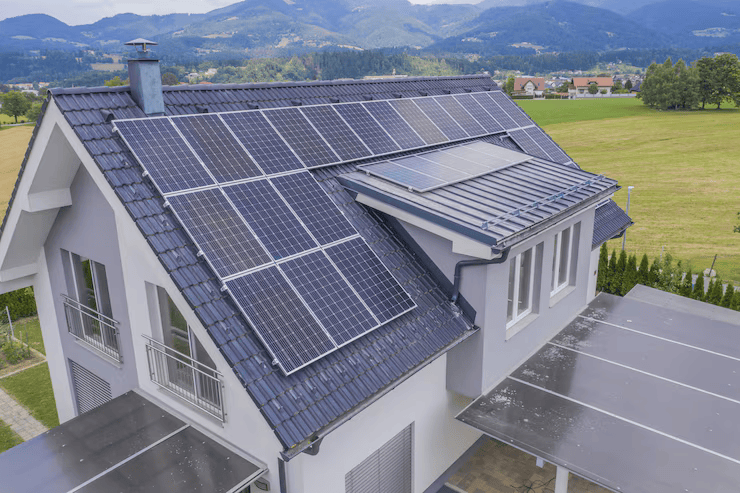
Why Clean Solar Panels Matter in Victoria
Knowing how to clean solar panels on roof is one of the simplest ways to protect your solar investment and keep your system generating at peak efficiency. Dirty panels can lose between 15% and 25% of their energy output — sometimes more during Victoria’s dusty summer months or after bushfire smoke events.
Victoria’s climate throws a lot at your panels. From pollen in spring and bird droppings year-round, to red dust blown in from the north and salt air along the Bellarine Peninsula coast, grime builds up fast. Regular cleaning keeps your system performing the way it was designed to.
How Often Should You Clean Your Solar Panels?
Most Victorian homeowners should clean their solar panels at least twice a year — once in autumn after the dry summer period, and again in spring after the pollen season. If you live near a busy road, farmland, or coastal area, quarterly cleaning may be more appropriate.
A good rule of thumb is to check your solar monitoring app or inverter output. If your energy generation has dropped noticeably without a change in weather patterns, dirty panels are often the culprit. Consistent monitoring helps you spot the problem early.
What You’ll Need Before You Start
Before you get started, gather the right equipment. Using the wrong tools can scratch the anti-reflective coating on your panels, permanently reducing their efficiency. Here’s what you’ll need:
- A soft-bristle brush or squeegee with a long extension pole
- A bucket of lukewarm water (avoid hot water, which can crack cold glass)
- A small amount of mild, non-abrasive detergent (optional)
- A garden hose with a gentle spray nozzle
- Non-slip footwear if you need to access the roof
- Rubber-soled gloves for grip and safety
Never use a pressure washer on your solar panels. The high-pressure stream can damage the panel seals and void your manufacturer’s warranty. Stick to gentle water pressure and soft cleaning tools.
Step-by-Step: How to Clean Solar Panels on Roof
Safety comes first. If your panels are on a steep or high roof, cleaning from the ground using an extension pole is strongly recommended. Only access the roof if it is safe to do so, and never work on the roof alone.
- Turn off your solar system. Follow your inverter’s shutdown procedure before you begin. This is a critical safety step.
- Choose the right time of day. Clean your panels early in the morning or late afternoon when they are cool. Cleaning hot panels in the midday sun can cause thermal shock and streaking.
- Rinse with water first. Use your garden hose to loosen and remove loose dust and debris before scrubbing.
- Gently scrub the surface. Use your soft brush or squeegee with a small amount of mild detergent if needed. Work in smooth, overlapping strokes.
- Rinse thoroughly. Remove all soap residue, as leftover detergent can attract more dirt and leave streaks.
- Dry with a squeegee. Remove excess water to avoid mineral deposits from tap water drying on the glass surface.
- Restart your system. Follow your inverter’s startup procedure and check your monitoring app to confirm output has improved.
Common Mistakes Victorian Homeowners Make
One of the most frequent mistakes is using abrasive sponges or steel wool to remove stubborn bird droppings. These will scratch the panel glass and reduce light transmission permanently. For dried-on grime, soak the area with water first and let it soften before gently wiping.
Another common error is using hard tap water without drying the panels afterwards. Victoria’s tap water contains minerals that leave white residue when they dry on glass. If you have access to a squeegee or even a chamois cloth, a quick dry-off makes a real difference to the end result.
Homeowners in areas like Lara and the Bellarine Peninsula should also be mindful of salt spray, which can leave a hazy film on panels over time. More frequent rinsing — even just with a hose — can prevent this build-up from becoming a bigger problem. If you’re in the region, the team at SmartPower Electrical’s Lara service area understands the specific challenges coastal conditions create for solar systems.
Do Solar Panels Need Cleaning If It Rains?
Rain does help rinse away light dust, but it is rarely enough on its own. Rainfall in Victoria often leaves behind mineral deposits and doesn’t shift stubborn contaminants like bird droppings, pollen clumps, or oily residue from nearby traffic or industry.
Think of it like your car — rain washes off some surface dust, but you still need a proper wash to keep it clean. The same logic applies to your solar array. Don’t rely on rainfall as your sole cleaning strategy if you want to maintain optimal energy output.
When to Call a Professional
Some situations genuinely call for a licensed professional rather than a DIY approach. If your roof is steep, multi-storey, or difficult to access safely, the risk simply isn’t worth taking. Falls from roofs are one of the leading causes of serious injury for Australian homeowners, and no amount of energy savings justifies that risk.
You should also call a professional if you notice physical damage to your panels — such as cracked glass, discolouration, or hot spots — during your visual inspection. These issues go beyond cleaning and require an expert assessment. Similarly, if your energy output hasn’t improved after cleaning, there may be an underlying electrical issue with your inverter or wiring that needs attention. For those concerns, you can explore electrical repair services or get in touch with the team at SmartPower Electrical for a full system inspection across Victoria.
For guidance on working safely at heights, the WorkSafe Victoria website provides practical information on residential roof safety that every homeowner should be aware of.
Conclusion
Understanding how to clean solar panels on roof correctly is an easy, cost-effective way to protect your system and maximise your return on investment. Use the right tools, pick the right time of day, and always prioritise your safety — especially when it comes to roof access.
Clean panels twice a year as a minimum, watch your monitoring data for dips in output, and don’t hesitate to call in a professional when the job is beyond a safe DIY approach. SmartPower Electrical is here to help Victorian homeowners get the most from their solar systems — from routine inspections to full electrical assessments. Reach out today to book a service.
Frequently Asked Questions
Can I use tap water to clean my solar panels?
Yes, tap water is fine for cleaning, but it’s best to dry the panels afterwards with a squeegee to prevent mineral deposits from forming as the water evaporates. If you have access to rainwater or filtered water, that’s even better for a streak-free finish.
Is it safe to walk on my roof to clean solar panels?
Walking on your roof carries real risk, particularly on tiled or steep-pitch roofs common in Victorian homes. Wherever possible, use an extension pole from the ground or gutterline. If roof access is necessary, use appropriate fall protection and never work alone. When in doubt, hire a professional.
How do I know if my solar panels need cleaning?
The clearest sign is a noticeable drop in energy generation compared to the same period in previous years, assuming similar weather conditions. You can also do a visual check from the ground — if you can see a visible layer of dust, bird droppings, or grime, it’s time for a clean.
Will cleaning my solar panels void the warranty?
It can, if you use the wrong methods. Using a pressure washer, abrasive materials, or harsh chemical cleaners may void your panel manufacturer’s warranty. Always follow the cleaning guidelines in your panel’s product manual, and stick to soft brushes, mild detergent, and gentle water pressure to stay covered.