
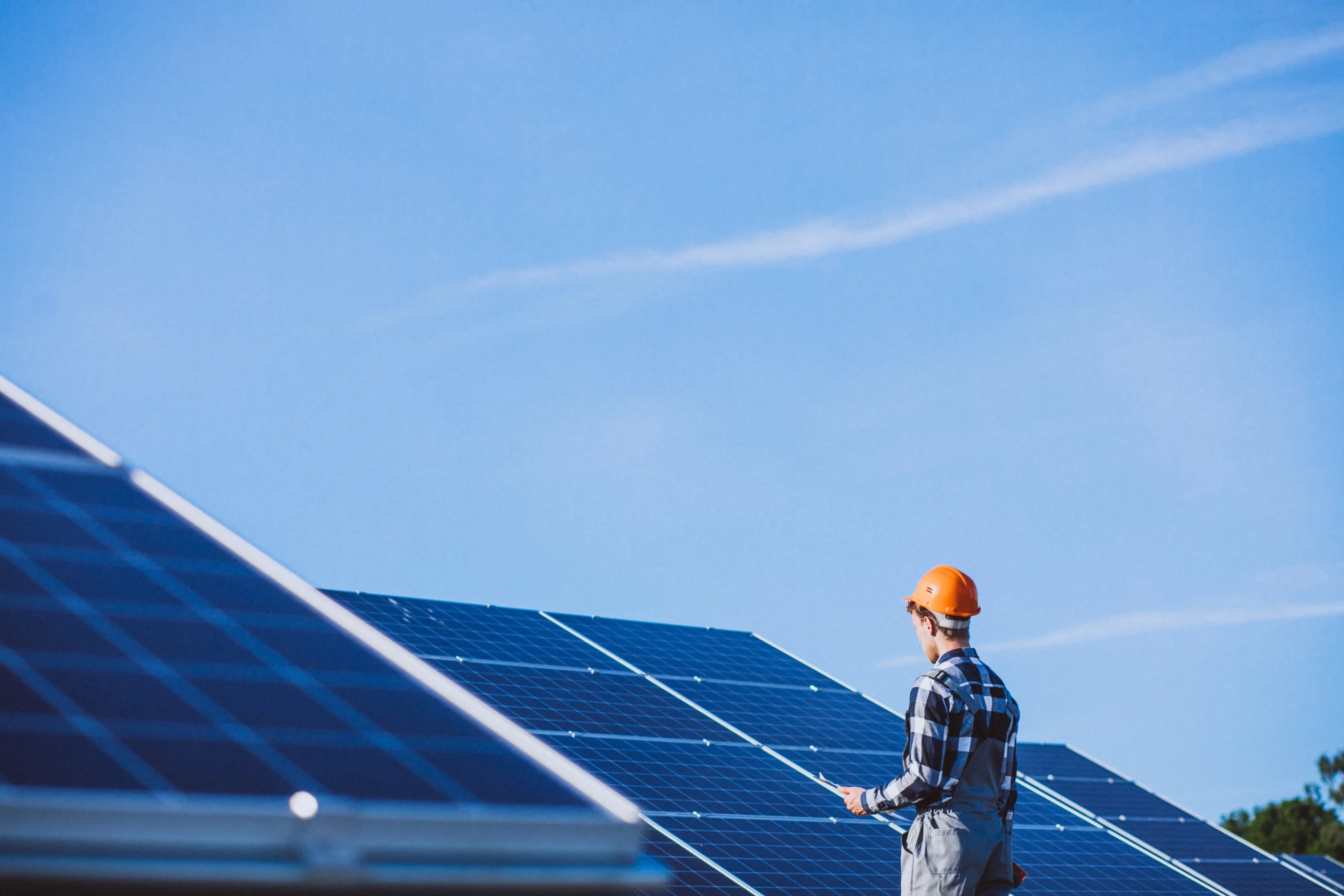
The Quick Answer: Who Is Eligible for Solar Rebate in Victoria?
To be eligible for a solar rebate in Victoria in 2026, you generally need to own your home, have a household income under $210,000 per year, and install a solar panel system through an approved retailer. The property must not have received a Victorian solar rebate previously, and the system must be installed by a Clean Energy Council-accredited installer.
Understanding Victoria’s Solar Rebate Program in 2026
Victoria’s Solar Homes Program remains one of the most generous state-based incentives in Australia. It’s designed to help everyday Victorian households reduce their energy bills and lower their carbon footprint. If you’ve been sitting on the fence about going solar, understanding the eligibility criteria is the best place to start.
The rebate works by reducing the upfront cost of installing a solar photovoltaic (PV) system on your home. Combined with the federal Small-scale Technology Certificates (STCs) scheme, the savings can be substantial — often thousands of dollars off the total installation cost.
Who Is Eligible for Solar Rebate: The Key Criteria
The Victorian Government sets clear eligibility requirements for the Solar Homes Program. Here’s a straightforward breakdown of what you need to qualify:
- Property ownership: You must be the owner-occupier of the property — renters are not eligible under the standard residential solar rebate (though a separate rental provider rebate exists).
- Household income: Your combined household taxable income must be less than $210,000 per year.
- Property value: The property must be valued at under $3 million according to the Valuer-General Victoria.
- No previous rebate: The property must not have previously received a Victorian solar panel rebate through the Solar Homes Program.
- Approved retailer and installer: You must use a Solar Homes Program-registered retailer, and the system must be installed by a Clean Energy Council-accredited installer.
- System size: The solar PV system must be between 2kW and 4kW in capacity to qualify for the rebate.
- Grid connection: Your property must be connected to the electricity grid.
If you tick all of these boxes, you’re in a strong position to claim the rebate. It’s worth double-checking your eligibility on the Solar Victoria website before committing to an installation.
Solar Battery Rebates: Are You Eligible for Those Too?
Beyond solar panels, Victoria also offers rebates for solar battery storage systems. The battery rebate is available to households that already have solar panels installed — either through a previous Solar Homes rebate or independently. Eligibility criteria are similar, including the income and property value thresholds.
Adding a battery lets you store excess solar energy generated during the day and use it in the evening, which is particularly useful during Victoria’s warmer months when air conditioning demand peaks. It’s a smart way to maximise the return on your solar investment over the long term.
What About Renters and Landlords?
If you’re renting your home, you won’t qualify for the standard owner-occupier solar rebate. However, the Victorian Government has a separate rebate stream for rental providers (landlords) to install solar on their rental properties. This helps tenants benefit from lower electricity bills without needing to own the home themselves.
If you’re a landlord looking at this option, the same income and property value thresholds apply, and the system must still be installed through a registered retailer and accredited installer. It’s a worthwhile investment that can also improve the rental appeal of your property.
The Federal STC Scheme: An Additional Saving
Separate from the Victorian Solar Homes Program, the federal government’s Small-scale Renewable Energy Scheme provides Small-scale Technology Certificates (STCs) for eligible solar installations. These certificates are created based on the expected output of your system and can be assigned to your installer in exchange for a point-of-sale discount.
This means most Victorian homeowners who qualify for the state rebate will also receive a federal discount on top — making 2026 a genuinely excellent time to go solar. Your installer should handle the STC paperwork on your behalf as part of the installation process.
If you’re based in the Geelong region, our team at SmartPower Electrical in Lara can walk you through both rebate schemes and help you understand exactly what you’re entitled to before any work begins.
Practical Steps to Claim Your Solar Rebate
- Check your eligibility on the Solar Victoria website using the online eligibility checker.
- Get quotes from at least three Solar Homes Program-registered retailers.
- Confirm your installer holds a current Clean Energy Council accreditation.
- Apply for your rebate through the Solar Victoria portal — this must be done before installation begins.
- Have the system installed and inspected by a licensed electrician.
- Receive your rebate as a reduction in the total cost you pay the retailer.
It’s important to note that you must secure your rebate approval before the installation date. Applying after the fact is not accepted under the program’s terms.
Common Reasons Applications Are Rejected
A number of Victorian households miss out on the rebate due to avoidable mistakes. The most common reasons for rejection include using a retailer or installer not registered with the Solar Homes Program, having a combined household income above the threshold, or applying for a property that has already received a rebate under the scheme.
Switchboard condition can also be a factor — if your switchboard doesn’t meet current safety standards, it may need to be upgraded before solar can be connected. Our team handles switchboard repairs and upgrades to ensure your home is solar-ready without delays.
When to Call a Professional
Navigating solar rebates, system sizing, and electrical compliance can feel overwhelming — especially if you’re new to the process. If you’re unsure whether your property qualifies, need a switchboard assessment, or want guidance on choosing the right system size, it’s time to speak with a licensed electrician who understands the local requirements.
SmartPower Electrical works with homeowners across Victoria, including in areas like the Bellarine Peninsula, to ensure solar installations are completed safely, correctly, and in full compliance with Australian Standards AS/NZS 4777. Contact SmartPower Electrical today to book a consultation and take the guesswork out of going solar in 2026.
Conclusion
Understanding who is eligible for a solar rebate in Victoria comes down to a clear set of criteria: owner-occupier status, income below $210,000, a property valued under $3 million, and using accredited installers and registered retailers. When you meet these requirements, the combined state and federal incentives make solar one of the smartest home investments you can make in 2026.
Don’t let confusion over eligibility hold you back from reducing your energy bills. Reach out to a licensed local electrician, confirm your eligibility early, and lock in your rebate before installation day. The savings are real — and they’re waiting for you.
Frequently Asked Questions
Can I get a solar rebate if I have already had solar panels installed?
No. If your property has previously received a Victorian Solar Homes Program rebate for solar panels, it is not eligible to receive another one. However, you may still be eligible for the battery storage rebate if you meet the other criteria and haven’t previously claimed that rebate.
Does the solar rebate apply to apartments or units?
Generally, the Solar Homes Program is designed for standalone homes where the owner-occupier has control over the roof space. Apartments and units in strata-titled buildings face additional complexity, as common property rules apply. It’s best to check directly with Solar Victoria or speak to a licensed electrician about your specific situation.
How long does it take to receive the rebate?
The rebate is typically applied as a point-of-sale discount, meaning you pay a reduced amount to your retailer upfront rather than waiting for a payment after installation. The process is managed through the Solar Victoria portal, and approval is usually granted within a few business days of a complete application.
Do I need to upgrade my switchboard before installing solar?
Not always, but it depends on the age and condition of your existing switchboard. Older switchboards with ceramic fuses or outdated wiring may not be compatible with a modern solar inverter and may require an upgrade to meet Australian Standards. A licensed electrician can assess your switchboard and advise you before installation begins. For more about what we do, visit our homepage.