
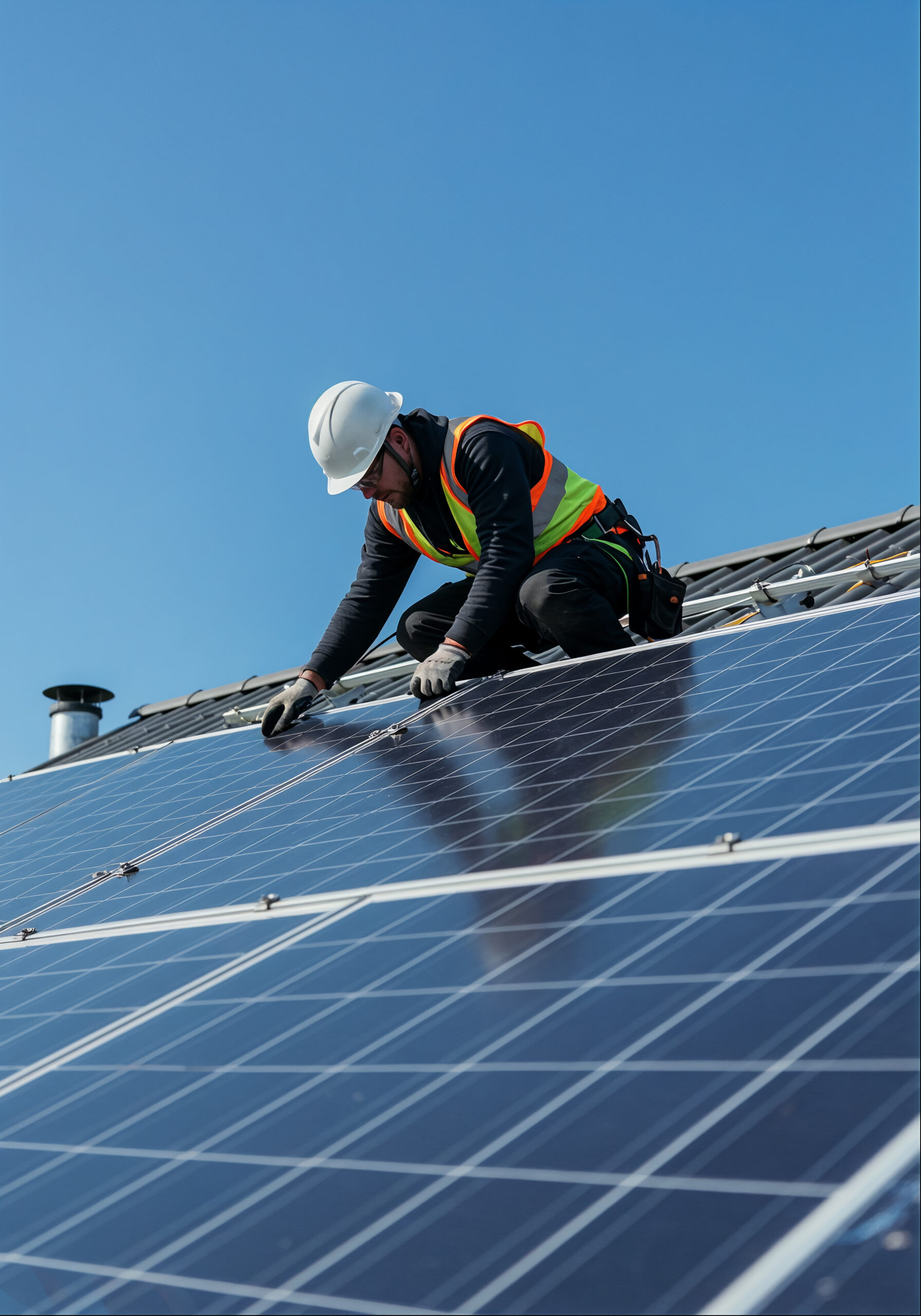
What Geelong Homeowners Need to Know About Solar Panel Repairs
If your solar system isn’t performing the way it should, knowing the right solar panel repair tips can save you time, money, and unnecessary stress. In short: some issues — like cleaning dirty panels or checking your inverter display — are safe to handle yourself, while anything involving wiring, mounting, or electrical components must be left to a licensed professional.
Geelong’s climate is a real mixed bag. Hot, dry summers push your panels hard, while coastal winds, salt air near Port Phillip Bay, and the occasional hailstorm can all take a toll on your system over time. Understanding what’s normal wear and what signals a genuine fault is the first step to protecting your investment.
Common Solar Panel Problems Geelong Homeowners Face
Before jumping to solutions, it helps to identify what you’re actually dealing with. Many performance issues share similar symptoms but have very different causes.
Here are the most common problems reported by Geelong solar system owners:
- Reduced energy output: Your system is generating noticeably less power than usual, especially on clear days.
- Inverter fault codes or warning lights: Your inverter display is showing error messages or has shut down entirely.
- Visible panel damage: Cracked glass, discolouration, or hotspots visible on the panel surface.
- Soiling and debris build-up: Bird droppings, leaf litter, or dust accumulation blocking sunlight.
- Loose or corroded wiring connections: Often caused by heat cycling or pest damage (possums are a common culprit in Geelong suburbs).
- Tripped circuit breakers: Your solar circuit is repeatedly tripping at the switchboard.
Identifying the issue correctly means you won’t waste money on unnecessary call-outs or, worse, attempt a repair that creates a safety hazard.
Solar Panel Repair Tips You Can Safely Do Yourself
Not every solar problem requires a licensed electrician. There are several safe, practical steps you can take as a homeowner to troubleshoot and maintain your system.
1. Clean Your Panels Regularly
Geelong’s combination of dry easterly winds and coastal grime means panels can accumulate a significant layer of dust and bird droppings between rain events. Dirty panels can reduce output by 10–25%, so cleaning them is one of the most effective solar panel repair tips you can act on immediately.
Use a soft brush or squeegee with plain water — avoid abrasive materials or harsh chemicals. Always clean panels early in the morning or late in the afternoon when they’re cool, and never use a high-pressure hose, which can damage seals and void your warranty.
2. Check Your Inverter Display
Your inverter is the brain of your solar system. Most modern inverters display real-time output data and fault codes. If your screen is showing a red light or an error code, consult your inverter’s manual before assuming the worst.
Many inverter faults are temporary — caused by grid fluctuations or overheating on extremely hot Geelong summer days. Try switching the inverter off at the wall, waiting two minutes, and restarting it. If the fault persists, it’s time to call a professional.
3. Monitor Your System’s Output Data
Most solar systems installed in 2026 come with monitoring apps that track daily, weekly, and monthly generation. Get into the habit of checking your output against similar weather days. A sudden, sustained drop in generation — not explained by overcast weather — is a clear sign something needs attention.
4. Inspect Panels Visually from the Ground
Use binoculars to check for visible cracks, discolouration, or debris from the ground. Never climb onto your roof to inspect or clean panels unless you have proper safety equipment and training. Falls from residential rooftops are a leading cause of serious injury in Australia.
Solar Panel Repair Tips: What You Must Never DIY
This is where many homeowners get into trouble. Australian electrical regulations are strict for good reason — solar systems operate at high DC voltages that can be lethal, even when the mains power is switched off.
Under the AS/NZS 5033 standard for photovoltaic array installation, all electrical work on solar systems must be carried out by a licensed electrical contractor. This includes replacing panels, repairing wiring, adjusting mounting hardware, and any work on the inverter’s internal components.
Attempting unlicensed electrical work can void your system warranty, invalidate your home insurance, and put your family at serious risk. If you’re in the Bellarine Peninsula area and need qualified help, a local electrician in Bellarine can assess your system safely and efficiently.
Understanding Solar Rebates and Warranty in Victoria
Before you spend a cent on repairs, check whether your system is still under warranty. Most quality solar panels carry a 10–25 year performance warranty, and inverters typically come with a 5–10 year manufacturer’s warranty.
Victoria’s solar rebate scheme through Solar Victoria has specific requirements around who can install and service eligible systems. If your system was installed under a rebate programme, repairs must be carried out by an approved installer to protect your entitlements. Always keep your original installation documentation handy.
If your switchboard also needs attention — which is common in older Geelong homes adding solar for the first time — you can learn more about electrical switchboard repairs and what’s involved before booking a job.
When to Call a Professional
If you’ve worked through the basic solar panel repair tips above and your system still isn’t performing correctly, it’s time to bring in a licensed electrician. You should also call a professional immediately if you notice burning smells, scorch marks near your inverter or switchboard, or any visible damage to wiring.
SmartPower Electrical services Geelong and surrounding areas, including Lara, Newtown, Hamlyn Heights, and beyond. Their team is fully licensed, experienced with all major solar brands, and can carry out a thorough system inspection, fault diagnosis, and repair in compliance with Australian standards.
Don’t wait for a small issue to become an expensive one — contact SmartPower Electrical today to book a solar system inspection or fault assessment.
Conclusion
Keeping your solar system in peak condition doesn’t have to be complicated. The most important solar panel repair tips for Geelong homeowners come down to regular cleaning, consistent output monitoring, and knowing exactly where the line is between DIY maintenance and licensed electrical work.
Geelong’s climate and coastal conditions mean your system works hard year-round — so give it the attention it deserves. For anything beyond basic maintenance, trust a qualified local electrician to keep your system safe, compliant, and generating at its best. Reach out to SmartPower Electrical and get your solar system performing the way it should in 2026.
Frequently Asked Questions
Can I clean my solar panels myself in Geelong?
Yes, cleaning your solar panels is one of the few maintenance tasks you can safely do yourself. Use a soft brush or squeegee with plain water, work from the ground where possible, and avoid high-pressure hoses or abrasive cleaners. Always clean panels when they’re cool — early morning is ideal.
How do I know if my solar inverter needs replacing?
Persistent fault codes, a blank display, or an inverter that won’t restart after a power cycle are all signs your inverter may need professional assessment. Inverters typically last 10–15 years, so if yours is approaching that age and showing issues, replacement may be more cost-effective than repair.
Does DIY solar panel repair void my warranty in Australia?
Yes, in most cases it will. Australian solar panel and inverter warranties require that all electrical work be carried out by a licensed electrical contractor. Attempting repairs yourself can void both the product warranty and your home insurance coverage in the event of an incident.
What Australian standard applies to solar panel installation and repair?
Solar photovoltaic systems in Australia must comply with AS/NZS 5033 (Installation and Safety Requirements for Photovoltaic Arrays) and AS/NZS 4777 (Grid Connection of Energy Systems via Inverters). All repair and installation work must be performed by a licensed electrician to meet these standards.