
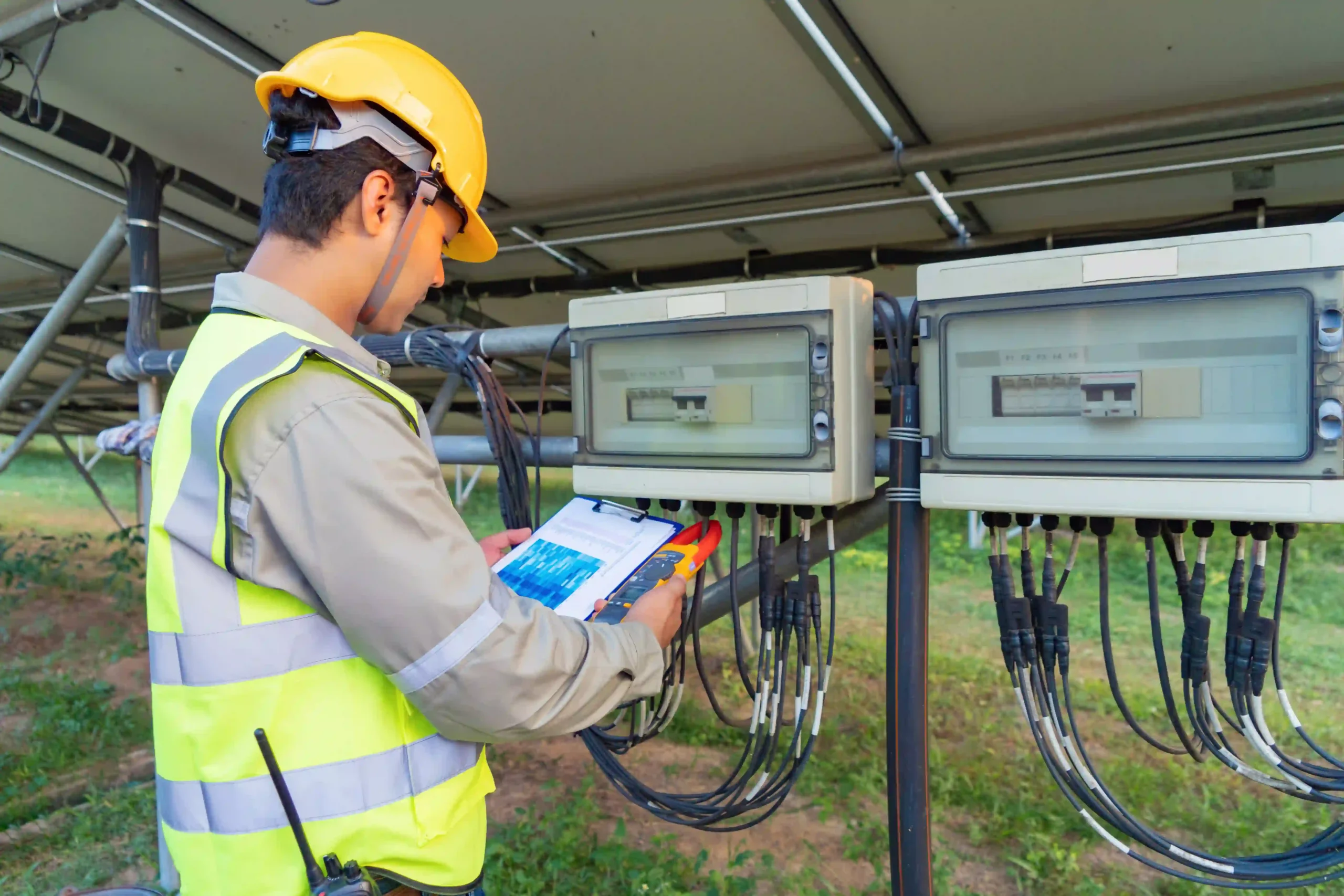
How Do You Know If Your Solar Panels Are Failing?
The signs your solar panels are failing include a sudden drop in energy output, unexpectedly high electricity bills, visible physical damage to panels, inverter error codes, and inconsistent monitoring data. Catching these warning signs early can save Geelong homeowners thousands of dollars in lost savings and costly repairs.
Why Solar Panel Performance Matters More Than Ever in 2026
Solar uptake across Geelong and the Bellarine Peninsula has surged over the past decade. With energy prices continuing to climb, your rooftop system isn’t just an environmental choice — it’s a serious financial asset. When that system starts underperforming, the impact on your household budget is real and immediate.
Most quality solar panels are rated to last 25 years or more, but that doesn’t mean they’re maintenance-free. Degradation, weather damage, and component failures can quietly erode your system’s efficiency long before the panels physically give out.
The Most Common Signs Your Solar Panels Are Failing
Knowing what to look for puts you in control. Here are the key warning signs every Geelong homeowner should watch for:
- Rising electricity bills: If your bills are creeping up despite normal usage habits, your system may not be generating what it should.
- Lower-than-expected feed-in credits: A drop in your feed-in tariff credits on your energy statement is a clear red flag.
- Inverter fault lights or error codes: Your inverter is the brain of the system — error messages should never be ignored.
- Visible cracks, discolouration, or hotspots: Yellowing, delamination, or dark patches on the panel surface indicate cell damage.
- Micro-inverter or optimiser failures: Individual panel output drops can point to failed micro-inverters or DC optimisers.
- Monitoring app anomalies: Irregular spikes, flat lines, or missing data in your monitoring portal often reveal faults before you’d notice them otherwise.
- Physical shading changes: New trees, structures, or even bird nesting under panels can cause unexpected output loss.
How Geelong’s Climate Affects Solar Panel Longevity
Geelong’s weather is notoriously variable. Coastal salt air from Port Phillip Bay can accelerate corrosion on panel frames and mounting hardware. Summers bring intense UV exposure and heat — conditions that stress panel cells and can cause micro-cracking over time.
Hailstorms are another concern. While most modern panels are tested to withstand hail up to a certain size, repeated impacts over the years can compromise the tempered glass surface and internal cell connections. After any significant hail event, it’s worth visually inspecting your panels from ground level.
Homes in areas like Lara and the Bellarine Peninsula face additional exposure to coastal winds and salt spray, making regular system checks even more important.
Understanding Solar Degradation Rates
All solar panels degrade gradually over their lifespan. The Clean Energy Council of Australia recognises that a typical degradation rate is around 0.5–0.8% per year, meaning a 10-year-old system should still be producing roughly 92–95% of its original output. If your system is performing significantly below this benchmark, something beyond normal wear is likely at play.
Degradation accelerates when panels are exposed to persistent thermal cycling, moisture ingress, or physical stress. Checking your system’s output against its original performance specifications is one of the most reliable ways to detect a problem early.
DIY Checks You Can Do Right Now
You don’t always need a professional to spot an issue. There are several practical checks you can carry out yourself:
- Log into your solar monitoring app and compare today’s output to the same day last year or last month under similar weather conditions.
- Check your inverter display for any fault codes or warning indicators — most manufacturers publish code explanations online.
- Inspect panels from the ground (never climb onto your roof without proper safety equipment) for visible cracks, discolouration, or debris build-up.
- Review your last three electricity bills and compare feed-in credits against previous periods.
- Clear any obvious debris, leaves, or bird droppings from panel surfaces — soiling alone can reduce output by 5–10%.
If your switchboard or electrical infrastructure is ageing, that can also affect how efficiently your solar system feeds power into your home. It’s worth considering the whole picture, not just the panels themselves.
When to Call a Professional
Some issues genuinely require a licensed electrician or accredited solar technician. You should call a professional if you notice any of the following: persistent inverter faults that don’t clear after a reset, a significant and unexplained drop in output lasting more than a few days, burning smells or scorch marks near your inverter or switchboard, or any physical damage to wiring, conduit, or panel frames.
Under Australian Standard AS/NZS 5033, solar PV installation and repair work must be carried out by a licensed electrical contractor. Attempting to repair wiring or inverter components yourself is both dangerous and potentially illegal.
The team at SmartPower Electrical provides expert solar system inspections and fault diagnosis across Geelong and surrounding areas. Whether you’re in Newtown, Hamlyn Heights, or out on the Bellarine, SmartPower Electrical can assess your system, identify the fault, and get your solar investment back to full performance. Don’t wait until a small issue becomes an expensive replacement — call today and book a solar health check.
Conclusion
Recognising the signs your solar panels are failing early is the single most effective way to protect your investment and keep your energy bills low. From rising electricity costs and inverter error codes to visible panel damage and monitoring anomalies, the warning signs are there if you know what to look for.
Geelong homeowners have a lot to gain from a well-maintained solar system — and a lot to lose if problems go unchecked. Carry out regular visual checks, review your monitoring data consistently, and don’t hesitate to call a qualified professional when something doesn’t look right. Your solar system works hard for you every day; it deserves the same attention in return.
Frequently Asked Questions
How quickly can solar panels lose efficiency?
Most quality solar panels degrade at around 0.5–0.8% per year under normal conditions. However, physical damage, moisture ingress, or faulty components can cause much faster and more significant efficiency losses. If your system’s output drops noticeably over a short period, it’s worth having it inspected promptly.
Can dirty solar panels really affect performance?
Yes, significantly. Dust, bird droppings, and leaf debris can reduce solar panel output by 5–10% or more. In Geelong, where coastal winds can deposit salt and grime on panel surfaces, regular cleaning — ideally every six to twelve months — is good practice. Always use appropriate cleaning methods and avoid abrasive materials that can scratch the glass.
Is it safe to reset my solar inverter myself?
A basic inverter restart (switching it off and on again via the isolator switches as described in your system manual) is generally safe for homeowners to perform. However, if fault codes persist after a reset, or if you notice any burning smell, unusual heat, or visible damage near the inverter, stop and contact a licensed electrician immediately.
How often should a solar system be professionally inspected?
The Clean Energy Council recommends a professional inspection every five years at a minimum, though many industry experts suggest every two to three years for optimal performance and safety. Older systems, or those that have experienced storm or hail damage, should be inspected sooner. A qualified technician can identify degradation, loose connections, and safety hazards that aren’t visible from the ground.