
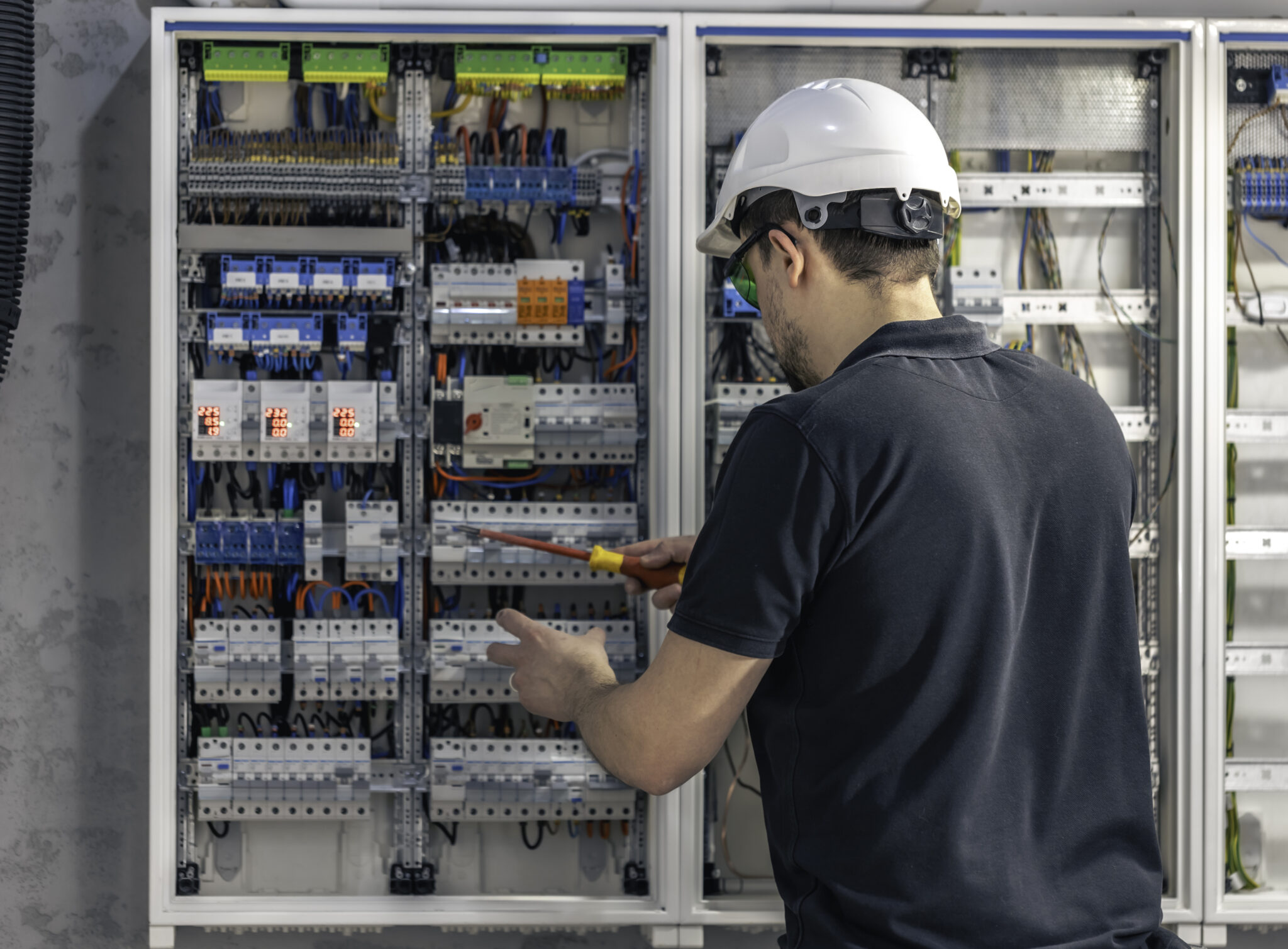
How to Reset a Circuit Breaker in Your House: A Quick Answer
Knowing how to reset a circuit breaker in your house is a straightforward skill every Victorian homeowner should have. Locate your switchboard, find the tripped breaker (it will be in the middle or “off” position), switch it fully to “off,” then firmly push it back to “on.” Power should restore immediately — if it doesn’t, there’s a deeper issue at play.
Why Circuit Breakers Trip in the First Place
Circuit breakers are safety devices built into your switchboard to protect your home’s wiring from damage. When too much current flows through a circuit — whether from overloading, a short circuit, or a faulty appliance — the breaker automatically trips and cuts power to that circuit.
In Victoria, many homes — particularly older weatherboard and brick veneer properties — still run on switchboards that were installed decades ago. These older panels can be more prone to nuisance tripping, especially during summer when air conditioners, fans, and refrigerators all run simultaneously.
Step-by-Step: How to Reset a Circuit Breaker in Your House
Before you touch anything, make sure your hands are dry and you’re standing on a dry surface. Electrical safety is non-negotiable. Follow these steps carefully:
- Locate your switchboard. In most Victorian homes, the switchboard (also called the meter box or fuse box) is mounted on an exterior wall near the front of the property, or in a garage, laundry, or hallway.
- Identify the tripped breaker. A tripped circuit breaker will sit in a middle position between “on” and “off,” or may have flipped fully to “off.” Some models have a small red or orange indicator window that appears when tripped.
- Turn off or unplug appliances on that circuit. Before resetting, reduce the load on the circuit. Unplug anything that was running in the affected area — this is the most commonly overlooked step.
- Switch the breaker fully to “off.” Push it firmly into the off position first. This resets the internal mechanism properly.
- Switch the breaker back to “on.” Push it firmly and listen for a click. Power should return to that area of your home.
- Test the circuit gradually. Plug appliances back in one at a time to identify whether a specific device is causing the overload.
If the breaker trips again immediately after resetting, stop. Do not keep resetting it repeatedly — this is a sign something more serious is wrong with the circuit or an appliance connected to it.
Common Reasons Your Breaker Keeps Tripping
A one-off trip is usually nothing to worry about. But if you’re regularly dealing with the same breaker tripping, it’s worth understanding why. The most common culprits include:
- Circuit overload: Too many high-draw appliances running at once — think electric kettles, toasters, and microwaves all on the same kitchen circuit.
- Faulty or ageing appliances: An older heater, washing machine, or power tool drawing more current than it should.
- Short circuit: A live wire contacting a neutral wire inside an appliance or your home’s wiring — this is more serious and produces a sharp trip with sometimes a burning smell.
- Ground fault: Similar to a short circuit, but the current is leaking to earth. This is especially common in wet areas like bathrooms and laundries.
- An ageing or undersized switchboard: Older Victorian homes with ceramic fuse-style switchboards may need upgrading to handle modern electrical loads.
If you’re experiencing repeated trips, it may be time to look at your switchboard repairs and upgrades to bring your home’s electrical system up to current standards.
Safety Rules You Must Follow Around Your Switchboard
Australian Standard AS/NZS 3000:2018 (the Wiring Rules) sets out the requirements for electrical installations across the country, and Energy Safe Victoria enforces electrical safety standards locally. As a homeowner, you are permitted to reset a tripped breaker — but that’s where your DIY involvement should end.
Never attempt to open the back of the switchboard, replace wiring, or modify any electrical components yourself. All electrical work beyond basic resets must be carried out by a licensed electrician in Victoria. Working on live electrical systems without a licence is both illegal and genuinely life-threatening.
Also make sure your switchboard has a working residual current device (RCD) — sometimes called a safety switch. Victorian regulations require RCDs on power and lighting circuits in new and renovated homes. If you’re unsure whether your home has one, it’s worth getting a licensed electrician to check.
When to Call a Professional
Some electrical situations are firmly outside the scope of a DIY fix. You should call a licensed electrician straight away if:
- The breaker trips immediately every time you reset it
- You notice a burning smell, scorch marks, or discolouration around the switchboard
- Multiple circuits are tripping at the same time
- Your home still uses ceramic fuses rather than modern circuit breakers
- You’ve lost power to the whole house and the street still has power
- You hear buzzing, crackling, or humming from your switchboard
The team at SmartPower Electrical services homeowners across Victoria, including the Geelong region and surrounds. Whether you’re in the outer suburbs or a rural property, a licensed electrician can diagnose recurring faults, upgrade your switchboard, and ensure your home meets current safety standards. If you’re in the region, you can reach a local electrician in Lara or find support across the Bellarine Peninsula quickly and reliably.
Conclusion
Understanding how to reset a circuit breaker in your house is a practical skill that can save you time and unnecessary stress. The process is simple — identify the tripped breaker, reduce the load, switch it off then back on — but knowing when to stop and call a professional is just as important.
Repeated tripping, burning smells, or an outdated switchboard are all signs your home’s electrical system needs professional attention. SmartPower Electrical is here to help Victorian homeowners stay safe and keep the power running reliably. Don’t wait for a small issue to become a serious hazard — get in touch with a licensed electrician today.
Frequently Asked Questions
Is it safe to reset a circuit breaker yourself?
Yes, resetting a tripped circuit breaker is something Victorian homeowners can safely do themselves, provided your hands and the area around the switchboard are dry. However, if the breaker trips again immediately or you notice any burning smell or visible damage, stop and call a licensed electrician straight away.
How do I know which breaker has tripped?
Open your switchboard and look for the breaker that’s sitting in a middle position or has flipped to “off.” Many modern circuit breakers also have a small coloured indicator window — red or orange — that appears when the breaker has tripped, making it easy to spot.
Why does my circuit breaker keep tripping in the same room?
If the same breaker trips repeatedly, it usually means that circuit is being overloaded by too many appliances, or there’s a faulty appliance drawing excessive current. It could also indicate a wiring fault or short circuit. Try unplugging devices one at a time to isolate the cause, and if the problem persists, contact a licensed electrician.
What’s the difference between a circuit breaker and a safety switch (RCD)?
A circuit breaker protects your home’s wiring from overload and short circuits. A residual current device (RCD), or safety switch, protects people from electric shock by detecting current leaking to earth and cutting power within milliseconds. Victorian regulations require RCDs on power and lighting circuits in new and renovated homes — both devices serve different but equally important safety roles. For more about what we do, visit our homepage.