
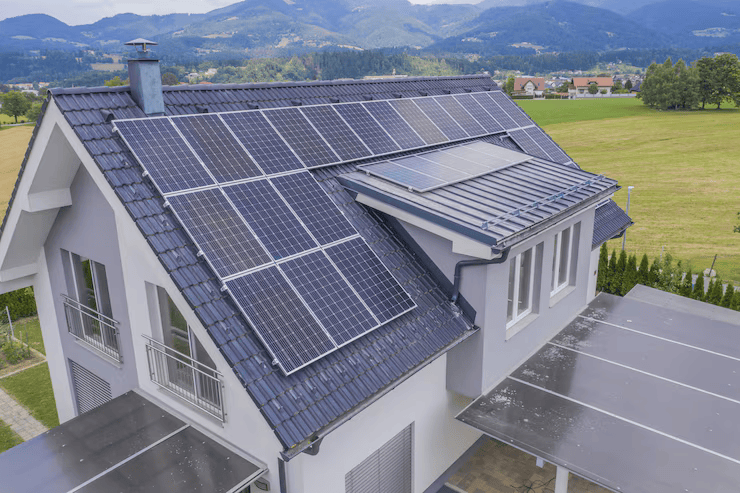
The Short Answer: How Often Should Solar Panels Be Cleaned?
For most Geelong homeowners, solar panels should be cleaned at least once or twice a year. However, your local environment, roof pitch, and surrounding vegetation can push that frequency higher. Dirty panels can lose anywhere from 15–25% of their energy output — meaning you’re paying more for power than you need to.
Understanding the right cleaning schedule for your specific situation is the difference between a solar system that performs at its peak and one that quietly costs you money every single day.
Why Geelong’s Climate Makes Panel Cleaning So Important
Geelong’s weather is genuinely unique. You get hot, dry summers that bake dust and pollen onto panel surfaces, followed by autumn winds that carry leaf debris and bird activity. The coastal proximity also means salt-laden air from Port Phillip Bay and Corio Bay can leave a fine residue on your panels over time.
Unlike cities that receive consistent rainfall to rinse panels naturally, Geelong often experiences extended dry spells — particularly from November through to March. During these months, grime builds up without any natural wash-off, and your system’s output quietly drops. If your home is near Lara, Avalon, or the Bellarine Peninsula, you’ll also contend with agricultural dust and grassland pollen that settles heavily on rooftop surfaces.
Factors That Affect How Often Solar Panels Should Be Cleaned
There’s no single answer that fits every household. Several variables determine your ideal cleaning schedule:
- Roof pitch: Panels installed at a low tilt (less than 10 degrees) collect far more debris than steeply angled panels, since rainwater can’t drain effectively.
- Nearby trees: Overhanging eucalyptus or native gums drop sticky sap, leaves, and bark that adhere firmly to glass surfaces.
- Bird activity: Bird droppings are highly acidic and cause localised shading — a single dropping can reduce the output of an entire panel string.
- Local dust and pollen: Properties near farmland, unsealed roads, or open paddocks accumulate far more airborne particulates than suburban homes.
- Panel orientation: North-facing panels in Geelong receive the most sunlight — and also the most exposure to dust and UV-baked grime.
- Seasonal bushfire smoke: Smoke particles from Victorian bushfire seasons leave a film that standard rainfall won’t remove.
Recommended Solar Panel Cleaning Frequency for Geelong Homes
As a practical guide, here’s what works well for most Geelong properties in 2026:
- Standard suburban home: Clean twice per year — once in late autumn (May) after pollen season, and again in late summer (February) after the dry period.
- Rural or semi-rural properties (Lara, Little River, Staughton Vale): Every three to four months, given higher dust and agricultural debris exposure.
- Homes near water (Bellarine Peninsula, Avalon): Every three months to address salt residue buildup.
- Properties with heavy tree coverage: Every six to eight weeks during autumn and spring, reducing to quarterly in winter and summer.
Keep in mind that monitoring your inverter’s output data is one of the best early-warning systems you have. If you notice a consistent dip in generation that doesn’t align with cloud cover or seasonal changes, dirty panels are often the culprit.
Can You Clean Solar Panels Yourself?
In many cases, yes — and you don’t necessarily need to hire someone for a basic clean. If your panels are safely accessible from the ground using an extendable soft-bristle brush and a hose, a gentle rinse with lukewarm water early in the morning (before panels heat up) is perfectly effective. Avoid using high-pressure water, abrasive cloths, or harsh detergents, as these can scratch the anti-reflective coating and void your panel warranty.
Never clean panels during the middle of a hot day. The thermal shock of cold water on a hot panel surface can cause micro-cracking, which permanently reduces efficiency. Early morning or late afternoon on a mild day is ideal. For guidance on safe cleaning products and methods, the Australian Government’s energy advice for households is a useful starting point.
If your panels are on a two-storey home, have a steep pitch, or are otherwise difficult to reach safely, this is not a DIY job. Working at height on a sloped roof without proper equipment is a serious safety risk.
Signs Your Panels Need Cleaning Right Now
You don’t always need to wait for your scheduled clean. Watch for these warning signs:
- Visible dust, bird droppings, or leaf debris on the panel surface
- A noticeable and unexplained drop in your inverter’s daily generation figures
- Panels that look visibly discoloured or streaked after a light shower
- Smoke haze events in the region (even distant ones leave residue)
If you live in an area like Lara or the Bellarine Peninsula, checking your panels visually after any significant wind event is a smart habit to build.
When to Call a Professional
There are situations where professional solar panel cleaning — and a broader system inspection — is absolutely the right call. If your panels haven’t been cleaned in over 18 months, if you’ve noticed consistent underperformance despite clean weather, or if you simply can’t safely access your roof, it’s time to bring in an expert.
A professional clean also gives a qualified technician the opportunity to inspect your panels for physical damage, check mounting hardware, and assess your inverter and wiring for any issues. At SmartPower Electrical, our team services Geelong and surrounding areas, helping homeowners get the most from their solar investment. Whether you need a panel inspection, a system health check, or advice on your setup, SmartPower Electrical is ready to help — get in touch today to book a visit.
Conclusion
So, how often should solar panels be cleaned in Geelong? For most households, twice a year is a solid baseline — but your local environment, roof type, and surrounding conditions may mean you need to clean more frequently. Staying on top of your cleaning schedule protects your investment, maintains your system’s output, and extends the life of your panels.
Don’t let a thin layer of dust silently drain your energy savings. Set a reminder, monitor your inverter data, and when in doubt, reach out to the team at SmartPower Electrical for professional advice tailored to your Geelong property. You can also explore our broader electrical services at SmartPower Electrical to keep your whole home running efficiently.
Frequently Asked Questions
Does rain clean solar panels effectively in Geelong?
Light rain can wash away loose dust, but it’s rarely enough to remove bird droppings, sticky pollen, salt residue, or baked-on grime — especially after a long dry spell. In Geelong’s climate, you should not rely on rainfall alone to keep your panels performing at their best.
What time of year is best for solar panel cleaning in Geelong?
Late autumn (May) and late summer (February) are generally the most effective times. After summer’s dry heat and before winter’s reduced sunlight, a thorough clean in February maximises your output during the shoulder season. A May clean removes spring pollen and prepares your system for the lower-light winter months.
Can dirty solar panels cause permanent damage?
In most cases, dirt causes temporary efficiency loss rather than permanent damage. However, bird droppings left for extended periods can etch into the panel’s glass coating due to their acidity, and hotspots caused by localised shading from debris can contribute to long-term cell degradation. Regular cleaning prevents these issues.
How do I know if my solar panels are underperforming due to dirt?
The most reliable method is to compare your inverter’s current daily generation figures against the same period in previous years or against the system’s rated output. Many modern inverters and monitoring apps make this easy. If your output has dropped by more than 10–15% without a clear weather-related explanation, dirty panels are a likely cause worth investigating.