
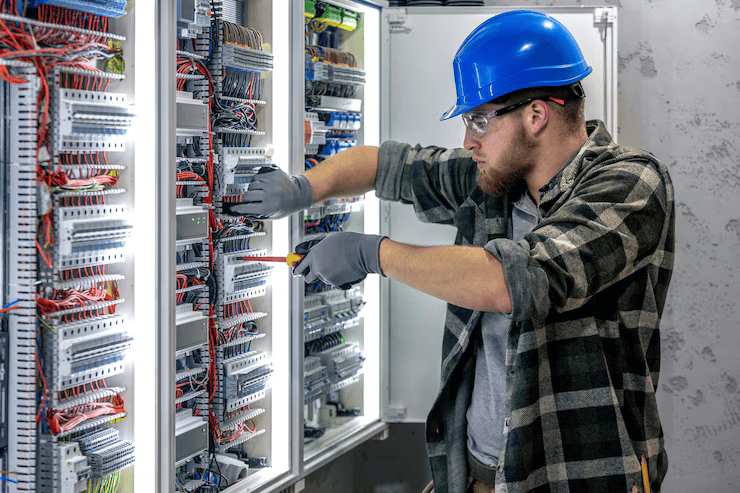
How often should RCD testing be done? In Australian homes, RCDs (residual current devices) should be tested by pressing the test button every three months, and professionally tested by a licensed electrician every two years. Rental properties have stricter obligations under state regulations, and workplaces follow separate rules under WHS legislation.
If you’ve never tested your RCDs — or you’re not even sure where they are — you’re not alone. Many Australian homeowners treat these small but critical safety devices as “set and forget” installations. That’s a serious mistake. RCDs are your last line of defence against electrocution and electrical fires, and like any safety device, they need regular attention to stay effective.
This guide walks you through everything you need to know: what RCDs actually do, how often testing should happen, what’s involved, what it costs, and when to call a professional like SmartPower Electrical to handle it properly.
What Is an RCD and Why Does Testing Matter?
An RCD, or residual current device, is a safety switch installed in your switchboard that monitors the flow of electricity through a circuit. If it detects even a tiny imbalance — caused by current leaking through a person or faulty appliance — it cuts power in as little as 30 milliseconds. That’s fast enough to prevent a fatal electric shock in most cases.
Over time, however, RCDs can develop faults. Internal components degrade, contacts corrode, and the tripping mechanism can become sluggish or fail entirely. An RCD that looks fine on the outside may not actually trip when it needs to. Regular testing is the only way to confirm it will protect you when it matters most.
There are three main types you’ll encounter in Australian homes: Type 1 (switchboard-mounted safety switches), Type 2 (socket-outlet RCDs), and Type 3 (inline or cord RCDs). All of them require periodic testing, though the frequency and method differ slightly.
How Often Should RCD Testing Be Done in Australian Homes?
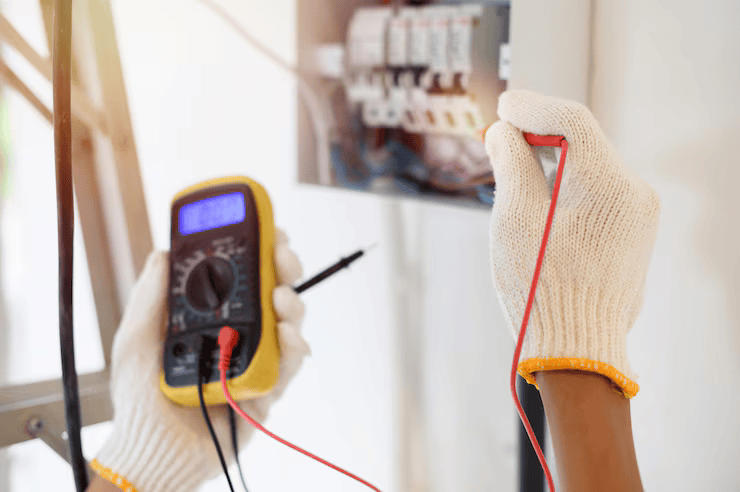
The short answer depends on who you are and what the property is used for. Here’s a clear breakdown:
- Owner-occupiers: Press the test button on each RCD every three months. Arrange a professional test-and-inspect every two years.
- Landlords (rental properties): Most Australian states require RCD testing every two years by a licensed electrician, with written records kept. Some states mandate testing at the start of each new tenancy.
- Workplaces: Under the Work Health and Safety Regulations, RCDs used in construction and high-risk environments must be tested every three months (push-button) and every 12 months by a competent person using a calibrated RCD tester.
- New installations: Test immediately after installation and then follow the standard schedule from that point forward.
The three-month push-button test is something you can do yourself — it takes about 30 seconds per device. The two-year professional test is a different matter. It involves using a calibrated instrument to measure actual trip times and leakage current thresholds, which requires a licensed electrician.
Australian Standard AS/NZS 3760 governs the in-service testing of electrical equipment, including RCDs, and provides the technical benchmarks that licensed electricians follow. If you’re a landlord or business owner, compliance with this standard is not optional.
What Happens During a Professional RCD Test?
When a licensed electrician carries out a formal RCD test, they do considerably more than press a button. Understanding the process helps you know what you’re paying for and what to expect.
- Visual inspection: The electrician checks the switchboard, RCD housing, and wiring for obvious signs of damage, overheating, corrosion, or moisture ingress.
- Push-button test: Each RCD is tested using its built-in test button to confirm the mechanical trip function is operational.
- Instrument test: A calibrated RCD tester measures the actual trip time in milliseconds and the operating current in milliamps. For a Type 1 RCD rated at 30mA, the trip time must be no greater than 300ms at rated current.
- Documentation: Results are recorded in a test register. For rental properties and workplaces, this documentation is legally required and must be kept on file.
- Remedial action: Any RCD that fails is either repaired or replaced on the spot, or the electrician provides a written recommendation and timeline.
The entire process for a standard home switchboard typically takes 30 to 60 minutes, depending on how many RCDs are installed and the condition of the switchboard.
How Much Does RCD Testing Cost in Australia?
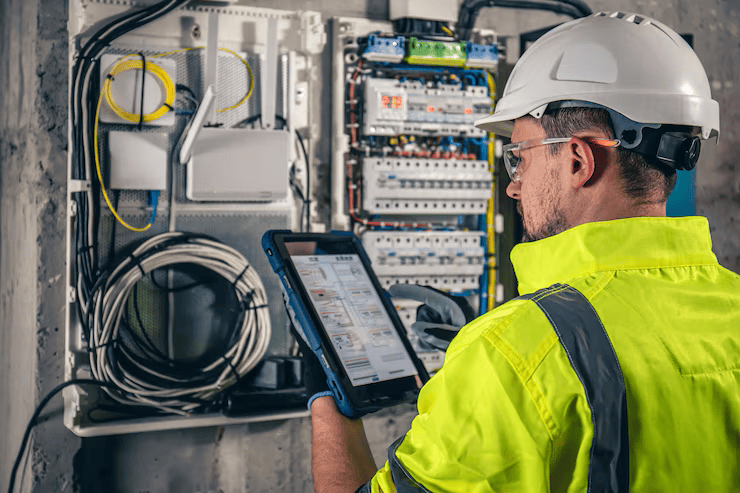
Costs vary depending on your location, the number of RCDs, and whether any remedial work is needed. The table below gives you realistic ranges for 2026.
| Service | Typical Cost Range (AUD) | Notes |
|---|---|---|
| Professional RCD test (home, 2–4 RCDs) | $120 – $250 | Includes documentation |
| RCD test as part of switchboard inspection | $180 – $350 | Often better value; covers more ground |
| RCD replacement (per unit) | $80 – $200 (parts + labour) | Required if unit fails testing |
| Workplace RCD testing (per device) | $8 – $20 per RCD | Volume discounts often available |
| Test register / compliance documentation | Often included | Confirm with your electrician upfront |
These figures are indicative. Metro areas like Sydney, Melbourne, and Brisbane tend to sit at the higher end, while regional areas vary. Always request a written quote before work begins.
Can You Test RCDs Yourself?
Yes — partially. The push-button test is designed for homeowners to perform themselves, and you absolutely should do it every three months. Here’s how:
- Locate your switchboard (usually in the garage, laundry, or on an external wall).
- Identify the RCDs — they’ll have a small “T” or “Test” button on them, distinct from the standard circuit breakers.
- Press the test button firmly. The switch should trip immediately, cutting power to the relevant circuit.
- Reset the RCD by flipping it back to the “on” position.
- Repeat for every RCD in the board.
What you cannot do yourself is the instrument-based test that measures actual trip times and operating currents. That requires a calibrated tester and the training to interpret results accurately. If your push-button test fails — meaning the RCD doesn’t trip — stop using that circuit and call a licensed electrician immediately. A failed push-button test is a serious safety hazard.
Common Mistakes Homeowners Make With RCD Testing
Even well-intentioned homeowners make errors that reduce the effectiveness of their RCD testing routine. Here are the most common ones to avoid:
- Never testing at all: Surveys consistently show a majority of Australian homeowners have never tested their RCDs. Out of sight, out of mind — until something goes wrong.
- Assuming the test button is the only test needed: The push-button test confirms mechanical function only. It does not measure trip time or current sensitivity. Professional testing is still required.
- Ignoring nuisance tripping: If an RCD trips frequently without an obvious cause, that’s a sign of a wiring fault or a failing RCD — not just an annoyance. Get it investigated.
- Not keeping records: Landlords and employers must maintain written test records. No documentation means no compliance, regardless of whether the testing was actually done.
- Delaying replacement after a failed test: An RCD that fails is not providing protection. Every day you delay replacement is a day your household is exposed to risk.
When to Call a Professional
You should call a licensed electrician for RCD testing if any of the following apply:
- It’s been more than two years since a professional test was carried out.
- You’re a landlord preparing for a new tenancy or required by your state’s residential tenancy legislation to provide a current test certificate.
- An RCD fails the push-button test or trips repeatedly without explanation.
- Your switchboard is more than 20 years old and has never been inspected.
- You’ve recently purchased a property and have no records of prior testing.
- You’re a business owner or site manager with workplace health and safety obligations.
The team at SmartPower Electrical carries out professional RCD testing, switchboard inspections, and compliance documentation for homeowners, landlords, and businesses across Australia. If you’re overdue for a test or unsure about the safety status of your switchboard, getting a professional assessment is straightforward and affordable — and it’s far cheaper than the consequences of an electrical incident.
Conclusion
So, how often should RCD testing be done? Every three months using the built-in test button, and every two years by a licensed electrician — more frequently for rental properties and workplaces with specific regulatory obligations. RCDs are not a passive safety feature; they need active maintenance to remain effective.
The push-button test is quick, free, and something every Australian homeowner can do in minutes. The professional test is a modest investment that provides documented assurance your home’s electrical safety is up to standard. Don’t wait for a near-miss to take this seriously.
If you’re unsure whether your RCDs have been properly tested or need a compliance certificate for your rental property, contact SmartPower Electrical to book a professional inspection. It’s one of the simplest, most cost-effective things you can do to protect your home and family.
Frequently Asked Questions
How often should RCD testing be done in a rental property in Australia?
In Australian rental properties, RCDs must be professionally tested every two years by a licensed electrician, with written records kept. Some states also require testing at the commencement of a new tenancy. Check your specific state’s residential tenancy regulations for exact obligations, as requirements vary between New South Wales, Victoria, Queensland, and Western Australia.
What happens if an RCD fails the test?
If an RCD fails either the push-button test or the instrument-based professional test, it must be replaced before the circuit is used again. A failed RCD provides no protection against electric shock or electrical fire. Contact a licensed electrician immediately — do not continue using appliances on that circuit until the device has been replaced and retested.
How often should I press the test button on my RCD?
You should press the test button on every RCD in your switchboard every three months. This confirms the mechanical trip mechanism is functioning. The process takes only a few minutes and is safe for homeowners to perform themselves. Mark it on your calendar to ensure you don’t forget — consistent testing is the key to catching faults early.
How long does an RCD last before it needs replacing in Australia?
Most RCDs have a service life of around 10 to 15 years under normal conditions, though some may fail sooner due to moisture, heat, or electrical surges. Regular testing helps identify degraded units before they fail completely. If your switchboard is more than 15 years old and RCDs have never been replaced, a professional inspection is strongly recommended.
Is RCD testing required by law in Australia?
Yes, in many circumstances. Landlords are legally required to maintain and test RCDs under state tenancy legislation. Workplaces must comply with AS/NZS 3760 and Work Health and Safety Regulations, which mandate regular testing intervals. While owner-occupiers are not subject to the same legal penalties, Australian electrical safety standards strongly recommend routine testing for all residential properties.
How much does RCD testing cost in Australia in 2026?
Professional RCD testing for a typical Australian home costs between $120 and $250, depending on the number of devices and your location. This usually includes documentation. If an RCD needs replacing, expect to pay an additional $80 to $200 per unit for parts and labour. Combining RCD testing with a broader switchboard inspection often provides the best value.