
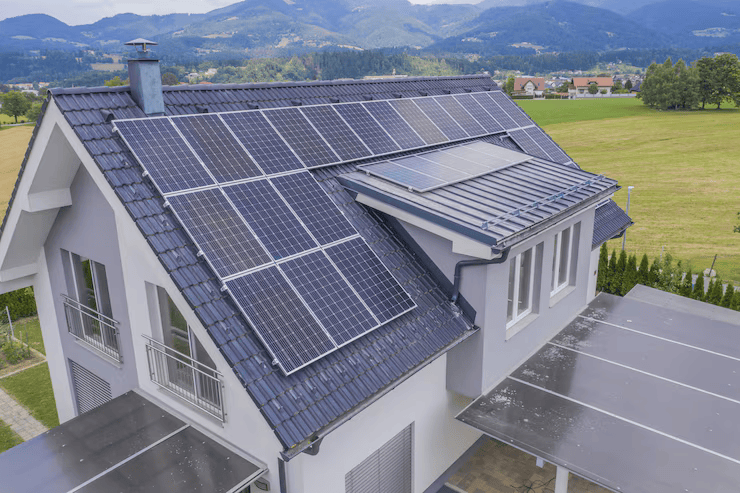
The Short Answer: Do You Need Building Regs for Solar Panels in Victoria?
In most cases, residential solar panel installations in Victoria are exempt from a building permit — but that does not mean they are regulation-free. You still need a licensed electrician, a compliant system design, and grid connection approval. Understanding exactly where the rules apply can save you time, money, and legal headaches before your panels go up.
Why Solar Approvals in Victoria Can Be Confusing
Victoria’s approval framework for solar involves multiple layers — the Building Act, the Electricity Safety Act, local council overlays, and network distributor requirements. These layers often overlap, which is why so many homeowners are unsure about what they actually need before proceeding. It’s not as simple as ordering panels and booking an installer.
The good news is that for the vast majority of standard rooftop solar systems on a typical suburban home, the process is more straightforward than you might expect. The key is knowing which exemptions apply to your property and your system size.
Building Permit Exemptions for Solar Panels in Victoria
Under the Building Regulations 2018 (Vic), solar panels installed on an existing residential roof are generally exempt from requiring a building permit, provided certain conditions are met. These exemptions exist to make renewable energy adoption easier for Victorian households.
To qualify for the standard exemption, your installation typically needs to meet all of the following criteria:
- The panels are mounted flush to the roof or at a low pitch angle (generally no more than 5 degrees above the existing roof pitch)
- The system does not add significant structural load beyond what the roof was designed to carry
- The installation does not alter the building’s footprint or create a new structure
- The property is not subject to a heritage overlay or bushfire management overlay that restricts alterations
- The roof structure itself is in sound condition and does not require modification
If your proposed installation falls outside these conditions — for example, you want a ground-mounted array or a large commercial-scale system — a building permit is likely required. Always check with your local council if you are unsure.
When Do You Need Council or Planning Approval?
Planning permits are a separate matter from building permits, and this is where many Victorian homeowners get caught off guard. If your property sits within a heritage overlay, a significant landscape overlay, or certain bushfire-prone zones, your local council may require a planning permit before any external alterations — including solar panels.
Homes in regional Victoria, particularly those on larger rural blocks or in designated Bushfire Attack Level (BAL) zones, may also face additional requirements. It is worth contacting your local council’s planning department early in the process to confirm your obligations. This one phone call can prevent costly delays down the track.
Electrical Compliance: The Non-Negotiable Part
Regardless of whether a building permit is required, every solar installation in Victoria must comply with electrical safety regulations. This is non-negotiable. The installation must be carried out by a licensed electrician who holds the appropriate solar accreditation under the Clean Energy Council (CEC) guidelines.
Your installer is also responsible for submitting a Notice of Electrical Work to Energy Safe Victoria upon completion. The system must meet AS/NZS 5033 (installation of photovoltaic arrays) and AS 4777 (grid connection requirements). If you are connecting to the grid and claiming the Victorian solar rebate, your system and installer must be CEC-approved — there are no shortcuts here.
For homeowners on the Bellarine Peninsula or surrounding areas, our electrician Bellarine team can walk you through the compliance requirements specific to your property and distributor network.
Do You Need Building Regs for Solar Panels If You’re Adding a Battery?
Adding a battery storage system introduces another layer of considerations. Depending on the battery’s capacity and chemistry, additional safety requirements under the Electricity Safety (installations) Regulations may apply. Some battery systems also require updated switchboard infrastructure to safely manage the additional load and protection requirements.
If your switchboard is older or not rated for a solar-plus-battery setup, upgrades may be necessary before installation can proceed. You can learn more about what’s involved with our switchboard repairs and upgrades service page.
The Victorian Solar Homes Rebate: Compliance Is a Condition
If you are applying for the Victorian Solar Homes rebate in 2026, full regulatory compliance is a condition of eligibility. Your installer must be CEC-accredited, the system must meet all relevant Australian standards, and the installation must be completed correctly the first time. Cutting corners to save money upfront can disqualify you from a rebate worth thousands of dollars.
Residents in the Geelong region and surrounds — from Lara to Newtown — are well placed to take advantage of the current rebate scheme while it remains available. Eligibility conditions and funding rounds do change, so acting sooner rather than later is wise.
When to Call a Professional
If your property has a heritage overlay, sits in a bushfire-prone area, needs a switchboard upgrade, or you are simply unsure whether your roof structure can handle a solar array — call a licensed professional before you commit to anything. Getting the compliance side right from the start protects your investment, your warranty, and your safety.
SmartPower Electrical specialises in solar installations and electrical compliance across Victoria. Whether you need a pre-installation assessment, a compliant grid connection, or guidance on the rebate process, the team at SmartPower Electrical is ready to help. Contact us today to book a consultation and get clear answers for your specific property.
Conclusion
So, do you need building regs for solar panels in Victoria? For most standard residential rooftop installations, a building permit is not required — but electrical compliance, CEC accreditation, and network approval are all mandatory. Heritage overlays, bushfire zones, and battery additions can change the picture significantly, so always verify your specific situation early.
The smartest move you can make in 2026 is to work with a licensed, accredited solar electrician who knows Victoria’s regulatory landscape inside out. That way, your system is safe, compliant, and eligible for every rebate available to you. Reach out to SmartPower Electrical to get started on the right foot.
Frequently Asked Questions
Do you need building regs for solar panels on a heritage-listed property in Victoria?
Yes, almost certainly. Properties with a heritage overlay are typically excluded from the standard solar permit exemptions. You will likely need to apply for a planning permit through your local council, and the design may need to minimise visual impact on the heritage fabric of the building. Always contact your council’s planning department before proceeding.
Can I install solar panels myself in Victoria?
No. All solar panel installations in Victoria must be carried out by a licensed electrician with the appropriate Clean Energy Council (CEC) accreditation. DIY solar installation is illegal, unsafe, and will void any product warranties. It will also disqualify you from the Victorian Solar Homes rebate.
Does adding solar panels affect my home insurance in Victoria?
It can. You should notify your home insurer before installation, as some policies require updates when structural or electrical changes are made to the property. A compliant, professionally installed system is far less likely to cause issues with your insurer than an uncertified one.
How long does the grid connection approval process take in Victoria?
Grid connection approval from your local network distributor (such as Powercor, AusNet, or United Energy) typically takes between five and fifteen business days, though this can vary. Your licensed installer will usually handle this application on your behalf as part of the installation process. For more about what we do, visit our homepage.