
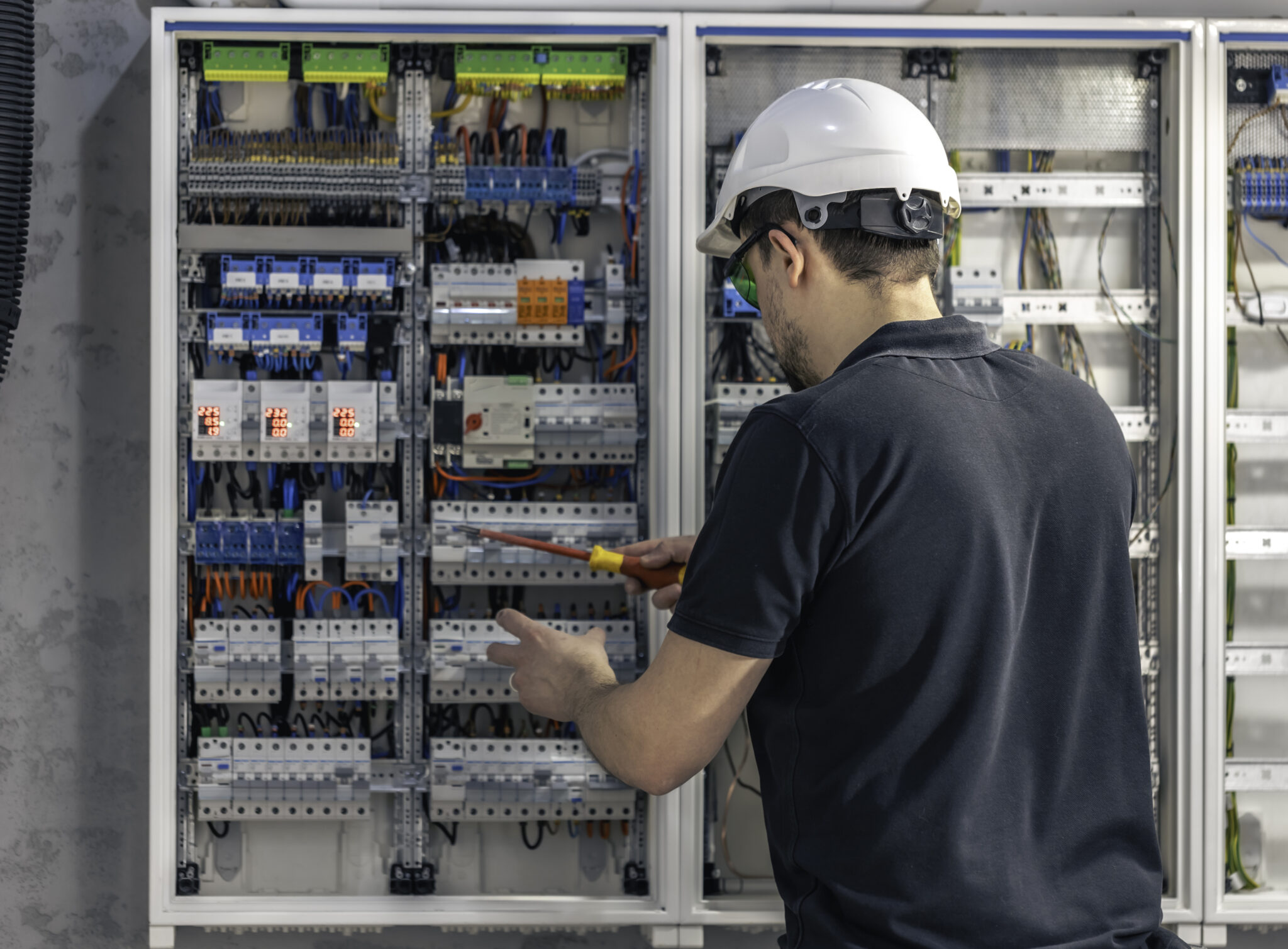
Why does my circuit breaker keep tripping? In most cases, your circuit breaker is tripping because of an overloaded circuit, a short circuit, or a ground fault — and it’s doing exactly what it was designed to do: protect your home from electrical fires and damage. Understanding which cause applies to your situation determines whether you can fix it yourself or need a licensed electrician.
What Is a Circuit Breaker and Why Does It Trip?
A circuit breaker is a safety switch inside your switchboard that automatically cuts power when it detects a fault or excessive current on a circuit. Think of it as your home’s first line of defence against electrical hazards. Unlike an old-style fuse that burns out and needs replacing, a circuit breaker simply trips to the off position and can be reset.
In Australian homes, circuit breakers are installed in the main switchboard — typically located in the garage, laundry, or on an exterior wall. They operate under the Australian wiring standard AS/NZS 3000 (the “Wiring Rules”), which sets strict requirements for how circuits must be protected. When a breaker trips repeatedly, it’s not a nuisance — it’s a warning signal you should take seriously.
The Three Main Reasons Your Circuit Breaker Keeps Tripping
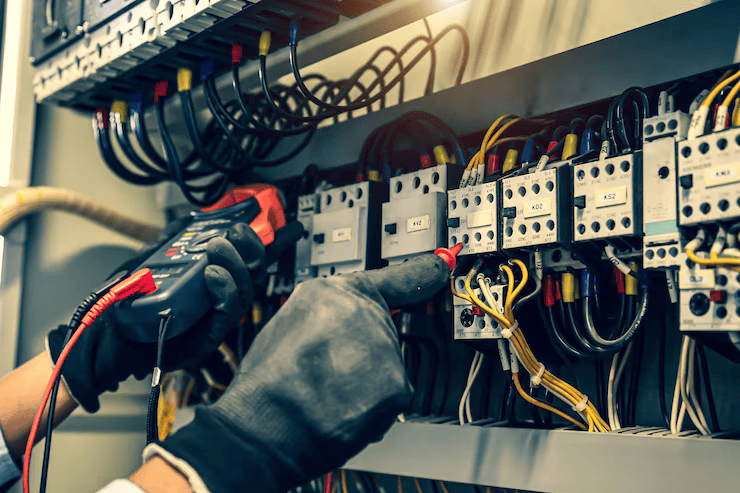
Before you reset that breaker for the fifth time today, it helps to understand exactly what’s causing the problem. There are three primary culprits, and each has a different solution.
1. Overloaded Circuit
This is the most common reason a circuit breaker keeps tripping in Australian homes. An overloaded circuit occurs when you draw more current (measured in amps) than the circuit is rated to handle. A standard 10-amp power circuit, for example, can’t safely run a 2,400-watt electric heater, a microwave, and a toaster simultaneously.
Overloads are especially common in older homes where the original wiring was designed for far fewer appliances than a modern household uses. If your breaker trips when you turn on a specific appliance or run several devices at once, an overload is the likely cause.
2. Short Circuit
A short circuit happens when a live (active) wire touches a neutral wire, creating a low-resistance path that allows a massive surge of current. This can occur inside a faulty appliance, a damaged power cord, or within the wiring itself. Short circuits are more serious than overloads — you’ll often notice a burning smell, scorch marks on a powerpoint, or a loud trip sound.
3. Ground Fault
A ground fault occurs when a live wire contacts a grounded surface — the earth wire, a metal appliance casing, or even a wet surface. Ground faults are particularly dangerous in bathrooms, kitchens, and outdoor areas where moisture is present. In newer Australian homes, safety switches (RCDs — Residual Current Devices) provide additional protection against ground faults, but a circuit breaker will also trip under these conditions.
How Do I Know Which Problem I Have?
Diagnosing the cause before you call anyone can save you time and money. Here’s a straightforward process to work through:
- Identify the tripped breaker. Open your switchboard and look for the switch in the off or middle position.
- Unplug all appliances on that circuit before resetting.
- Reset the breaker by switching it fully off, then back on.
- Plug appliances back in one at a time and switch them on gradually. If the breaker trips when you add a specific device, that appliance is likely faulty.
- Check for visible damage. Look for scorch marks, melted plastic, or a burning smell at powerpoints or appliance plugs.
- If the breaker trips immediately on reset — with nothing plugged in — you likely have a wiring fault that requires a licensed electrician.
If your safety switch (RCD) is tripping rather than the circuit breaker itself, the diagnostic process is similar but the causes can differ. You can learn more about your home’s electrical protection system at SmartPower Electrical, where the team covers both circuit protection and safety switch issues across Australia.
Can I Fix a Tripping Circuit Breaker Myself?
Some steps are absolutely fine for a homeowner to handle — others are strictly off-limits under Australian law. In Australia, electrical work is licensed and regulated in every state and territory. Performing unlicensed electrical work is illegal, voids your home insurance, and can be genuinely life-threatening.
What you CAN do yourself:
- Unplug appliances and redistribute loads across different circuits
- Test individual appliances to identify a faulty device
- Reset a tripped breaker (once, safely, after unplugging devices)
- Replace a faulty appliance or power board
- Check that extension leads and power boards aren’t overloaded
What requires a licensed electrician:
- Any work inside the switchboard
- Adding a new circuit or upgrading an existing one
- Replacing a faulty circuit breaker
- Investigating wiring faults behind walls or in the ceiling
- Installing additional powerpoints to redistribute load
The relevant safety authority in your state — for example, Energy Safe Victoria or Electrical Safety Office Queensland — enforces these rules. You can review the national framework through the Energy Safety WA website, which outlines what constitutes licensed electrical work under Australian regulations.
How Much Does It Cost to Fix a Tripping Circuit Breaker in Australia?
Costs vary depending on the underlying cause, your location, and whether the work is straightforward or requires fault-finding. Below is a realistic guide to what Australian homeowners typically pay in 2026.
| Type of Work | Typical Cost Range (AUD) | Notes |
|---|---|---|
| Electrician call-out fee | $80 – $150 | Varies by location and time of day |
| Circuit breaker replacement | $150 – $350 | Includes labour and parts |
| Fault finding / diagnosis | $150 – $400+ | Higher if wiring is concealed or complex |
| Adding a new circuit | $400 – $900 | Depends on cable run length |
| Switchboard upgrade | $1,200 – $3,500+ | Required for older homes with outdated boards |
| Wiring repair (short circuit) | $300 – $1,500+ | Highly variable — access difficulty is the key factor |
These are indicative ranges only. Always request a written quote before work begins. After-hours or emergency call-outs will attract higher rates, typically 50–100% above standard rates.
Common Mistakes Australians Make With a Tripping Breaker
A few bad habits can turn a minor electrical issue into a serious hazard. Here’s what to avoid:
- Repeatedly resetting without investigating. If a breaker trips more than once, there’s an underlying fault. Resetting it over and over doesn’t fix anything — it just delays the inevitable and increases risk.
- Replacing a breaker with a higher-rated one. This is extremely dangerous. If a 10-amp circuit keeps tripping, fitting a 20-amp breaker doesn’t solve the problem — it removes the protection and can cause a fire.
- Ignoring a burning smell. Any smell of burning plastic or electrical odour near your switchboard or powerpoints is an emergency. Turn off the power and call an electrician immediately.
- Overloading power boards. Daisy-chaining power boards (plugging one into another) is a leading cause of overloads and fires in Australian homes.
- Assuming old wiring is fine. Homes built before the 1980s may have wiring that simply wasn’t designed for modern electrical loads. If you’re in an older property and your breaker trips regularly, a switchboard assessment is worthwhile.
When to Call a Professional
You should call a licensed electrician without delay if any of the following apply to your situation:
- The breaker trips immediately after being reset, even with nothing plugged in
- You can smell burning or see scorch marks near powerpoints or the switchboard
- The breaker feels warm or hot to the touch
- Multiple breakers are tripping at the same time
- The problem started after recent renovation or building work
- You have an older home with a fuse box rather than a modern switchboard
- You’ve identified a faulty appliance but the breaker still trips after removing it
These are not situations to delay on. Electrical faults are a leading cause of house fires in Australia, and early intervention is always cheaper and safer than waiting. The team at SmartPower Electrical provides fault-finding, switchboard inspections, and circuit upgrades — contact them for a professional assessment if your breaker keeps tripping and you can’t identify a clear cause.
Conclusion
Why does my circuit breaker keep tripping? The answer almost always comes down to an overloaded circuit, a short circuit, or a ground fault — and your breaker is doing its job by protecting your home. Start with the basics: unplug your appliances, identify the offending device, and redistribute your electrical loads where possible.
If the problem persists, don’t ignore it or work around it. Australian electrical regulations exist for good reason, and unlicensed work puts your home, your family, and your insurance at risk. For anything beyond a simple load redistribution, reach out to SmartPower Electrical for qualified, professional advice you can trust.
Frequently Asked Questions
Why does my circuit breaker keep tripping with nothing plugged in?
If your circuit breaker trips immediately after resetting, even with nothing plugged in, you almost certainly have a wiring fault — such as a short circuit or damaged insulation within the circuit itself. This is not a DIY fix. You need a licensed electrician to locate and repair the fault before using that circuit again.
Is it dangerous if my circuit breaker keeps tripping?
A breaker that trips occasionally is doing its job, but one that trips repeatedly is signalling an underlying problem that can be dangerous. Persistent tripping can indicate faulty wiring, an overloaded circuit, or a failing breaker. Left unaddressed, these issues can lead to electrical fires or electrocution — so repeated tripping should always be investigated promptly.
How much does it cost to fix a tripping circuit breaker in Australia?
In Australia, fixing a tripping circuit breaker typically costs between $150 and $400 for straightforward repairs like replacing a faulty breaker or identifying a defective appliance. More complex wiring faults or switchboard upgrades can range from $600 to over $3,500. Always get a written quote from a licensed electrician before work begins.
Can I reset my circuit breaker myself in Australia?
Yes, resetting a tripped circuit breaker is something you can safely do yourself — simply switch it fully to the off position, then back on. However, you must unplug appliances first and investigate the cause. If the breaker trips again, or if you notice any burning smell or scorch marks, stop and call a licensed electrician immediately.
Why does my circuit breaker keep tripping at night in Australia?
Breakers that trip at night are often linked to appliances that run on timers or cycles — such as air conditioners, pool pumps, or hot water systems — starting up and overloading the circuit. It can also indicate a fault that worsens as wiring heats up during the day. An electrician can perform a load test to identify the exact cause.
How do I stop my circuit breaker from tripping in an older Australian home?
In older Australian homes, the most effective long-term solution is a switchboard upgrade that replaces outdated fuses with modern circuit breakers and installs RCD safety switches. In the short term, redistribute high-draw appliances across different circuits and avoid using multiple high-wattage devices simultaneously. A licensed electrician can assess your specific situation and recommend the right upgrade path.