
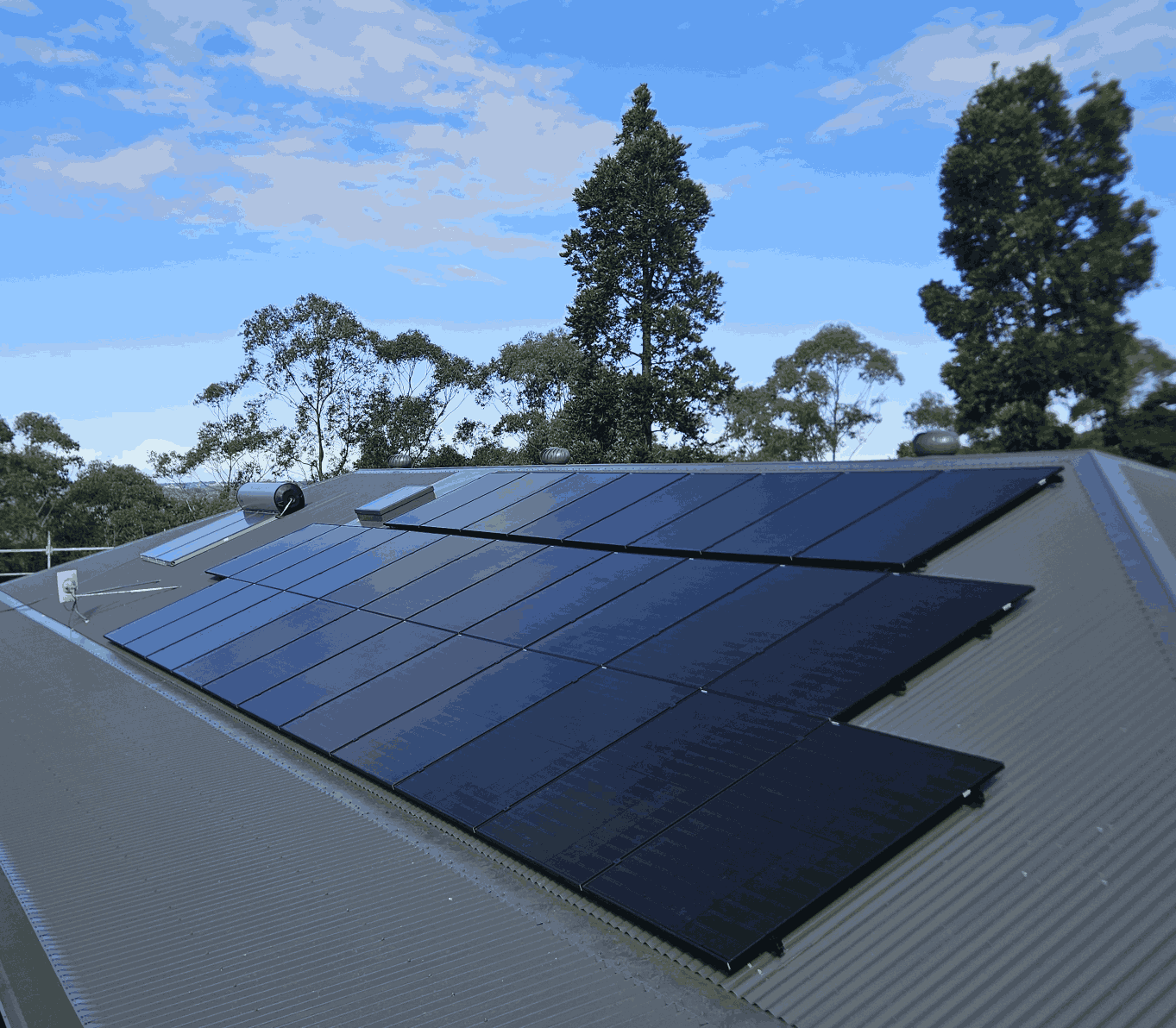
Where Should You Keep a Solar Battery in Your Geelong Home?
The best place to keep a solar battery is a cool, dry, well-ventilated indoor or undercover location — away from direct sunlight, heat sources, and living areas. For Geelong homeowners, this typically means a garage, dedicated utility room, or a purpose-built outdoor enclosure that meets Australian safety standards. Getting this decision right from the start protects your investment and your family.
Why Battery Placement Matters More Than You Think
Your solar battery storage system is a significant financial investment — often $8,000 to $15,000 or more when installed. But placement isn’t just about protecting your wallet. Lithium-ion batteries, the most common type used in residential solar storage today, are sensitive to temperature extremes and require adequate airflow to operate safely and efficiently.
Geelong’s climate throws everything at you — scorching summer days pushing past 40°C, cold and damp winters, and salty coastal air if you’re near Corio Bay or the Bellarine Peninsula. All of these environmental factors directly affect battery performance, lifespan, and safety. A poorly placed battery can degrade years faster than expected, or worse, become a hazard.
The Best Place to Keep Solar Battery: Top Location Options
Not every home is the same, so let’s break down the most common placement options and how they stack up for Geelong properties.
1. Garage or Carport (Most Popular Choice)
A garage is the most popular choice for Australian homeowners, and for good reason. It’s sheltered from direct weather, reasonably well-ventilated, and typically close enough to your switchboard to keep cable runs short and costs down. Most modern battery systems like the Tesla Powerwall or BYD battery range are rated for garage installation. Just ensure your garage doesn’t get excessively hot in summer — if it regularly hits above 45°C, you may need to consider additional ventilation or insulation.
2. Dedicated Utility or Laundry Room
An internal utility room offers excellent temperature stability, which is ideal for battery longevity. However, Australian Standard AS/NZS 5139:2019 — the key standard governing battery installations — requires that batteries installed indoors meet strict ventilation and separation requirements. Your installer must ensure there’s adequate airflow and that the battery is separated from ignition sources.
3. Purpose-Built Outdoor Enclosure
Some battery systems come with weatherproof outdoor enclosures rated to IP55 or higher, making them suitable for external wall mounting. This can be a great option if your garage space is limited. However, in Geelong, you’ll want to ensure the enclosure is positioned on a south or east-facing wall to avoid prolonged direct sun exposure during summer afternoons. Coastal suburbs like the Bellarine Peninsula also need to factor in salt air corrosion when choosing enclosure materials.
4. Under-Stair or Basement Spaces
These areas can work, but they often lack adequate ventilation and can be prone to moisture. Unless a qualified electrician assesses and confirms the space meets AS/NZS 5139:2019 requirements, it’s best to avoid these locations.
Locations You Should Absolutely Avoid
Knowing where NOT to install your battery is just as important. Here are the locations you must steer clear of:
- Direct outdoor sun exposure — sustained heat above 50°C can cause thermal runaway in lithium-ion cells
- Next to your hot water system or gas appliances — heat and ignition sources are a serious safety risk
- Inside bedrooms or living areas — AS/NZS 5139:2019 prohibits installation in occupied rooms in most configurations
- Unventilated garden sheds — poor airflow and extreme temperature swings reduce battery lifespan dramatically
- Flood-prone areas — especially relevant for properties near low-lying parts of Geelong’s western suburbs
Temperature and Ventilation: The Two Non-Negotiables
Most residential lithium battery systems operate optimally between 15°C and 35°C. Outside this range, you’ll see reduced charge efficiency and accelerated cell degradation. In Geelong’s summer, even a shaded garage can exceed this upper limit on extreme heat days — so cross-ventilation or a small exhaust fan can make a meaningful difference.
Ventilation also serves a safety function. While lithium batteries don’t off-gas under normal conditions the way older lead-acid batteries do, any fault condition can release gases that need somewhere to go. Your installer should always factor this into the design. You can find further guidance on battery storage safety through the Victorian Government’s solar and battery resource page.
How Geelong’s Housing Styles Affect Your Options
Geelong has a wonderfully diverse housing stock — from Federation-era weatherboards in Newtown and Manifold Heights to modern double-storey homes in Armstrong Creek and Lara. Older homes often have limited garage space or no garage at all, which means your installer needs to think creatively about placement. Newer estates typically offer a dedicated utility room or double garage with ample wall space.
If you’re in an older suburb and unsure about your options, speaking with a local electrician who knows Geelong’s housing styles is invaluable. The team at SmartPower Electrical in Lara regularly works with homeowners across the region to find practical, code-compliant placement solutions that suit the property.
When to Call a Professional
Battery placement is not a DIY decision. Under Australian law, solar battery systems must be installed by a licensed electrician with the appropriate accreditation — and for good reason. An incorrect installation can void your warranty, breach your home insurance, and create serious safety risks.
You should call a professional if you’re unsure whether your chosen location meets AS/NZS 5139:2019 requirements, if you’re retrofitting a battery to an existing solar system, or if your switchboard needs an upgrade to accommodate the new load. SmartPower Electrical offers expert battery installation and switchboard assessments across Geelong and surrounds — contact the team today to get a site assessment before you commit to a location.
Conclusion
Choosing the best place to keep solar battery storage in your Geelong home comes down to four key factors: temperature stability, ventilation, proximity to your switchboard, and compliance with AS/NZS 5139:2019. A garage or sheltered utility room is usually your best starting point, but every property is different — especially across Geelong’s varied housing landscape.
Don’t leave this decision to chance. A correctly placed battery will perform better, last longer, and keep your household safer for years to come. Reach out to SmartPower Electrical for professional advice tailored to your specific home and suburb.
Frequently Asked Questions
Can I install a solar battery outside in Geelong?
Yes, provided the battery unit has a suitable IP (Ingress Protection) rating for outdoor use — typically IP55 or higher. The location must avoid prolonged direct sun exposure and comply with AS/NZS 5139:2019. A licensed electrician should assess the site before installation.
How hot is too hot for a solar battery?
Most residential lithium-ion batteries should not be exposed to sustained temperatures above 45–50°C. Geelong’s summer heat can push unventilated garages close to this threshold on extreme days, so adequate ventilation is essential for protecting your battery’s performance and lifespan.
Does battery placement affect how much energy I can store?
Yes — temperature directly affects a battery’s usable capacity. A battery operating in consistently high temperatures will deliver less usable energy per cycle and degrade faster over time. Keeping your battery in a cool, stable environment helps you get the most out of every charge cycle.
Do I need council approval to install a solar battery in Geelong?
In most cases, residential solar battery installations in Geelong do not require separate council planning approval, but they must comply with the National Construction Code and AS/NZS 5139:2019. Your licensed installer will handle the necessary electrical safety notifications with Energy Safe Victoria on your behalf. For more about what we do, visit our homepage.