
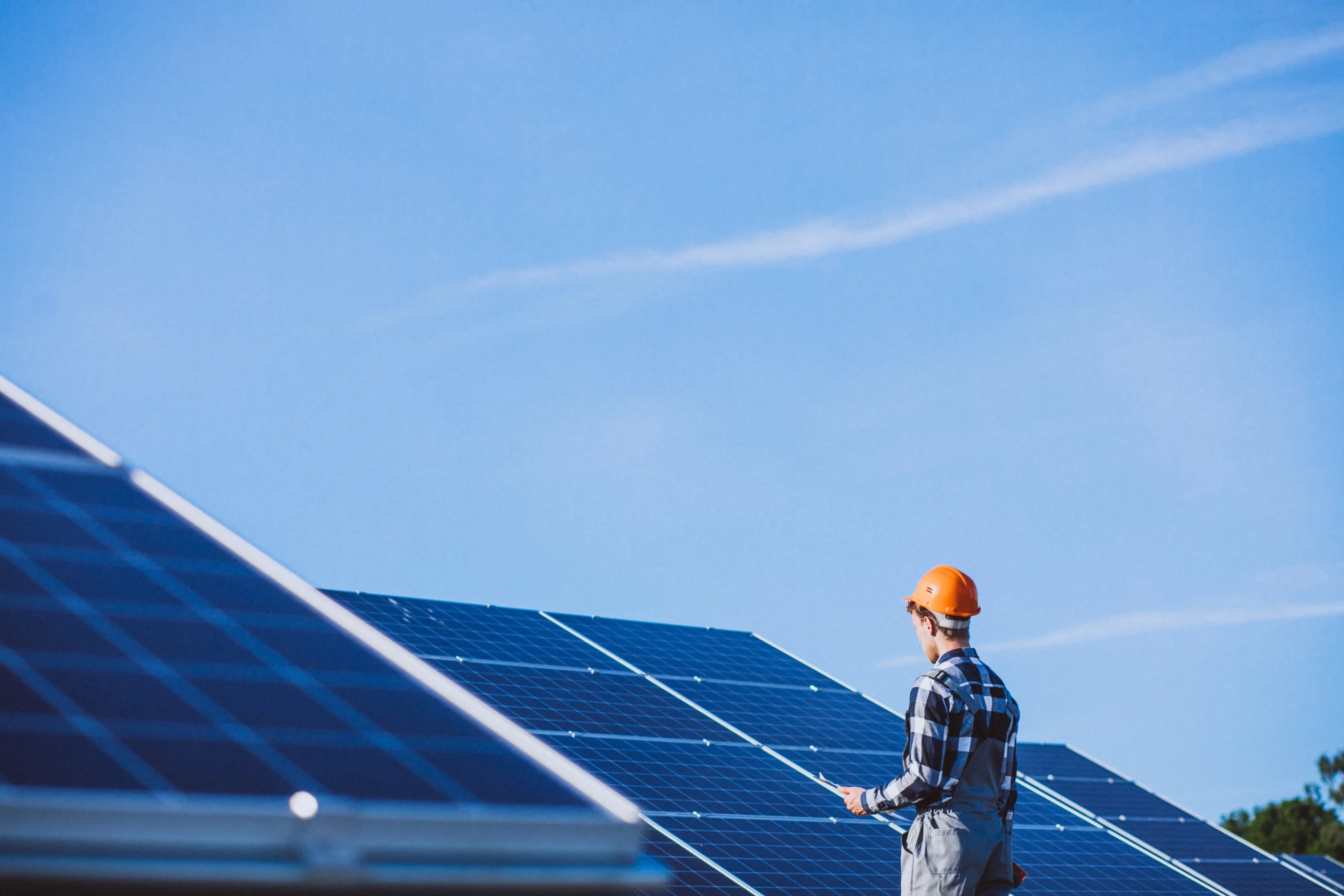
Can You Really Clean Solar Panels Without Getting on the Roof?
Knowing how to clean solar panels from the ground is one of the most practical skills a Victorian homeowner can have. Yes — with the right tools and technique, you can effectively remove dust, bird droppings, pollen, and grime without ever stepping onto your roof. Done correctly, ground-level cleaning is both safe and surprisingly effective for most residential systems.
Why Clean Solar Panels Matter in Victoria
Victoria’s climate throws a lot at your solar panels. From summer bushfire smoke drifting across the Bellarine Peninsula to autumn pollen bursts and the dusty northerly winds that sweep through regional areas, your panels cop a beating year-round. Even a thin layer of grime can reduce energy output by 15–25%, according to industry benchmarks.
If your electricity bill has crept up or your inverter’s generation readings seem lower than usual, dirty panels are often the culprit. Regular cleaning helps you get the most from your investment and extends the working life of your system.
How Often Should You Clean Your Solar Panels?
For most Victorian homes, cleaning your panels every three to six months is a solid starting point. However, a few factors might mean you need to clean more frequently:
- You live near farmland, a main road, or a construction site where dust accumulates quickly
- Your property has large trees overhead, increasing leaf litter and bird activity
- Your panels are installed at a low tilt angle (under 10°), meaning rain doesn’t wash them as effectively
- You’ve recently experienced a bushfire smoke event or heavy pollen season
- Your monitoring system shows an unexplained dip in daily generation
A quick visual check from the ground every month takes only a few minutes and can save you real money on lost generation.
How to Clean Solar Panels from the Ground: Step-by-Step
The good news is that you don’t need expensive equipment to do this properly. Here’s a straightforward method that works well for standard residential rooftop systems across Victoria.
What You’ll Need
- A soft-bristle brush or microfibre pad on an extendable pole (at least 4–6 metres for most single-storey homes)
- A garden hose with an adjustable nozzle or a purpose-built solar panel cleaning kit
- Clean, lukewarm water (avoid hot water, which can cause thermal shock to the glass)
- A mild, non-abrasive soap if needed — though plain water handles most jobs
The Cleaning Process
- Choose the right time of day. Early morning or late afternoon is ideal. Cleaning panels when they’re hot from direct midday sun can cause water to evaporate too quickly, leaving streaks or mineral deposits.
- Rinse first. Use your hose on a gentle setting to loosen surface dust and debris. Don’t use a high-pressure washer — the force can damage panel seals and void your warranty.
- Scrub gently. Attach your soft brush to the extendable pole and work in long, even strokes across the panel surface. Apply light pressure only — you’re removing dust, not stripping paint.
- Rinse again. Flush away any remaining soap or loosened grime with clean water, working from the top of the array downward.
- Let them air dry. There’s no need to wipe them down. The panels will dry naturally, and any minor streaking from tap water minerals will have minimal impact on performance.
What to Avoid
Never use abrasive cloths, steel wool, or harsh chemical cleaners on your panels. These can scratch the anti-reflective coating and permanently reduce efficiency. Also avoid directing water at the underside of panels or around the junction boxes, as moisture intrusion can cause serious electrical faults.
If your home is connected to a rainwater tank, using tank water for rinsing is a great low-mineral option that reduces the chance of water spots. For more information on safe electrical practices around solar systems, the Australian Government’s energy guidance for households is a useful reference point.
Tools That Make Ground-Level Cleaning Easier
The solar cleaning tool market has grown significantly, and there are some genuinely useful products available from Australian hardware retailers. Look for extendable water-fed poles, which connect directly to your garden tap and deliver water through the brush head — these make rinsing and scrubbing a single-step process and are particularly handy for two-storey homes.
If you’re in the Geelong region and want advice tailored to your specific roof pitch and panel layout, the team at SmartPower Electrical’s Lara service area can point you in the right direction. Homeowners across the Bellarine Peninsula often deal with salt-laden coastal air, which makes regular rinsing especially important to prevent corrosive residue building up on panel frames.
When to Call a Professional
Ground-level cleaning works well for routine maintenance, but there are situations where it’s safer and smarter to bring in a qualified professional. If you notice cracked glass, discoloured cells, loose wiring, or any signs of physical damage during your visual inspection, do not attempt to clean or touch the panels yourself.
Similarly, if your system is on a steep roof, a multi-storey home, or in a position that’s difficult to reach safely from the ground, roof access should be left to trained technicians with the correct safety equipment. Working at height without proper training is one of the leading causes of serious injury in Australia.
The team at SmartPower Electrical provides professional solar system inspections, fault diagnosis, and maintenance across Victoria. If you’re unsure about the condition of your system or want a thorough professional clean and check, get in touch with SmartPower Electrical today for expert, friendly advice.
Conclusion
Understanding how to clean solar panels from the ground is a straightforward skill that can meaningfully improve your system’s output and protect your investment. Use an extendable soft brush, clean water, gentle pressure, and clean during cooler parts of the day for the best results. Avoid harsh chemicals, pressure washers, and anything abrasive.
For Victorian homeowners dealing with coastal salt air, bushfire smoke, or heavy dust exposure, more frequent cleaning pays dividends. And when in doubt — or when you spot something that doesn’t look right — don’t hesitate to call a licensed professional. A well-maintained solar system is one of the best long-term investments your home can have.
Frequently Asked Questions
Is it safe to clean solar panels yourself from the ground?
Yes, cleaning solar panels from the ground is generally safe provided you use appropriate tools like an extendable pole and a soft brush, and you avoid directing water into electrical components or junction boxes. Never climb onto the roof without proper safety equipment and training.
Can I use a pressure washer to clean my solar panels?
No — pressure washers are not recommended for solar panels. The high-pressure stream can damage the panel seals, dislodge frame components, and potentially void your manufacturer’s warranty. A standard garden hose on a gentle setting is all you need.
Will rain keep my solar panels clean enough on its own?
Light rain can wash away some surface dust, but it rarely removes bird droppings, sticky pollen, or oily residue from bushfire smoke. Panels installed at a low tilt angle are particularly prone to build-up because rainwater doesn’t sheet off effectively. Manual cleaning every three to six months is still recommended for most Victorian homes.
How do I know if my solar panels need cleaning?
The clearest sign is a noticeable drop in your system’s daily energy generation compared to similar weather conditions in previous weeks or months. Most modern inverters have monitoring apps that make this easy to track. A visual inspection from the ground — looking for visible dust, bird droppings, or debris — is also a quick and reliable check.