
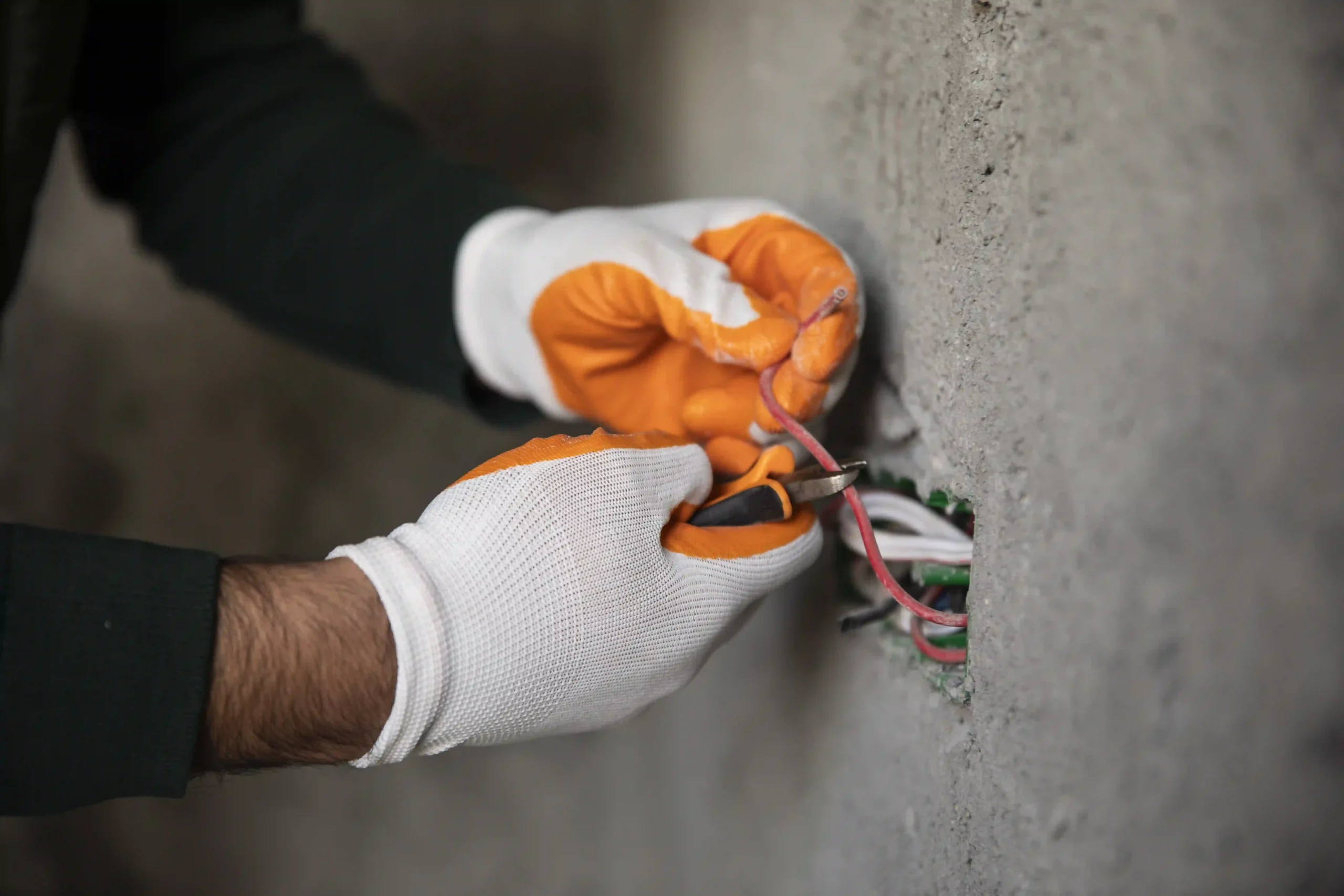
Imagine settling in on the couch after a long day, only to see the lights flicker and hear a faint crackle from the wall. You might wonder: Is it time for electrical rewiring in my Geelong home? Electrical rewiring can be daunting to think about, but understanding the warning signs and requirements can make it less mysterious (and a lot safer!).
In Victoria, rewiring isn’t just a matter of convenience – it’s often a safety issue and legal requirement. Let’s walk through when electrical rewiring in Geelong becomes necessary, why it matters, and what to expect. We’ll keep it casual (no jargon!), but pack in the facts, local tips, and even a dose of humor so you don’t feel like you’re reading a manual.
Warning Signs: When to Start Thinking About Rewiring
Old wiring, such as a vintage fuse panel, can pose hidden risks in older Geelong homes. An inspection might reveal outdated cables and switchboards.
Here are some clear red flags that your property may need a wiring overhaul:
- Age of the Home: If your Geelong property was built before the 1980s, chances are it has old wiring (think cloth insulation, knob-and-tube, or aluminum cables). Many local homes still have original wiring up to 90 years old. Even if it “seems fine” now, ageing insulation degrades and can hide serious hazards.
- Flickering or Dimming Lights: Ever noticed the lights flicker when the kettle boils? That could signal overloaded circuits or loose connections. Flickering bulbs and dimming lamps are classic signs that the wiring can’t keep up.
- Frequent Breaker Trips or Blown Fuses: If your safety switches or fuses trip often, it means a circuit is being overloaded or shorting out. It’s nature’s way of saying “Stop – something’s wrong!” Repeated trips mean the wiring or appliances are beyond their safe limit.
- Burning Smells or Buzzing Noises: Never ignore a burning smell near an outlet or the eerie sound of a hum or crackle from an outlet or switch. These are classic “smoke alarm” moments – literally signs of overheating or arcing wires. Faulty or frayed wires can spark fires.
- Discolored or Warm Outlets/Switches: If plug sockets are scorched, yellowing, or feel warm, stop using them. Loose or degraded connections inside can heat up dangerously. A cozy home doesn’t mean toasty outlets!
- Sparking or Shocks: Any sparking when you plug in an appliance, or a small shock when touching a switch or appliance, is a warning. Modern wiring standards are meant to prevent that (a safety switch/RCD would shut it off). Sparks are stress-failures in the system.
- Outdated Panels (Fuse Boxes): If you still have ceramic fuses or a wooden switchboard with screw-in fuses, the building code has passed you by. Most Geelong homes built pre-1990 have these old boards. They lack the modern Circuit Breakers and safety switches (RCDs) required today. Upgrading those often goes hand-in-hand with a rewire.
- Irregular Electrical Behavior: Lights that only work sometimes, outlets that seem loose, or gadgets that behave erratically can all point to dodgy wiring. Appliances should work without drama – if they don’t, trust your gut.
In a nutshell, old, overloaded, or improperly installed wiring is flirting with disaster. Rewiring is usually done to comply with the current safety code (the AS/NZS 3000 Wiring Rules) and to replace worn materials. It’s proactive insurance: better to renew your wiring now than to explain to your insurer why you were reluctant to rewire after a fire. (In fact, insurers may deny a claim if outdated wiring caused a blaze.)
Understanding Regulations and When a Rewire Is Required
Before diving deeper, remember: all electrical installation work in Victoria must be done by a licensed electrician. This includes rewiring, repairs, and even most upgrades. It’s illegal (and dangerous) to do your own house rewiring.
Your electrician will follow AS/NZS 3000:2018 (the Wiring Rules) and the Victorian Electrical Safety Act. When rewiring, they will also issue a Certificate of Electrical Safety (COES) to show the new wiring meets the law.
What triggers rewiring in practice? Often it’s a renovation or addition. If you’re giving the house a makeover – say renovating a kitchen or adding on a room – the added circuits or power demands may force you to rewire parts of the home.
Geelong’s local rules mean significant electrical work requires an inspection and a COES. For example, adding a new kitchen circuit, installing a bigger oven, or putting in air-conditioning generally means rewiring or at least upgrading parts of the system.
Here’s what the experts say: “In Victoria, all electrical installation work must comply with AS/NZS 3000:2018 (the Wiring Rules) and be carried out by a licensed electrician”. In other words, even if you’re just switching out the old light switches for new ones or running extra cables for a new ceiling fan, an electrician logs that with Energy Safe Victoria (ESV) and gives you a COES as legal proof.
Safety switches (RCDs) and smoke alarms are important here too. By law, any new or rewired circuits must have RCDs on all lighting and power circuits. These cut power in milliseconds if a fault is detected. If your old switchboard has no RCDs (common in Geelong’s older homes), you’ll get them during a rewire or panel upgrade.
Likewise, if a renovation requires a building permit, Vic legislation forces you to upgrade to interconnected photoelectric smoke alarms (AS 3786:2014) throughout the house. No skimping – it’s a mandatory safety install.
In practice, this means many Geelong homeowners discover they must rewire something when they tackle electrical work. If you plan to install things like a home EV charger, new oven, extra air conditioner, or even extensive lighting (downlights or outdoor lighting), your load is up, so the wiring and switchboard must be assessed.
For example, “if your home still has a ceramic fuse board, or if your renovation will add significant new electrical loads… your switchboard will likely need upgrading”. A rewire at this stage brings everything up to current code.
Finally, note that even emergency electrical repairs can hint at the need for a larger fix. If you’ve had an Emergency Electrician in Geelong out for a sudden power loss or live wire, the first job might be to patch it up. But any time the underlying wiring is questionable, a good electrician will likely recommend a full inspection. Sometimes they find that the quick fix is just a band-aid on an aging system.
What’s Involved, and How Much It Costs
By now you know why you might need rewiring. But what does rewiring involve? Think of it as a careful renovation of your electrical “skeleton”. The electrician will remove old cables (often behind walls and above ceilings) and replace them with new copper TPS wiring that meets AS/NZS 3000.
Every outlet and light circuit is updated, tested, and brought up to modern standards. During this work, your switchboard is almost always replaced or upgraded to a modern consumer mains board with safety switches. In fact, the old switchboard is usually swapped out because older boards didn’t have enough space or the required RCDs.
Expect rewiring a typical 2–3 bedroom single-storey home to take about 5–7 days, often with a crew of two electricians on the job. (Yes, it’s a big job – the power stays off while they work.) They’ll take care of switchboard replacement, installing all mandatory safety switches (RCDs), possibly new meters, and then connecting all the new circuits. They’ll patch or re-plaster walls after fishing cables, so try not to freak out at the mess – it’s normal for a full rewire.
How much will it set you back? Rewiring is not cheap (because it’s a full system overhaul), but the safety payoff is immense. Australian estimates range widely depending on home size and complexity. For a small house, the ballpark is $1,500–4,000. Medium to large homes often run $4,000–10,000+ (and higher for older or awkward builds).
Another reputable Melbourne source cites about $7,000–10,000 for a basic 2-bedroom home and $10,000–20,000 for a 3–4 bedroom house. Spacious double-storey homes or those with brick walls can climb to $15,000–25,000 or more. It all depends on size and tricky factors like long cable runs or inaccessible ceilings.
| Work | Estimated Cost (AUS) |
|---|---|
|
2‑bedroom house (single storey) |
~$7,000 – $10,000 |
| 3–4 bedroom house (single/double storey) |
~$10,000 – $20,000 |
|
Very large or complex homes |
~$15,000 – $25,000+ |
| Switchboard upgrade |
~$1,300 – $2,000 |
Remember, you’re not just paying for wire; you’re paying for licensed electricians and compliance. In Victoria, the electrician must lodge a Certificate of Electrical Safety with Energy Safe Victoria (the regulator) after the job. That means you get a legal guarantee that the work was done right. The COES filing fee (set by ESV) is often just $30–$60 (covered by your electrician). The biggest cost is labour – electricians here charge roughly $100–120 per hour, and with 5-7 days of labour plus materials, that’s the bulk of the bill.
It’s wise to get multiple quotes and a clear scope. Be sure quotes include: replacing the entire wiring system, a new switchboard with RCDs, mandatory safety devices, testing, and the COES. If you’re adding new fixtures (like downlights, ceiling fans, outdoor lighting, or preparing for an EV charger installation), let the electrician know so they can plan that into the rewire.
In fact, bundling in upgrades (lighting installation, ceiling fan circuits, etc.) while the walls are open can save money versus doing them piecemeal later. Pro tip: Often a new switchboard installs a few extra empty slots for future circuits (handy for an EV charger install or bigger aircon later). It’s a small extra upfront for big convenience later.
Modernizing Safety: Switchboards, RCDs and Smoke Alarms
By now you know rewiring isn’t just about wires – it’s about modernizing your home’s electrical brain and nerve endings. A key part of that is the switchboard upgrade. Most older Geelong homes had simple fuse boxes (or very basic breaker panels).
Rewiring time is almost always when you ditch that old box for a new consumer mains with circuit breakers and RCD safety switches. Installing a modern switchboard (with life-saving RCDs on every circuit) typically costs about $1,300–$2,000. This protects you from electrocution and fire far better than old boards did.
Safety Switch (RCD) Installation: In case you didn’t know, an RCD (Residual Current Device) is that “mystery switch” that trips when a fault is detected. Victoria law now requires RCDs on all lighting and power circuits in new or rewired homes.
So your electrician will install those with the new panel. Think of them as super-fast circuit breakers – they cut power in milliseconds if something goes wrong. Every modern installation in your house must have these, and they often make rewiring worth it for peace of mind.
Smoke Alarm Upgrades: If your rewiring is part of a renovation that needed a building permit, you must upgrade your smoke alarms. Victorian legislation requires interconnected photoelectric smoke detectors (compliant with AS 3786:2014) in all bedrooms, hallways, and living areas whenever you alter the wiring.
Even if you’re not doing a big renovation, rewiring is a great time to bring in the latest smoke alarms. (Hint: interconnected means all go off if one detects smoke – a life-saving feature.) A good rule: if you’re rewiring, ask your electrician to do a smoke alarm install while they’re at it. It’s usually cheap relative to the whole job.
Switchboard Repairs vs Replacement: Sometimes a partial fix is possible (repairing a few circuits), but with rewiring it’s almost always full replacement of the old board. That way, you get all the benefits of new safety gear and extra capacity at once.
Ultimately, rewiring isn’t just about wires; it’s an opportunity to modernize everything: new switchboard, RCDs, smoke alarms, and additional circuits for future needs (like EV charging or new rooms).
Your Geelong electrician will likely advise on upgrading other fixtures too – for example, if you’re adding ceiling fans, downlights, or outdoor lighting, they’ll ensure wiring is adequate and safe. Even simple electrical installations or repairs (like adding an outlet or fixing faulty wiring) will be more reliable after the rewire.
Next Steps: Getting Help and Moving Forward
If reading all this has you nervous, remember – you’re not alone and this work needs to be done by the pros. The first step is to call a licensed Electrician in Geelong. A good electrician will inspect your home’s wiring and give honest advice. They’ll identify exactly which circuits or panels need rewiring and can provide a clear quote.
If it’s urgent (sparks, repeated shocks, serious breaker trips), call an Emergency Electrician in Geelong. Many electricians offer 24/7 Emergency Electrical Services for dangerous situations. But even in emergencies, the fix often involves stabilizing things first and then planning any needed rewiring as soon as possible.
During planning, consider whether you’ll piggyback any upgrades: for instance, installing downlights, extra outdoor lighting, ceiling fans, or future wiring (like for an EV charger). These can usually be incorporated more cheaply during a full rewire, since walls and ceilings are already open.
Keep in mind, rewiring will cause some disruption: you’ll lose power while it’s done, and there will be patches needed in walls. Plan to stay elsewhere for a night or two if possible (your electrician can often do the bulk work over 2-3 days). Make sure to back up any sensitive devices (they should all be unplugged anyway) and have an alternative power source if you need it (like a generator for a fridge).
Finally, ask the electrician about the Certificate of Electrical Safety (COES). In Victoria, this legal document is required for rewiring work. It goes on record with Energy Safe Victoria and proves the job meets the code.
Without it, the work is considered unregistered and could even void your insurance in an incident. A reputable electrician will include this as part of the quote (it’s usually a small fee of about $30–$60 for them to lodge, which they pass on).
Rewiring is a big step, but it’s ultimately about safety, reliability and peace of mind. You’re investing in your home’s electrical health. With your updated wiring, you can run modern appliances and electronics confidently. Future residents will thank you too – up-to-code wiring can even boost your home’s sale value.
Conclusion
Electrical rewiring in Geelong is necessary when safety and modern demands call for it. Whether you notice warning signs like flickering lights or burning odors, or you’re renovating and adding new circuits, a rewire ensures your home meets today’s strict standards. By being proactive – scheduling a wiring inspection before a major renovation, for example – you can avoid last-minute panics and insurance hassles.
At the end of the day, remember to use experienced local electricians. They understand Geelong’s mix of character homes and modern tech needs. They’ll guide you through switchboard upgrades, safety switch installations, smoke alarm upgrades and any other work (from downlight installation to EV charger installation) that complements the rewiring.
Talk to a trusted Electrician Geelong; they’ll make sure your electrical system is safe, compliant, and ready for today’s world – without the headache for you.
If you’ve read this far, consider this your cue to take action. Don’t ignore those flickers or smells! Arrange an electrical safety check or quote – because staying safe is far less expensive than a crisis. And once the work is done, you can relax knowing your Geelong home’s wiring is up to scratch.
Frequently Asked Questions
Q: How do I know if my house needs rewiring?
Look for sparks, flickering/dimming lights, frequent breaker trips, or any burning smells from outlets. Very old wiring (pre-1980s, fuse-boxes, aluminum cables) is a big clue. A licensed electrician can do an inspection.
Q: What costs are involved in rewiring?
It varies. For an average 2–3 bedroom home, expect around \$7,000–\$20,000 depending on size and access. A switchboard upgrade alone is about \$1,300–\$2,000. Always get a detailed quote.
Q: Do I need a switchboard upgrade?
Usually yes. If your home still has an old fuse board or adding heavy loads (new kitchen, EV charger, A/C), the switchboard must be modernized. This lets you install mandatory RCDs and safely add new circuits.
Q: What is a safety switch (RCD) and do I need one?
A safety switch detects current leakage (like a shock hazard) and cuts power instantly. Vic law requires RCDs on all circuits in any rewiring or new build. They’re cheap lifesavers.
Q: When should I hire an electrician in Geelong?
Hire a licensed Geelong electrician before you start any major project. If you smell burning or see sparks, call an Emergency Electrician Geelong immediately for safety. Otherwise, plan rewiring work early in your renovation and always get a COES for compliance.
Q: Will rewiring increase my home’s value?
Yes. A modern, safe electrical system is a big selling point. It reassures buyers and inspectors. Plus, up-to-date wiring can support all the smart home gadgets and electric vehicles of today’s trends.