
Ever flickered a light or smelled something odd when flipping a switch? If you’re a Geelong homeowner, these little quirks can be more than annoying -0 they could be subtle calls for help from your electrical system. Imagine brewing your morning coffee and the kitchen light starts to flutter. You might think, “Oh, just a glitch.” But it could be a sign to call an Electrician Geelong. In this casual guide, I’ll walk you through the tell-tale signs and best practices so you’ll know whether a simple repair will do or if it’s time for a full upgrade.
For many of us in Geelong, electricity is the lifeblood of modern living. It powers everything from fridges and smartphones to home cinemas. But like any lifeblood, problems can lurk unseen. Case in point: a freak storm in Feb 2024 (175 km/h winds) collapsed transmission towers near Geelong, leaving over a million homes in darkness.
While your home might not face such extremes, it’s a reminder that even small electrical faults can have big consequences. Flickering lights or buzzing sounds might seem minor, but they’re clues to underlying issues. (Remember: “Problems are not stop signs, they are guidelines.”) The real question is: when do you call an electrician Geelong and fix the glitch, and when do you replace the whole system? Let’s dive in.
When to Call an Electrician Geelong: Signs of Trouble
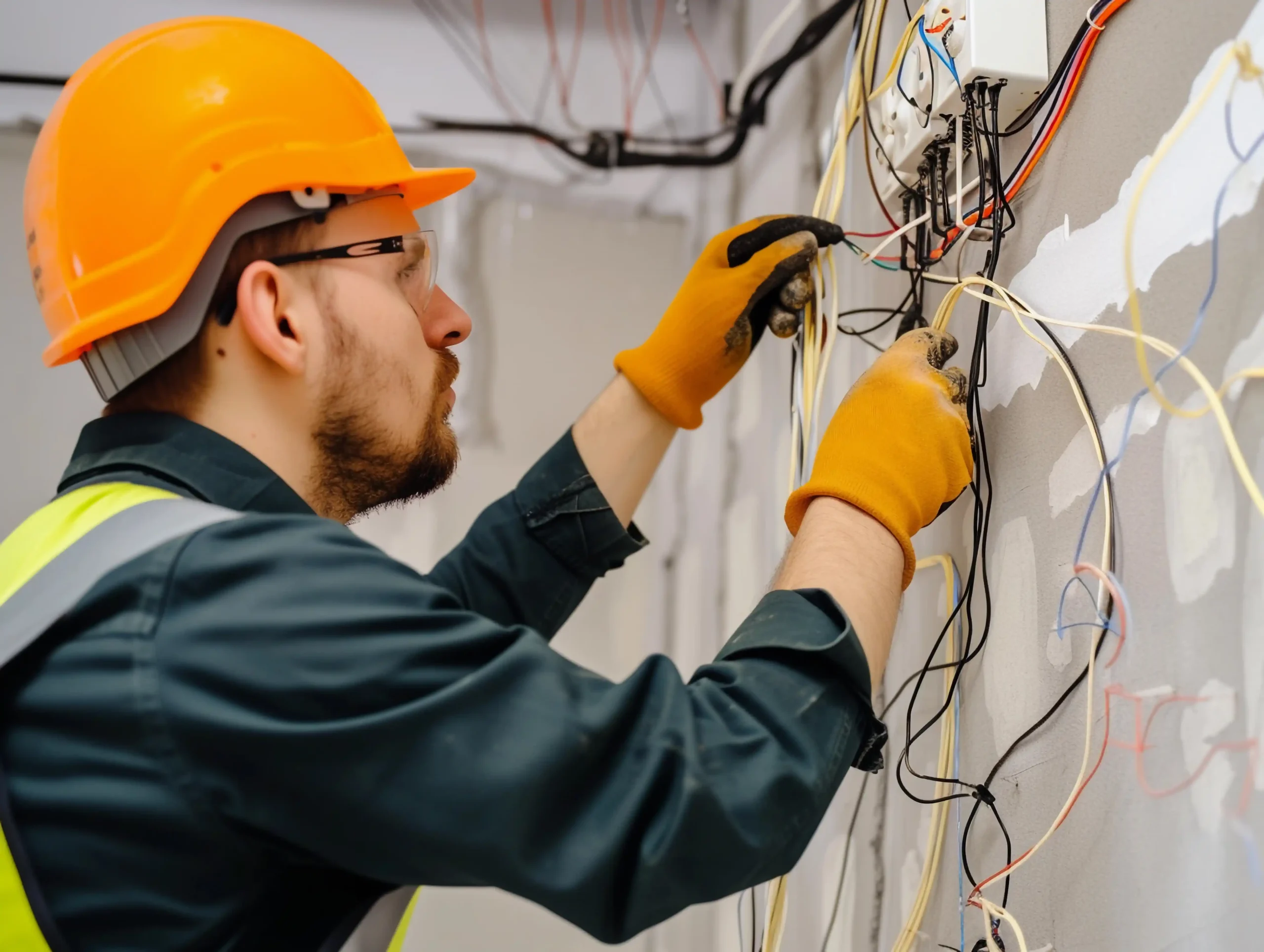
An electrician carefully works on a wall outlet. Professional service ensures any flickering light or sparking socket is fixed safely. If you notice persistent flickering lights or frequent circuit trips at your Geelong home, these are warning signs that shouldn’t be ignored. Flickering often means loose or faulty wiring, which can arc and cause fires.
A Geelong electrician will also listen for buzzing sounds and feel outlets or switches for heat. These symptoms often hide a bigger problem. For example, I once had a client who blamed flickering lights on “haunted wiring”. It turned out to be a loose connection in a switch. Catching issues early with a quick electrician visit can save a world of trouble later.
Common Warning Signs
- Flickering or dimming lights – Usually caused by loose wiring or overloaded circuits. Lights shouldn’t dance on and off.
- Breaker trips or blown fuses – If a breaker trips regularly (even under normal load), it could mean a worn-out circuit or switchboard issue.
- Hot or sparking outlets/switches – If an outlet or switch feels warm, sparks, or crackles when you plug in, that’s serious. Don’t touch it; call a pro.
- Burning smells or scorch marks – Any burnt plastic smell or blackened panel is an emergency flag. It means overheated wiring or components.
- Old wiring or fuse boxes – Homes still using cloth-insulated or aluminium wires, or ceramic fuses, are overdue for inspection (these old systems fail to meet today’s codes).
If any of these pop up in your Geelong pad, consider yourself lucky to catch it early. A licensed Electrician Geelong can then diagnose whether a small targeted repair will suffice or if a major overhaul is the smarter long-term move. They’ll ensure any fix meets Australia’s wiring rules (AS/NZS 3000) to protect you from shock and fire.
Repair vs. Replace: Key Considerations
Once a problem is identified, the big decision is repair or replace it. Think of it like patching a hole vs. getting a new roof. If the issue is limited and your electrical system is fairly modern, a repair might be enough. But if your wiring or switchboard is old and plagued by problems, replacement could save a lot of headaches (and money) later. To decide, consider factors like these:
|
Factor |
Repair If… | Replace If… |
|
Age of System |
Wiring/installations < ~20 years old, up to date. | House >~30 years old or original wires are cloth/aluminium. |
| Scope of Issue | Single circuit or outlet fault (e.g. one bad socket). |
Multiple faults across different circuits; widespread degradation. |
|
Safety/Compliance |
Modern switchboard with RCDs (safety switches) on all circuits. | Old fuse box, missing RCDs/safety switches, or failing AS/NZS 3000 standards. |
| Renovation Plans | Minor additions (extra lights/outlets, small appliance). |
Major upgrades (EV charger, second kitchen/bathroom, solar/battery systems). |
| Budget & Risk | Tight budget & issue is understood; system mostly sound. |
Prioritising safety/efficiency; old wiring could void insurance. |
Basically, age matters. Very old houses (pre-1990s) often have wiring that’s simply worn out or non-compliant. For instance, an electrician Geelong will typically advise a full electrical rewiring for homes with cloth or aluminium cables. On the other hand, if your wiring is relatively young and only one circuit is acting up, a simple repair (like re-soldering a connection or replacing a shorted cable section) is quick and cost-effective. As your local electrician might say: fix small faults now and keep your system reliable; ignore them, and you risk bigger failures later.
Common Electrical Repairs (Quick Fixes)
Most electricians in Geelong tackle many routine fixes. These general electrical repairs are usually fast and affordable. Examples include:
- Outlet or Switch Replacement – Swapping out a burnt-out or worn socket or light switch. (Often a one-circuit job.)
- Circuit Repair – Fixing a short or loose wire in one branch of the system. For example, a mouse-chewed cable or a nail-through-wire issue in a wall.
- Safety Switch (RCD) Service – Resetting, testing, or replacing a tripping safety switch. Technically, all modern circuits must have safety switches, so electricians also safety switch installation if yours is missing one.
- Ceiling Fan Installation – Adding or replacing a ceiling fan. Even simple fan installs need the right circuit and hardware. An electrician will ensure the fan is on a dedicated feed and correctly mounted (loose fan wiring can hum or shock).
- Light Fixture Replacement – Replacing failing light fittings or bulbs. Sometimes a faulty light fitting causes flicker or shock.
These quick repairs cause minimal disruption: you pay for just the fix you need. The electrician will also verify the fix meets AS/NZS 3000 wiring rules. Plus, the work will be certified and insured – essential for keeping your home insurance valid.
When to Rewire or Upgrade (Replacement Scenarios)
Sometimes the fix just won’t stick and a larger overhaul is wiser. Look for these scenarios:
- Multiple Trips Across the House: If turning on one appliance causes breakers to trip in unrelated circuits, the whole panel or wiring could be overloaded. This usually means a bigger upgrade.
- Outdated Wiring: If your home’s wiring is old cloth-insulated cable or early aluminium, replacement is typically needed. Such wiring can overheat and even fail fire-safety checks.
- Old Fuse Box or Missing RCDs: Houses still running on ceramic fuses or without full safety-switch (RCD) coverage are behind the times. Modern regulations call for RCDs on all circuits – an old fuse box simply can’t meet today’s demands.
- Visible Damage or Decay: Signs like rust in the switchboard, rodent-chewed insulation, or brittle wiring indicate replacement. You shouldn’t just tape over those issues.
- Major New Loads: Planning a home addition, EV charger, solar panel installation, or battery system? These often require extra circuits and a strong supply. An electrician Geelong will often recommend a panel upgrade or rewiring so the system can handle the extra load safely.
In these cases, your electrician will likely suggest a full electrical rewiring or switchboard upgrade rather than repeated patchwork. A new wiring installation brings fresh insulation and higher capacity, reducing fire risk and energy waste. It’s like resetting your clock: a safer, more efficient system.
Switchboard Repairs vs Upgrade
Your switchboard (fuse box) is the heart of your electrical system. If it’s still got those old black glass fuses or limited safety switches, it’s outdated and potentially dangerous. Stop and replace it. Visible signs – scorch marks, melted plastic, or a persistent burning smell from the panel – are immediate red flags. Flickering lights and circuit trips often trace back to an overburdened switchboard.
A modern switchboard with labeled circuit breakers and multiple safety switches. Older panels with ceramic fuses (not shown) lack these protections and often need upgrading. If your switchboard is just experiencing a minor hiccup – say one faulty breaker – an electrician Geelong can often repair that single part.
They might tighten connections or replace a breaker and the system works fine. But if the board is decades old or fails to meet current codes, the safer choice is replacement. Upgrading the switchboard adds full RCD protection to every circuit and modern breakers, greatly enhancing safety. In short, repair what you can, but don’t cling to an antique panel – a new board is worth the investment for peace of mind.
Planning for Installations: Fans, Panels & Batteries
Thinking of adding new electrical features? Plan with your electrician from the start. Even something as simple as a ceiling fan installation can require running a new cable or dedicated breaker. Projects like electrical installations for an EV charger, a second kitchen, or a full solar panel installation and solar battery installation system are bigger undertakings. They put extra demand on wiring. In practice, this often means an electrician will check if your panel and cables need upgrading before work begins.
For example, solar panels push power back into your home’s wiring. If your switchboard is old, the electrician might install additional circuits or upgrade the board to handle the two-way flow safely. The same goes for any major appliance or renovation: it’s better to overhaul weak wiring proactively than to wrestle with constant breaker trips later.
DIY vs Professional: Why Hire an Electrician Geelong
You might be handy around the house, but electrical work is one area to leave to the pros. Unlicensed DIY is not only risky, it’s illegal. Australian regulations (AS/NZS 3000) require that all electrical work be done by a qualified electrician. Attempting your own fix could void home insurance – many insurers demand a licensed electrician’s certificate for any electrical repairs. Professionals come with the right tools (like RCD testers and thermal cameras) and experience to spot hidden issues (moisture in wires, corrosion, etc.) that amateurs often miss.
In short, hiring a licensed electrician Geelong guarantees the job meets safety standards and keeps you covered. As one local says: “It’s not just about having power—it’s about having confidence that your system is safe, compliant and efficient.”
Maintenance: The Key to Longevity
Staying ahead of problems is easier than playing catch-up. A wise homeowner (and electrician) will schedule periodic inspections. In fact, experts recommend a full electrical safety check roughly every 3–5 years for most homes (more often for very old or rental properties). During these checks, an electrician will test all safety switches, tighten connections, and look for wear and tear. In Geelong’s salty coastal climate or after storms, moisture can sneak into outdoor boxes and corrode wiring, so routine inspections are smart. It’s like servicing your car – a small check-up now can prevent a breakdown (or fire) later.
Keeping your system tidy and up to code pays off: fewer surprise outages, longer equipment life, and often better energy efficiency (old, corroded wiring wastes electricity). In the end, regular maintenance from your Electrician Geelong can extend the life of your system and keep everyone safe.
Conclusion: Stay Safe & Empowered
Your home’s electrics deserve the same care you give everything else. Notice something odd? Don’t shrug it off. By catching signs early and calling a qualified electrician Geelong, you protect your family and property. Whether it’s a quick electrical repair or a larger electrical rewiring project, acting now is smart.
Remember: a small fix today can save big trouble tomorrow, and a well-timed upgrade can future-proof your house for smart gadgets, EV chargers, and beyond. Don’t be shy – if your gut (or flickering lights) tells you something’s off, pick up the phone. A local electrician Geelong is ready to help keep your home running smoothly and safely. Stay switched on, Geelong!
Frequently Asked Questions
-
Q: How do I know if I should repair or replace my electrical system?
If problems are limited to one circuit in a mostly modern installation, a repair will usually do. Replace if your wiring is very old (30+ years, cloth/aluminium) or if multiple circuits are failing.
-
Q: What are the key warning signs that my home needs electrical work?
Flickering or dimming lights, breakers tripping often, hot or sparking outlets, buzzing sounds from switches, and any burning smells or scorch marks. These are all red flags – time to call an electrician.
-
Q: How often should I have my home’s wiring inspected?
For owner-occupied homes, every 3–5 years is wise (especially in older houses). Rental or very old homes should be checked more frequently. Also get an inspection before buying or renovating.
-
Q: Can I attempt electrical repairs myself?
It’s strongly discouraged. In Victoria, all electrical work must be done by a licensed electrician. DIY attempts can create hidden hazards and may void your home insurance.
-
Q: Will replacing my old wiring increase my home’s value?
Yes. Modern, compliant wiring and a new switchboard improve safety and energy efficiency, which buyers notice. Up-to-date electrics can give your home an edge in the market.
-
Q: What counts as an electrical emergency in Geelong?
Any exposed live wires, burning smells, or unexplained loss of power is an emergency. In doubt, switch off the main breaker and call an emergency electrician immediately.