
Knowing how to protect solar battery systems is one of the most important things you can do as a Geelong homeowner. In short: keep your battery within its recommended temperature range, avoid deep discharges, ensure proper ventilation, and schedule regular inspections. These four steps alone can add years to your system’s lifespan and keep your household running safely.
Why Solar Battery Protection Matters in Geelong
Geelong’s climate is notoriously unpredictable. You can experience scorching 40°C summer days followed by cold, damp winters — and that temperature volatility is one of the biggest enemies of battery storage systems. Whether you have a lithium-ion battery like a Tesla Powerwall or a lead-acid system, thermal stress degrades cell chemistry over time.
Beyond climate, Geelong’s coastal proximity means some suburbs face salt-laden air that can accelerate corrosion on battery terminals and enclosures. If your home is near Corio Bay or out on the Bellarine Peninsula, this is a real concern worth taking seriously.
How to Protect Solar Battery Systems from Temperature Damage
Most residential solar batteries are rated to operate between 0°C and 45°C. Outside that range, performance drops and long-term damage can occur. Here’s what you can do to manage temperature effectively:
- Install in a shaded, ventilated location — a garage, laundry, or purpose-built outdoor enclosure away from direct sunlight works well.
- Avoid enclosed metal sheds — these act like ovens in summer, pushing temperatures well beyond safe limits.
- Use thermal insulation — in colder months, some battery enclosures benefit from insulation to maintain minimum operating temperatures.
- Check manufacturer guidelines — each battery brand specifies its ideal ambient temperature range, and you should install accordingly.
- Consider indoor mounting — placing the battery inside your home where temperatures are regulated is often the safest option for Geelong’s variable climate.
If you’re unsure whether your current installation location is appropriate, a licensed electrician can assess it and recommend improvements before the next heatwave hits.
Managing Charge Cycles and Depth of Discharge
Every battery has a finite number of charge cycles before its capacity begins to degrade. The deeper you regularly discharge your battery, the faster those cycles are consumed. Most manufacturers recommend keeping your depth of discharge (DoD) between 20% and 80% for everyday use.
Your solar inverter or battery management system (BMS) should allow you to set minimum charge thresholds. Take the time to configure these settings — or ask your installer to do it — so the system doesn’t drain below the safe floor automatically. This single adjustment can dramatically extend the usable life of your battery storage investment.
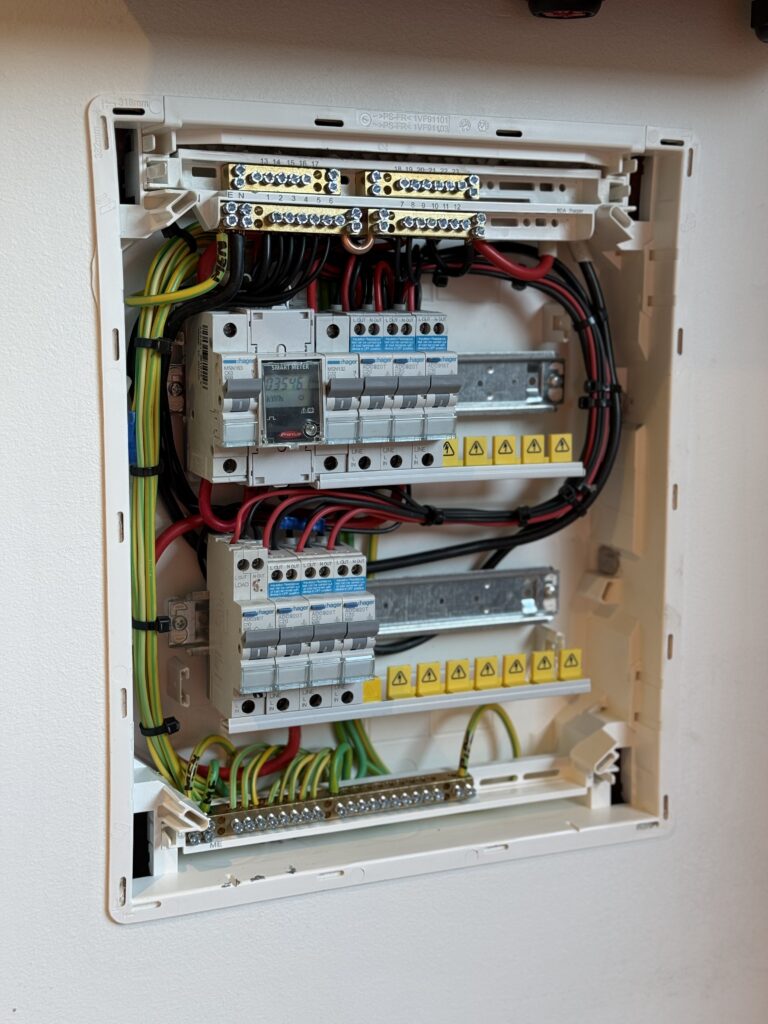
If you’re experiencing issues with your inverter or switchboard that affect how your battery charges, it’s worth looking into switchboard repairs and electrical fault diagnosis to rule out any upstream wiring problems.
Protecting Your Battery from Physical and Environmental Hazards
Physical protection is just as important as electrical management. Your battery enclosure should be rated to IP55 or higher if installed outdoors, meaning it’s protected against dust and water jets. In bushfire-prone areas around Geelong’s outer suburbs, you should also consider the fire resistance rating of your enclosure and its proximity to combustible materials.
Australian Standard AS/NZS 5139:2019 governs the installation of battery energy storage systems and sets out clear requirements for clearances, ventilation, and signage. Your installer must comply with this standard, and you should ask for documentation confirming they have.
Keep the area around your battery clear of stored items, especially flammable materials like paint tins, rags, or garden chemicals. A battery fault, while rare, can generate heat — and you don’t want anything nearby that could make the situation worse.
Routine Maintenance That Keeps Your System Healthy
Learning how to protect solar battery performance over the long term comes down to consistent, simple maintenance habits. You don’t need to be an electrician to handle most of these tasks:
- Check the battery’s state of charge via your monitoring app at least once a week.
- Inspect the enclosure exterior monthly for signs of corrosion, moisture ingress, or physical damage.
- Clean dust and debris from ventilation grilles every three to six months.
- Review your system’s performance data seasonally — a sudden drop in capacity can indicate a cell issue.
- Arrange a professional inspection annually to check wiring connections, terminal torque, and BMS calibration.
Homeowners across the Bellarine Peninsula and surrounding areas can access local support through qualified electricians servicing the Bellarine region who understand the specific environmental conditions in those coastal communities.
Software, Monitoring and Firmware Updates
Modern battery systems are essentially smart devices, and keeping their firmware up to date is a genuine safety and performance measure. Manufacturers regularly release updates that improve charge algorithms, fix bugs, and enhance thermal management protocols. Check your battery’s companion app or manufacturer portal every few months for available updates.
Enable remote monitoring if your system supports it. This gives you real-time visibility over charge levels, temperature readings, and any fault codes — so you can act quickly if something looks off. Some systems will even alert you automatically if a parameter falls outside normal range.
When to Call a Professional
While plenty of battery maintenance is DIY-friendly, some situations demand a licensed electrician immediately. Contact a professional if you notice any of the following: swelling or bulging of the battery casing, a burning smell near the unit, fault codes that don’t clear after a system restart, unexpected drops in battery capacity of more than 20%, or any visible damage to wiring or terminals.
SmartPower Electrical works with Geelong homeowners to inspect, diagnose, and repair solar battery systems safely and in compliance with Australian standards. If you’re in suburbs like Lara, Lovely Banks, or further out, local help is closer than you think — electricians servicing Lara and surrounds are available for both urgent callouts and scheduled inspections. Don’t wait until a minor issue becomes a costly fault — reach out to SmartPower Electrical and get your system assessed today.
Conclusion
Understanding how to protect solar battery systems isn’t complicated, but it does require consistent attention. Manage temperature, control your depth of discharge, maintain the physical enclosure, keep software updated, and schedule annual professional checks. These steps together form a straightforward protection strategy that will keep your battery performing well for a decade or more.
Geelong homeowners have a real opportunity to maximise their solar investment — but only if the battery at the heart of the system is properly cared for. Whether you’re in the city or out in the surrounding suburbs, SmartPower Electrical is here to help you get the most from your energy storage system. Get in touch today to book your inspection.
Frequently Asked Questions
What is the ideal temperature range for a home solar battery in Geelong?
Most residential solar batteries operate safely between 0°C and 45°C. Given Geelong’s hot summers and cold winters, it’s best to install your battery in a temperature-regulated indoor space or a well-ventilated, shaded outdoor enclosure to stay within this range year-round.
How often should I have my solar battery professionally inspected?
An annual inspection by a licensed electrician is the general recommendation. They’ll check wiring connections, terminal integrity, BMS calibration, and ensure your installation still complies with AS/NZS 5139:2019. If you notice any unusual behaviour between inspections, don’t wait — call a professional promptly.
Can I install my solar battery outdoors in Geelong?
Yes, but the enclosure must be rated to at least IP55 for weather protection, positioned out of direct sunlight, and installed with adequate ventilation. Coastal areas near Geelong also face salt air corrosion risks, so choosing a corrosion-resistant enclosure and inspecting it regularly is particularly important.
What depth of discharge should I set for my solar battery?
For everyday use, keeping your battery’s depth of discharge between 20% and 80% is widely recommended. Regularly draining your battery below 20% accelerates cell degradation and reduces the total number of usable charge cycles over the battery’s lifetime. Configure this through your inverter settings or ask your installer to set it up correctly. For more about what we do, visit our homepage.