
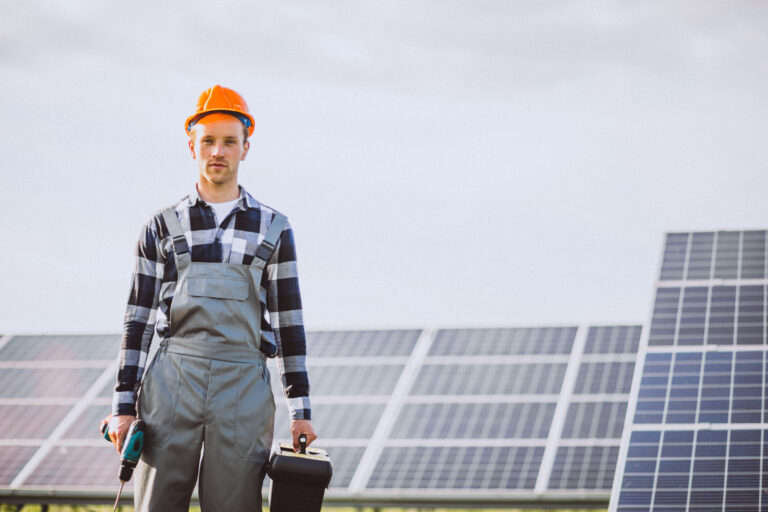
Why Solar Panel Maintenance Matters in Geelong
A proper solar panel maintenance procedure is the single most effective way to protect your investment and keep your system generating maximum power. In simple terms: clean, well-maintained panels produce more electricity, last longer, and deliver better returns on your feed-in tariff. Skipping maintenance can silently cost you hundreds of dollars a year in lost output.
Geelong’s climate throws a lot at rooftop solar systems. Hot, dry summers coat panels in dust and pollen, while autumn and winter bring leaf litter, bird droppings, and salt-laden winds off Port Phillip Bay. If you live near Lara or the Bellarine Peninsula, coastal grime builds up faster than you might expect. Regular maintenance isn’t optional — it’s essential.
How Often Should You Maintain Your Solar Panels?
Most solar manufacturers and Australian Clean Energy Council (CEC) guidelines recommend a professional inspection at least once every two years, with basic owner checks every three to six months. Your specific schedule will depend on your local environment. Properties near farmland, construction sites, or coastal areas will need more frequent attention.
Between professional visits, you can do a lot yourself with a quick visual check from the ground. Look for obvious soiling, shading from new tree growth, or any panels that appear cracked or discoloured. You don’t need to climb on the roof to spot many early warning signs.
The Complete Solar Panel Maintenance Procedure: Step by Step
Following a structured solar panel maintenance procedure means nothing gets overlooked. Work through these steps methodically, and you’ll keep your system performing at its best throughout the year.
- Monitor your inverter output regularly. Check your inverter display or monitoring app weekly. A sudden or gradual drop in kilowatt-hour generation is often the first sign something is wrong — before you can see any visible issue on the roof.
- Inspect panels visually from the ground. Look for bird droppings, leaf debris, dust accumulation, and any obvious physical damage. Use binoculars if needed. Do this every one to two months, especially after storms.
- Clean panels safely. Use a soft brush or sponge with lukewarm water and a small amount of mild detergent. Rinse thoroughly with clean water. Never use abrasive materials, pressure washers at close range, or harsh chemicals — these can scratch the anti-reflective coating and void your warranty.
- Check for shading changes. Trees grow. New structures go up. Walk around your property and assess whether any new shading is falling across your array, particularly in the morning or late afternoon when the sun angle is lower.
- Inspect mounting hardware and racking. Corrosion, loose bolts, or damaged flashings around panel mounts can allow water ingress into your roof structure. This is a visual check you can do from the roofline — you don’t need to handle the panels themselves.
- Check wiring and junction boxes (professional task). DC wiring, conduit runs, and junction box seals should be inspected by a licensed electrician. Degraded insulation or loose connections are a serious fire and safety risk under Australian Standard AS/NZS 5033.
- Test your battery system if applicable. If you have a home battery like a Tesla Powerwall or similar, check the battery management system logs for any fault codes or unusual charge/discharge cycles.
- Review your energy bills and feed-in credits. Compare your quarterly generation data year-on-year. A consistent downward trend — after accounting for seasonal variation — suggests a performance issue that needs investigation.
DIY Cleaning Tips for Geelong Homeowners
Cleaning your solar panels yourself is perfectly reasonable, provided you can safely access them from a ladder without stepping on the roof. Early morning is the best time — panels are cool, reducing the risk of thermal shock from cold water on hot glass, and there’s no direct sun glare to contend with.
Avoid cleaning on days above 35°C. In Geelong’s peak summer, panels can reach surface temperatures well above 60°C, and pouring cold water on hot glass can cause micro-cracking over time. Use demineralised water if your tap water is particularly hard, as mineral deposits can leave residue that reduces light transmission.
If your panels are on a steep pitch or a two-storey home, leave the physical cleaning to a professional. No energy saving is worth a fall from height. Working at heights in Victoria is governed by WorkSafe Victoria regulations, and homeowners should always prioritise personal safety over cost savings.
Seasonal Considerations for Victorian Solar Systems
Victoria’s four distinct seasons each present different maintenance priorities. In spring, pollen and blossom debris are the main culprits. Summer brings dust, bushfire smoke, and the occasional hailstorm — inspect panels after any significant weather event. Autumn sees leaf litter accumulate quickly, particularly if you have large trees nearby. Winter is when your panels work hardest for fewer hours, so clean glass and unobstructed surfaces are critical to capturing every bit of available sunlight.
If you’re in an area like Lara or surrounding rural suburbs, grass pollen season can coat panels with a fine yellow film that’s surprisingly effective at reducing output. A clean after peak pollen season — typically October to December — is well worth the effort.
When to Call a Professional
Some parts of your solar panel maintenance procedure should never be a DIY job. If you notice any of the following, contact a licensed solar electrician immediately:
- Inverter fault codes or error lights that don’t clear
- Burning smell near the inverter or switchboard
- Visible damage to wiring, conduit, or junction boxes
- Panels that appear physically cracked, delaminated, or discoloured with hot spots
- A sustained unexplained drop in system output of more than 20%
- Any issue involving your switchboard or metering equipment
The team at SmartPower Electrical provides comprehensive solar system inspections and switchboard repairs across Geelong and surrounding areas. Our licensed electricians carry out full electrical safety audits in line with AS/NZS 5033 and AS 4777, giving you documented peace of mind and protecting your manufacturer warranty. Call SmartPower Electrical today to book your solar maintenance inspection.
Conclusion
A consistent solar panel maintenance procedure is the difference between a system that delivers strong returns for 25+ years and one that quietly underperforms from year three onwards. For Geelong homeowners, the combination of coastal conditions, seasonal dust, and variable weather makes regular maintenance even more important than the national average.
The good news is that most of the routine work is straightforward: monitor your output, clean your panels safely a few times a year, check for shading, and book a professional electrical inspection every two years. Do those things, and your solar investment will keep paying you back for decades. If you’re unsure where to start or suspect a problem, reach out to SmartPower Electrical — we’re local, licensed, and here to help.
Frequently Asked Questions
How often should I clean my solar panels in Geelong?
Most Geelong homeowners should clean their solar panels two to four times per year. Properties near the coast, farmland, or areas with heavy tree cover may need more frequent cleaning due to salt spray, dust, and organic debris. A quick visual inspection every four to six weeks will help you decide when cleaning is needed.
Can I clean my solar panels myself?
Yes, provided you can safely reach them without stepping on the roof. Use a soft brush or sponge, lukewarm water, and mild detergent. Rinse thoroughly and avoid cleaning during the hottest part of the day. If your panels are on a steep pitch or high roof, hire a professional to avoid the risk of a fall.
Does poor maintenance affect my solar warranty?
It can. Most solar panel and inverter manufacturers require evidence of regular maintenance to honour performance warranties. Damage caused by neglect — such as corrosion from unaddressed water ingress or physical damage from debris — is typically excluded from warranty claims. Keeping a maintenance log is good practice.
What Australian standards apply to solar panel maintenance and electrical safety?
Solar PV systems in Australia must comply with AS/NZS 5033 (Installation and Safety Requirements for PV Arrays) and AS 4777 (Grid Connection of Energy Systems via Inverters). Any electrical work on your solar system — including inspections of wiring, inverters, and switchboards — must be carried out by a licensed electrician. Always ask your technician to confirm compliance with current standards. For more about what we do, visit our homepage.