
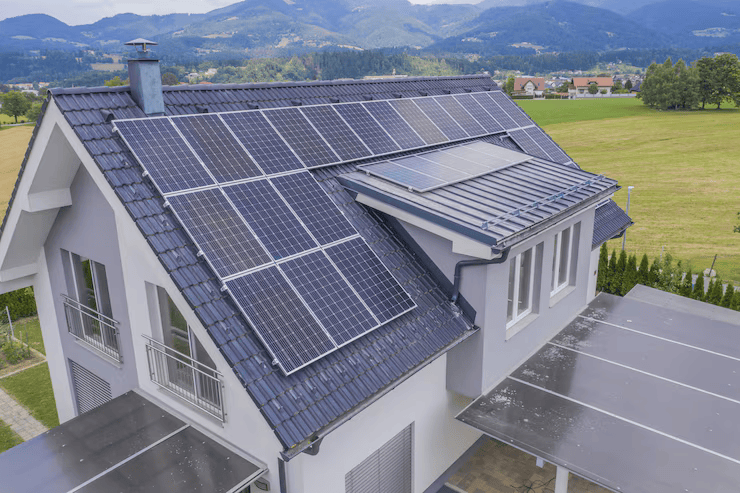
Why Clean Solar Panels Matter in Geelong
Knowing how to keep your solar panels clean is one of the simplest ways to protect your energy investment. Dirty panels can lose between 15% and 25% of their output efficiency, meaning you’re paying more for grid power than you need to. In Geelong, where dust, pollen, sea spray, and eucalyptus debris are part of everyday life, this problem is very real.
Geelong’s coastal winds carry salt particles inland, and the surrounding bushland deposits a steady layer of grime across rooftop panels throughout the year. Add summer bushfire smoke and the occasional bird dropping, and your panels can become significantly underperforming before you even notice. Regular cleaning is not optional — it’s essential maintenance.
How Often Should You Clean Your Solar Panels?
Most solar installers and manufacturers recommend cleaning your panels at least twice a year. In Geelong, however, quarterly cleaning is a smarter approach given the local environment. Spring and autumn are particularly important — spring clears the winter buildup of dust and bird activity, while an autumn clean removes pollen and prepares your system for peak winter sun angles.
If you live near the Bellarine Peninsula or areas like the Bellarine region, salt-laden air accelerates surface contamination. In these locations, inspect your panels monthly and clean them as needed rather than sticking rigidly to a seasonal schedule.
What You Need Before You Start
Gathering the right equipment makes the job safer and more effective. You don’t need expensive specialist products — most of what you need is already at home or available at a local hardware store.
- A soft-bristle brush or microfibre cloth (never abrasive pads)
- A squeegee with an extendable handle
- A bucket of lukewarm, clean water
- A small amount of mild, non-abrasive detergent (optional)
- A garden hose with a gentle spray nozzle
- Non-slip footwear if roof access is required
- A safety harness and anchor point for any roof work
Avoid using high-pressure water jets. The force can damage panel seals, void your warranty, and push water into junction boxes. Stick to low-pressure rinsing and gentle manual wiping for the best results.
Step-by-Step: How to Keep Your Solar Panels Clean Safely
Safety comes first. Before you do anything, turn off your solar system at the isolator switch. This is a critical step — working on or near energised panels carries a real risk of electric shock. Check your system’s shutdown procedure in your inverter manual or consult your installer.
- Choose the right time of day. Clean panels in the early morning or late afternoon. Panels are cool at these times, reducing the risk of thermal shock from cold water on hot glass, and the sun won’t dry water too quickly, leaving mineral streaks.
- Rinse first. Use your hose on a gentle setting to loosen surface dust and debris. This prevents you from scratching the glass when you start wiping.
- Wipe gently. Dip your soft brush or microfibre cloth into clean water (with a small drop of mild detergent if needed) and wipe across the panel surface in smooth, even strokes.
- Rinse again. Flush away any soap residue thoroughly. Leftover detergent attracts more dust and can leave a film that reduces light absorption.
- Squeegee dry. Use your squeegee to remove excess water and prevent streaking, particularly important in hard water areas around Geelong.
- Inspect as you go. Look for cracks, discolouration, or hotspot damage while you’re up close. Early detection of panel damage saves money in the long run.
What to Avoid When Cleaning Solar Panels
There are a few common mistakes that can damage your panels or put you at risk. Knowing how to keep your solar panels clean also means knowing what not to do. Never use abrasive scouring pads, steel wool, or harsh chemical cleaners — these scratch the anti-reflective coating on the glass and permanently reduce efficiency.
Avoid climbing onto your roof without proper fall protection. Working at heights in Australia is regulated under the Safe Work Australia guidelines for working at heights, and the same principles apply to homeowners undertaking roof maintenance. If your roof pitch is steep or your panels are difficult to reach safely from the ground, don’t risk it.
Ground-Level Cleaning: A Safer Option
Many Geelong homeowners find that a telescoping brush and hose attachment allow them to clean panels effectively from the ground. This is the safest approach and works well for single-storey homes. For two-storey properties or complex rooflines — common in newer estates around Lara and surrounding growth corridors — professional cleaning is the smarter choice.
Ground-level cleaning won’t replace a thorough hands-on inspection, but for routine maintenance between professional visits, it’s a practical and low-risk solution.
When to Call a Professional
Some situations genuinely call for expert help. If you notice a significant drop in your system’s output on your inverter monitoring app, there may be more than surface dirt at play. Hotspots, cracked cells, loose wiring, or inverter faults require a licensed electrician — not a garden hose.
If your panels are on a steep or high roof, if you’ve spotted physical damage during your inspection, or if your system hasn’t been serviced in over two years, it’s time to call in the professionals. SmartPower Electrical services homes across Geelong and the surrounding region, offering solar system inspections, electrical safety checks, and switchboard repairs to keep your entire electrical system running safely. Contact SmartPower Electrical today to book a professional solar inspection.
Conclusion
Understanding how to keep your solar panels clean is one of the best habits you can build as a solar system owner in Geelong. Regular cleaning — at least twice a year, and more frequently near the coast — directly protects your energy output, extends panel lifespan, and maximises the return on your solar investment.
Use the right tools, clean at the right time of day, always shut down your system first, and never take unnecessary risks at height. For anything beyond basic surface cleaning, or if your system is showing signs of reduced performance, don’t hesitate to reach out to a qualified local electrician. Your panels work hard for you — a little care goes a long way.
Frequently Asked Questions
Can rain clean my solar panels for me?
Rain can wash away loose dust, but it’s rarely enough to remove bird droppings, sticky pollen, or salt residue. In Geelong, where coastal and bushland debris is common, relying on rain alone typically results in a gradual decline in panel efficiency. Manual cleaning remains necessary at least twice a year.
Is it safe to use a pressure washer on solar panels?
No. High-pressure water can crack panel seals, force moisture into electrical components, and void your manufacturer’s warranty. Always use a low-pressure garden hose with a gentle spray setting, combined with a soft brush or microfibre cloth for stubborn grime.
What time of year is best for solar panel cleaning in Geelong?
Spring and autumn are the most beneficial times to clean your panels in Geelong. A spring clean removes the buildup from winter bird activity and dust, while an autumn clean clears pollen and prepares your system to capture the lower winter sun angles as efficiently as possible.
How do I know if my solar panels need cleaning rather than repairs?
Check your inverter’s monitoring data. A gradual dip in output on sunny days often points to soiling, while a sudden or steep drop may indicate a fault such as a failed string, hotspot damage, or an inverter issue. If cleaning doesn’t restore normal output levels, contact a licensed electrician for a professional inspection. For more about what we do, visit our homepage.