
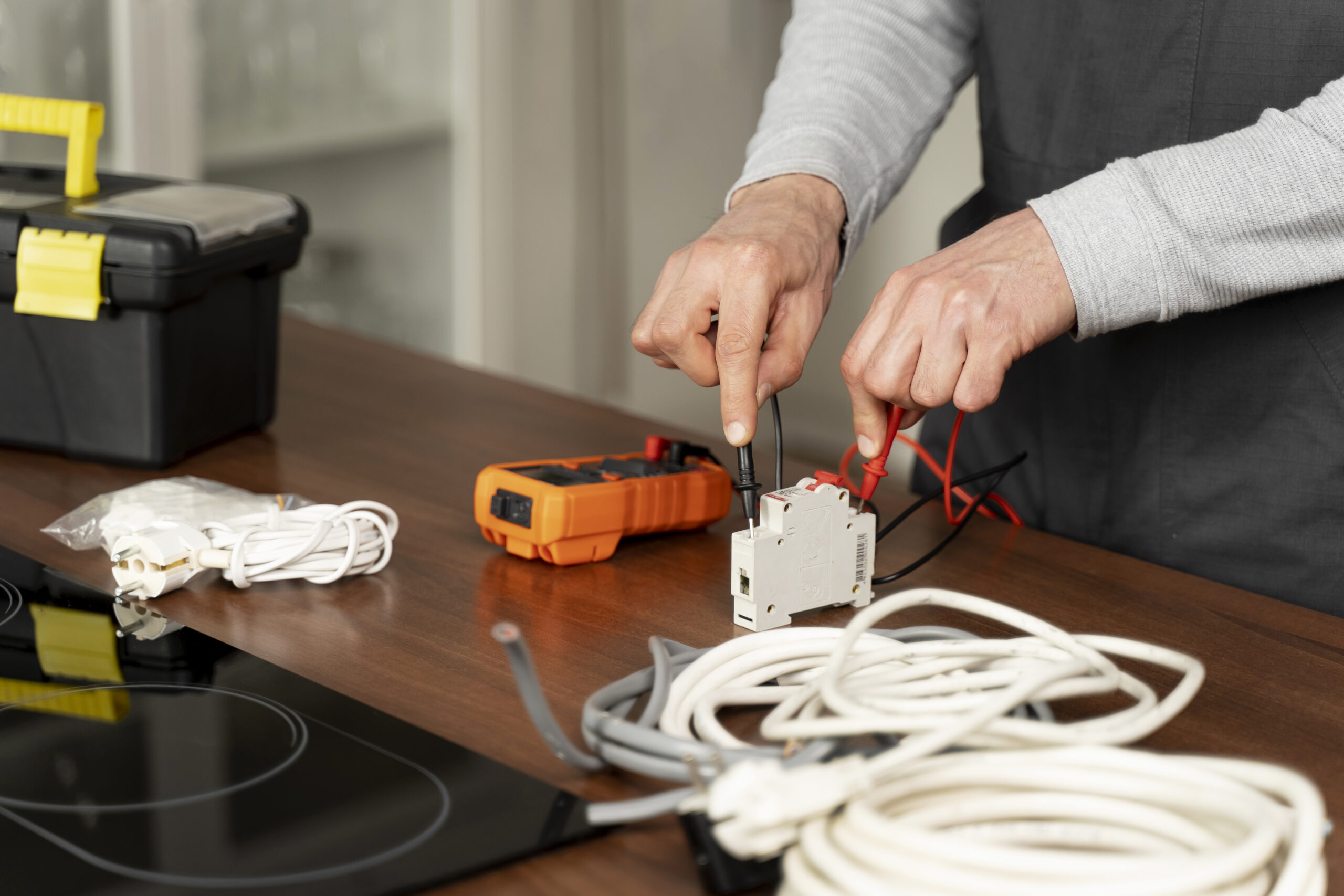
The Short Answer: How Often Solar Panel Maintenance Should Happen
Wondering about solar panel maintenance how often you really need it? For most Geelong homes, a professional inspection once every one to two years is the standard recommendation, combined with a visual check and clean every six to twelve months. Getting this right protects your investment and keeps your system generating at peak output.
Why Geelong’s Climate Makes Maintenance More Important Than You Think
Geelong’s weather is genuinely tough on solar systems. You’re dealing with scorching summer days pushing panel temperatures well above 40°C, followed by cold, damp winters and those infamous coastal winds that carry salt, dust, and debris inland from Port Phillip Bay.
This combination means your panels accumulate grime faster than homes in drier inland regions. Pollen season in spring, ash from bushfire smoke in summer, and bird activity year-round all contribute to soiling — a technical term for the layer of dirt that reduces how much sunlight reaches your photovoltaic cells. Even a thin film of soiling can reduce energy output by 5–25%, depending on conditions.
If your home is near Lara, the Bellarine Peninsula, or anywhere close to agricultural land, dust and organic matter build-up can be even more pronounced. The team at SmartPower Electrical in Lara regularly sees panels in these areas that haven’t been touched since installation — and the performance data tells a very clear story.
Solar Panel Maintenance How Often: A Practical Schedule
Rather than guessing, here’s a straightforward maintenance schedule suited to Geelong conditions in 2026:
- Every 3–6 months: Visually inspect your panels from ground level. Look for obvious debris, bird nesting material, cracked glass, or discolouration.
- Every 6–12 months: Clean your panels, either yourself (safely, from the ground with a soft brush and hose) or via a professional cleaning service.
- Annually: Review your inverter data or monitoring app to check for unexpected drops in output — this is one of the easiest ways to catch problems early.
- Every 1–2 years: Book a professional inspection covering panel condition, mounting hardware, wiring, and inverter performance.
- Every 5 years: Consider a more thorough electrical safety check, including your switchboard and isolator switches, to ensure everything still meets current Australian standards.
This schedule isn’t one-size-fits-all. If you have large gum trees nearby, live close to the coast, or have noticed a drop in your feed-in tariff credits, you may need to clean and inspect more frequently.
What Happens During a Professional Solar Inspection?
A qualified solar electrician does far more than wipe down your panels. A proper inspection includes checking DC and AC wiring for degradation, testing isolator switches, inspecting the inverter for fault codes or overheating, assessing the mounting system for corrosion or loose fixings, and verifying that your system still complies with AS/NZS 5033 — the Australian standard governing the installation of photovoltaic arrays.
Your inverter is particularly worth watching. Most inverters have a lifespan of 10–15 years, shorter than the 25-year performance warranties on quality panels. If your inverter is approaching that age, a professional can advise whether repair or replacement makes more financial sense.
It’s also worth noting that any electrical work on your solar system — beyond basic cleaning — must be carried out by a licensed electrician or accredited solar installer under Victorian regulations. This isn’t just a technicality; it protects your warranty and your home insurance.
DIY Cleaning: What You Can Safely Do Yourself
The good news is that basic panel cleaning is something you can handle yourself, without spending money every time. Here’s what to keep in mind:
- Clean early morning or late afternoon — never when panels are hot, as thermal shock can crack the glass.
- Use a soft brush or microfibre cloth and plain water — avoid abrasive materials or harsh chemicals.
- A gentle hose rinse is often enough for light dust and pollen.
- Never climb onto your roof unless you have proper fall protection equipment — it’s not worth the risk.
For a standard single-storey home with an accessible roofline, a long-handled soft brush from the ground can do the job safely. Two-storey homes or steeply pitched roofs are a different matter — leave those to someone with the right equipment.
Monitoring Your System Between Services
Most modern inverters come with monitoring software that lets you track daily and monthly energy generation. Spend five minutes each month comparing your output against the same period last year. A consistent downward trend — especially when the weather hasn’t changed significantly — is a reliable indicator that something needs attention.
If you notice fault codes on your inverter display, don’t ignore them. Some faults are minor and self-clearing; others indicate wiring issues or component failure that need prompt attention. For anything electrical beyond the display itself, contact a licensed professional. You can also learn more about related electrical safety at SmartPower Electrical’s switchboard repairs page — your switchboard and solar system are more connected than most people realise.
When to Call a Professional
Some situations call for immediate professional attention rather than a scheduled check. Contact a licensed solar electrician if you notice any of the following:
- Your inverter is showing persistent fault or error codes
- You can see cracked, discoloured, or physically damaged panels
- Your energy output has dropped significantly with no obvious explanation
- There are visible signs of burn marks, melting, or water ingress around wiring or the inverter
- Your system is more than five years old and has never had a professional inspection
SmartPower Electrical services Geelong and the surrounding region, including the Bellarine Peninsula. If you’re in the area and your system is overdue for a check, get in touch to book an inspection — catching a small issue now is far cheaper than replacing failed components later. Residents on the Bellarine can also reach out directly via the Bellarine electrician page for local service.
Conclusion
Understanding solar panel maintenance how often it’s needed comes down to a simple principle: small, regular attention prevents large, expensive problems. For Geelong homeowners in 2026, that means cleaning every six to twelve months, a professional inspection every one to two years, and keeping a close eye on your system’s monitoring data in between.
Your solar system is one of the most significant investments in your home — treat it accordingly. If you haven’t had a professional look at your panels recently, now is the right time to book a service and make sure you’re getting every kilowatt-hour you’re paying for.
Frequently Asked Questions
How often should solar panels be cleaned in Geelong specifically?
In Geelong, cleaning every six to twelve months is a sensible baseline. However, homes near the coast, agricultural areas, or under large trees may benefit from cleaning every three to six months due to higher levels of salt, dust, and organic debris that accumulate on panels and reduce output.
Can I clean my solar panels myself?
Yes, for single-storey homes with accessible panels, you can safely clean them from the ground using a long-handled soft brush and plain water. Avoid climbing onto the roof without proper fall protection, and never clean panels in the middle of a hot day — wait for cooler morning or evening temperatures to avoid thermal shock to the glass.
How do I know if my solar panels need maintenance?
The most reliable indicator is your inverter’s monitoring data. If your energy generation has dropped noticeably compared to the same period in previous years — and the weather hasn’t been unusually poor — it’s time for an inspection or clean. Visible debris, bird droppings, or inverter fault codes are also clear signs that attention is needed.
Does solar panel maintenance affect my warranty?
Yes, it can. Most panel and inverter warranties require that the system is properly maintained and that any electrical work is carried out by a licensed or accredited professional. Skipping regular inspections or having unqualified work done on your system could void your warranty, so it’s worth keeping records of any servicing completed.