
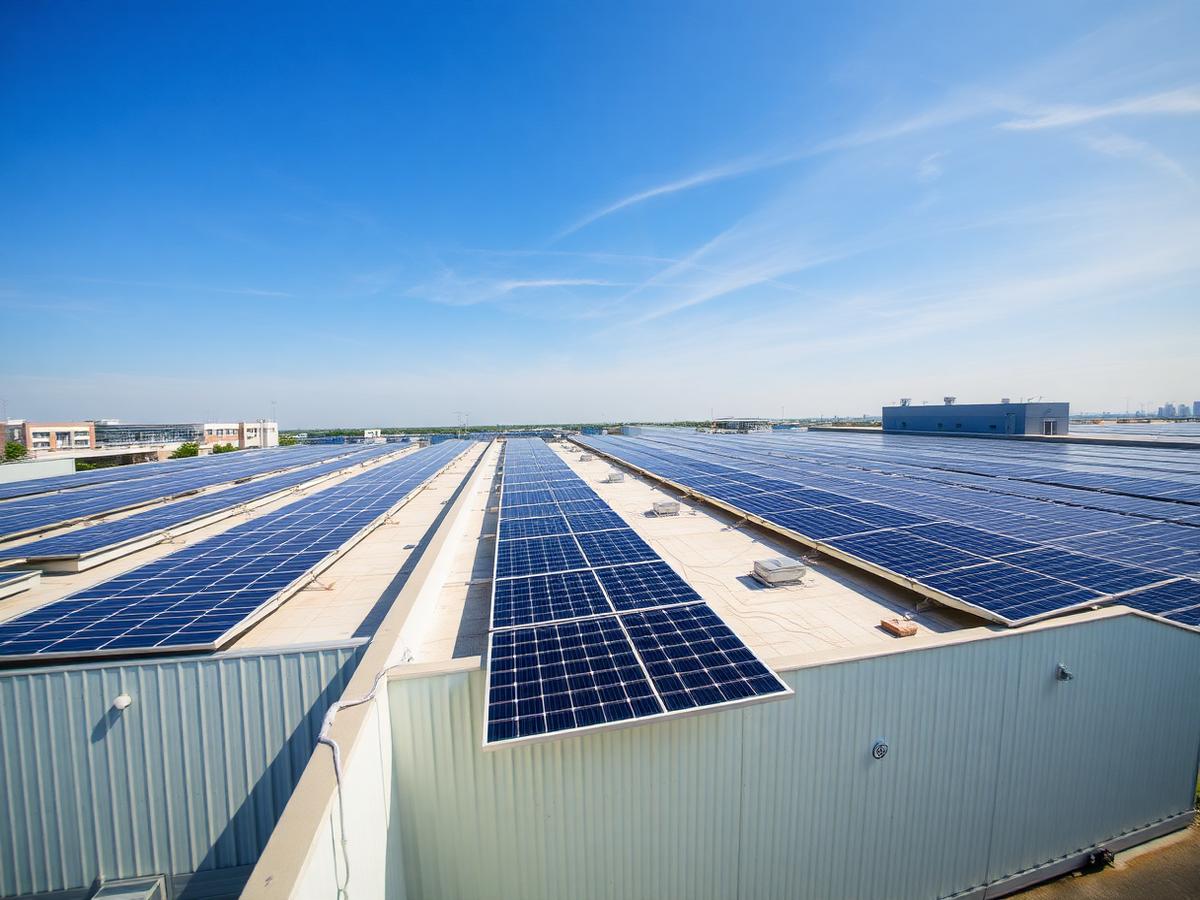
What Does the Solar Panel Installation Process Involve?
The solar panel installation process step by step in Victoria involves a site assessment, system design, council or network approvals, physical mounting of panels, electrical wiring, inverter setup, grid connection, and a final inspection. Most residential installations are completed within one to two days once approvals are in place. Understanding each stage helps you know exactly what to expect.
Step 1: Site Assessment and System Design
Every quality solar installation begins with a thorough site assessment. A qualified installer will visit your home to evaluate your roof’s orientation, pitch, shading from trees or neighbouring structures, and structural integrity. In Victoria, north-facing roof sections typically deliver the best solar yield, though west-facing panels can also perform well given the state’s afternoon sun patterns.
Based on your energy bills and household consumption, your installer will design a system sized to your needs. This includes selecting the right number of solar panels, choosing a suitable inverter — string, microinverter, or hybrid — and determining whether a battery storage system makes sense for your situation.
Step 2: Approvals, Permits, and Grid Applications
Before any work begins on your roof, several approvals must be secured. In Victoria, your installer is required to submit a Network Application to your electricity distributor — such as Powercor, AusNet, or United Energy — before connecting any system to the grid. This process is governed by the National Electricity Rules and the AS/NZS 4777 standard for grid-connected inverter energy systems.
Your installer should also confirm whether your local council requires a building permit, particularly for larger commercial systems or heritage-listed properties. For most standard residential rooftop systems, a building permit is not required, but it’s always worth verifying. Rushing this stage is one of the most common mistakes homeowners make, so patience here pays off.
Step 3: Switchboard Assessment and Electrical Preparation
A solar installation places new demands on your home’s electrical infrastructure. Before panels go up, a licensed electrician will inspect your switchboard to confirm it can safely handle the additional load and the bi-directional flow of electricity. Older switchboards with ceramic fuses or inadequate circuit protection may need upgrading before installation can proceed.
If your switchboard needs attention, addressing it now is far more cost-effective than retrofitting later. You can learn more about switchboard repairs and upgrades to understand what might be involved at this stage.
Step 4: Mounting the Solar Panels
With approvals confirmed and your electrical setup ready, the physical installation begins. Installers will fix a racking or mounting system to your roof using brackets appropriate for your roof type — whether that’s terracotta tiles, Colorbond sheeting, or corrugated iron, all common across Victorian homes. Flashing and waterproof seals are applied around every penetration point to prevent leaks.
The solar panels are then secured to the racking system. Installers will check that panel alignment is consistent and that the array is positioned to maximise sun exposure throughout the day. Safety is paramount at this stage — all roof work must comply with the Safe Work Australia guidelines for working at heights.
Step 5: Wiring, Inverter Installation, and DC Isolators
Once the panels are mounted, DC cabling is run from the array down to the inverter location, typically installed on an external wall near your switchboard. All DC isolators — required under Australian standards — are fitted at both the rooftop and inverter ends of the system.
The inverter converts the direct current (DC) generated by your panels into alternating current (AC) that your home can use. Your installer will also fit an AC isolator between the inverter and the switchboard. All wiring must comply with AS/NZS 3000:2018 (the Australian Wiring Rules) and be completed by a licensed electrician holding a Grid-Connect Accreditation from the Clean Energy Council.
Step 6: Meter Upgrade and Grid Connection
To export surplus solar energy back to the grid and receive a feed-in tariff, your existing electricity meter must be upgraded to a bidirectional smart meter. Your electricity retailer or distributor arranges this upgrade, and it typically occurs within a few weeks of your network application being approved.
Until the new meter is installed, your system may be commissioned for self-consumption only. Once the smart meter is in place, you can begin exporting energy and earning credits on your bill. Residents across regional Victoria — from the Bellarine Peninsula to the outer suburbs — are increasingly making this switch to reduce power costs.
Step 7: Final Inspection, Commissioning, and Handover
The final stage of the solar panel installation process step by step is commissioning and inspection. Your installer will power up the system, verify that output readings are within expected parameters, and check all safety systems are functioning correctly. In Victoria, the installer must provide you with a Certificate of Electrical Safety issued by Energy Safe Victoria.
You’ll receive a system handover that includes panel and inverter warranties, monitoring app setup instructions, and guidance on how to read your new smart meter. Keep all documentation — you’ll need it for warranty claims and if you ever sell your home.
When to Call a Professional
Solar installation in Victoria is not a DIY project. Under Victorian law, all grid-connected solar systems must be designed and installed by a Clean Energy Council-accredited installer. Attempting any part of the electrical work yourself is illegal, dangerous, and will void your warranties and eligibility for government rebates under the Victorian Solar Homes Program.
If you’re based in the Geelong region or surrounds, the team at SmartPower Electrical are Clean Energy Council-accredited and experienced in residential and commercial solar installations across Victoria. Whether you’re in Lara, the Bellarine Peninsula, or anywhere in between, SmartPower Electrical can manage every step of the process — from initial assessment through to grid connection and beyond. Contact the team today for an obligation-free quote.
Conclusion
The solar panel installation process step by step in Victoria covers seven key stages: site assessment, approvals, switchboard preparation, panel mounting, wiring and inverter installation, meter upgrade, and final commissioning. Each step must be completed in sequence by licensed, accredited professionals to ensure safety, compliance, and maximum system performance.
Going solar is one of the smartest investments a Victorian homeowner can make in 2026 — both for your hip pocket and for the environment. Take the time to understand the process, ask questions, and work with a trusted local installer to get the best outcome for your home.
Frequently Asked Questions
How long does the solar panel installation process take in Victoria?
The physical installation typically takes one to two days for a standard residential system. However, the full process — including network approvals and meter upgrades — can take anywhere from two to six weeks depending on your electricity distributor’s processing times.
Do I need council approval to install solar panels in Victoria?
In most cases, residential rooftop solar systems in Victoria do not require a building permit. However, exceptions apply for heritage-listed properties, larger commercial systems, or installations that significantly alter the roofline. Your installer should confirm requirements for your specific property before work begins.
What rebates are available for solar installation in Victoria in 2026?
Victorian homeowners may be eligible for support under the Victorian Solar Homes Program, which offers rebates and interest-free loans for eligible households. Federal Small-scale Technology Certificates (STCs) also reduce the upfront cost of eligible systems. Speak with your installer about what you qualify for based on your system size and household income.
Can I add a battery to my solar system later?
Yes, most modern inverters are battery-ready, meaning a storage battery can be added after your initial solar installation. If you’re considering future battery storage, it’s worth discussing this with your installer at the design stage so your system is configured to accommodate it without costly modifications down the track.