
The Short Answer for Victorian Households
Are solar battery storage worth it for Victorian homeowners in 2026? For most households with an existing solar system and moderate-to-high energy usage, yes — battery storage can meaningfully reduce your electricity bills and protect you from grid outages. However, the right answer depends on your energy habits, tariff structure, and upfront budget.
Why More Victorians Are Considering Battery Storage
Victoria’s energy landscape has shifted dramatically in recent years. Feed-in tariffs — the rate your retailer pays you for exporting surplus solar energy back to the grid — have dropped significantly. Many Victorian households are now receiving as little as 3–5 cents per kilowatt-hour for their exported power, while paying 30–40 cents per kilowatt-hour to import electricity at night.
That gap is precisely why battery storage has become so attractive. Instead of selling your solar generation cheaply and buying expensive grid power after dark, a battery lets you store what your panels produce and use it when you actually need it.
Understanding How Solar Battery Storage Works
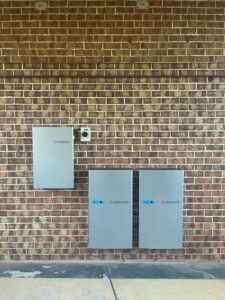
A home battery system connects to your existing solar panels and stores excess energy generated during the day. When the sun goes down — or during cloudy periods — your home draws from the battery rather than the grid. Most modern systems, like the popular Tesla Powerwall or BYD Battery-Box, are managed through a smart app and can be programmed around your household’s energy consumption patterns.
Some systems also support Virtual Power Plant (VPP) participation, where your battery is pooled with others to support the grid during peak demand. In Victoria, several retailers offer bill credits or incentives for VPP enrolment, which can improve your overall return on investment.
Real Costs and Potential Savings in 2026
Battery storage isn’t cheap upfront. In 2026, a quality residential battery system in Victoria typically costs between $8,000 and $15,000 installed, depending on capacity (measured in kilowatt-hours) and the brand. A 10 kWh battery is generally sufficient for an average Australian household.
That said, the Victorian Government’s Solar Homes Program continues to offer interest-free loans for eligible households looking to add battery storage to an existing solar system. This can make the upfront cost far more manageable. It’s worth checking the Solar Victoria website for the latest eligibility criteria and rebate availability in your area.
In practical terms, many Victorian households report saving an additional $800 to $1,500 per year after adding battery storage to their solar system. At that rate, a payback period of 7–10 years is realistic — and battery technology continues to improve, with warranties typically covering 10 years of operation.
Are Solar Battery Storage Worth It for Your Specific Situation?
Not every home will benefit equally. Here are the key factors to consider before investing:
- Your current solar system size: If your panels regularly produce more than you consume during the day, you’re a strong candidate for storage.
- Your energy usage patterns: Households that use most of their electricity in the evenings (think cooking, heating, entertainment) will see the greatest benefit.
- Your electricity tariff: Time-of-use tariffs, common in Victoria, make batteries more valuable because the price difference between peak and off-peak periods is significant.
- Blackout resilience: If your area experiences frequent outages — something residents in regional Victoria know well — battery backup capability adds genuine peace of mind.
- Your long-term plans: If you’re planning to stay in your home for 10+ years, the investment makes far more sense than if you’re likely to sell in the near term.
What Victorian Homeowners Often Overlook
One thing many people don’t realise is that adding a battery to your home may require an upgrade to your switchboard. Older switchboards — particularly those with ceramic fuses rather than modern circuit breakers — may not safely support a battery system. If you’re in an older Victorian home, it’s worth getting your switchboard assessed before committing to a battery purchase. You can learn more about switchboard repairs and upgrades to understand what might be involved.
It’s also important to ensure your battery is installed by a Clean Energy Council (CEC) accredited installer. This is a requirement under Australian Standards AS/NZS 4777 for grid-connected battery systems, and it’s essential for any government rebates or incentives to apply.
DIY vs Professional Installation
There is genuinely no DIY option here — battery storage systems must be installed by a licensed electrician with CEC accreditation. This isn’t just a legal requirement; it’s a safety imperative. Lithium-ion batteries store significant amounts of energy, and incorrect installation can create serious fire or electrocution hazards.
What you can do yourself is research your options, compare battery capacities, read reviews, and request multiple quotes. Being an informed buyer will help you get better value and avoid being oversold on capacity you don’t need.
When to Call a Professional
If you’re seriously considering battery storage, the best next step is a professional energy assessment. A qualified electrician can review your current solar system’s performance data, assess your switchboard, and recommend the right battery capacity for your actual usage — not just a generic one-size-fits-all solution.
The team at SmartPower Electrical works with Victorian homeowners across the region, from the Bellarine Peninsula to Geelong’s suburbs. Whether you’re in Lara or further afield, getting a tailored assessment is the smartest way to decide if battery storage is the right investment for your home.
Conclusion
So, are solar battery storage worth it for Victorian households in 2026? For the right home — one with an existing solar system, evening-heavy energy use, and a long-term ownership horizon — the answer is a confident yes. The combination of falling feed-in tariffs, rising grid electricity costs, and available government incentives makes the case stronger than ever.
The key is making an informed decision based on your specific circumstances rather than industry hype. Get a professional assessment, understand your payback period, and choose a CEC-accredited installer. Reach out to SmartPower Electrical to start the conversation and find out exactly what battery storage could mean for your household’s energy future.
Frequently Asked Questions
How long does a home battery system last in Victoria?
Most quality residential battery systems come with a 10-year warranty and are designed to retain at least 70–80% of their original capacity over that period. With proper installation and maintenance, many systems will continue to perform usefully beyond the warranty period.
Can I add battery storage to my existing solar system?
In most cases, yes. A licensed electrician will need to assess your existing inverter and switchboard to confirm compatibility. Some older inverters may need to be replaced with a hybrid inverter to support battery integration, which adds to the overall cost.
Does the Victorian Government offer rebates for battery storage?
The Solar Homes Program offers interest-free loans for eligible Victorian households adding battery storage to an existing solar system. Eligibility criteria apply, including income thresholds and property value limits. Check the Solar Victoria website for the most current information.
Will a battery keep my power on during a blackout?
Not automatically — it depends on the system. Some batteries offer islanding or backup mode functionality, which allows them to disconnect from the grid and power your home independently during an outage. Make sure you specifically request this feature when comparing systems, as not all batteries include it as standard.